When you choose roofing material for your home, you’re making a decision that will affect your property for 20 to 50 years or more. The right choice balances upfront cost, long-term durability, energy efficiency, and visual appeal. Every roofing material performs differently under Texas heat, wind, and hail, so understanding your climate and budget before you commit will save you thousands of dollars and years of headaches.
Why Your Roofing Material Decision Matters More Than You Think
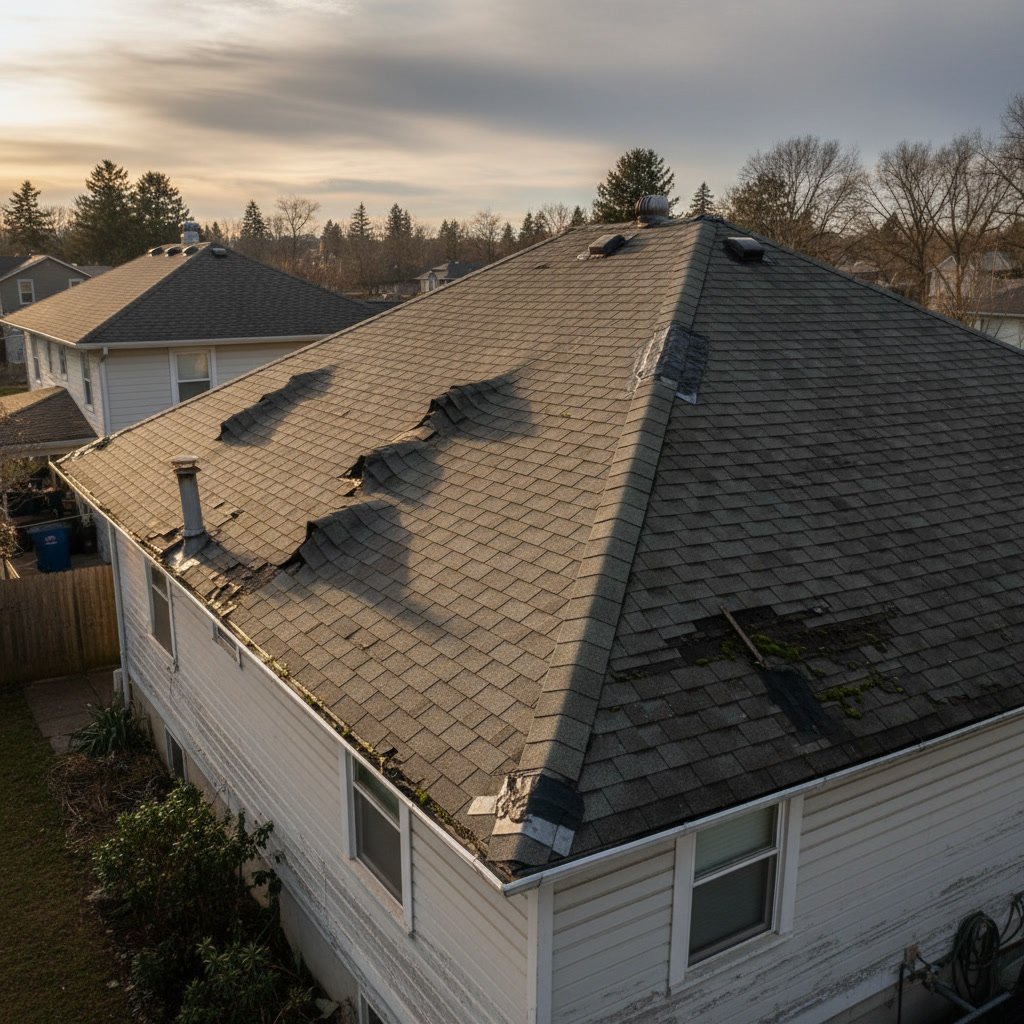
A roof does more than keep rain out. It regulates indoor temperature, protects your home’s structure, influences resale value, and shapes your home’s appearance from the street. A poorly chosen material can lead to premature failure, costly repairs, and higher energy bills. The average homeowner replaces a roof only once or twice in a lifetime, so this decision carries weight.
In Central Texas, extreme heat, sudden hailstorms, and high UV exposure accelerate wear on certain materials. A product that thrives in the Pacific Northwest might fail within a decade here. Knowing which materials resist local weather conditions helps you avoid the cycle of constant repair.
Understanding the Climate Demands Around New Braunfels
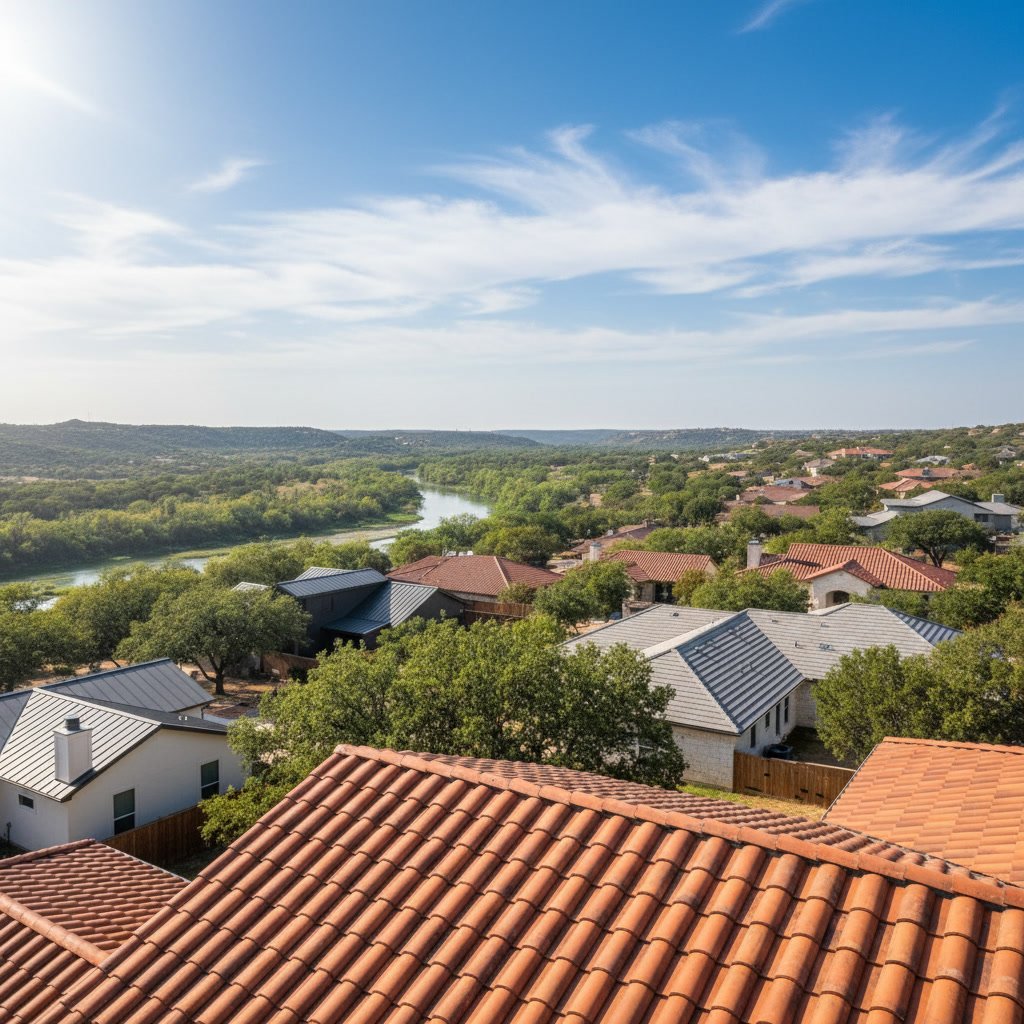
Homes in and around New Braunfels face intense summer sun, occasional hail, and temperature swings that expand and contract roofing materials daily. Asphalt shingles can crack and curl under sustained heat. Clay and concrete tile hold up well but add significant weight. Metal roofing reflects heat and resists impact, making it a top performer in this region.
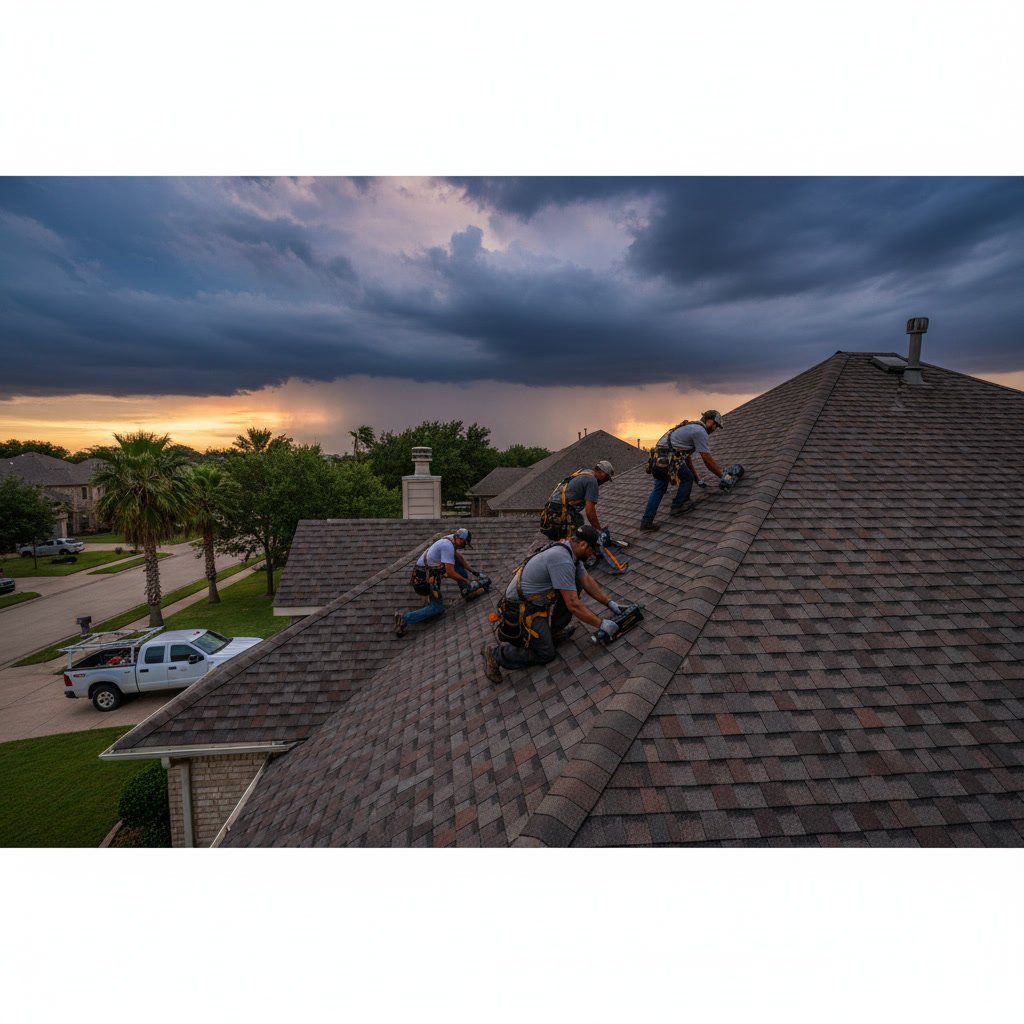
Wind is another factor. Severe storms can lift poorly fastened shingles or tiles. Metal panels with concealed fasteners resist uplift better than exposed-nail systems. If your neighborhood has experienced storm damage recovery work in recent years, that’s a sign you need material rated for high wind zones.
Asphalt Shingles: Affordable but Shorter Lifespan
Asphalt shingles dominate the residential market because they cost less upfront and come in dozens of colors. Standard three-tab shingles last 15 to 20 years in Texas, while architectural (dimensional) shingles can reach 25 years with proper ventilation and maintenance. They’re easy to install and repair, which keeps labor costs low.
The downside is heat absorption. Dark asphalt roofs can reach 160 degrees in summer, pushing your air conditioner harder. Granule loss accelerates under UV exposure, leading to bare spots that leak. If budget is your primary concern and you plan to sell within 10 to 15 years, asphalt may work. For longer timelines, consider materials that last twice as long. You can read more about selecting the right asphalt options in our guide on choosing roof shingles for San Antonio homes.
Metal Roofing: Durability Meets Energy Efficiency
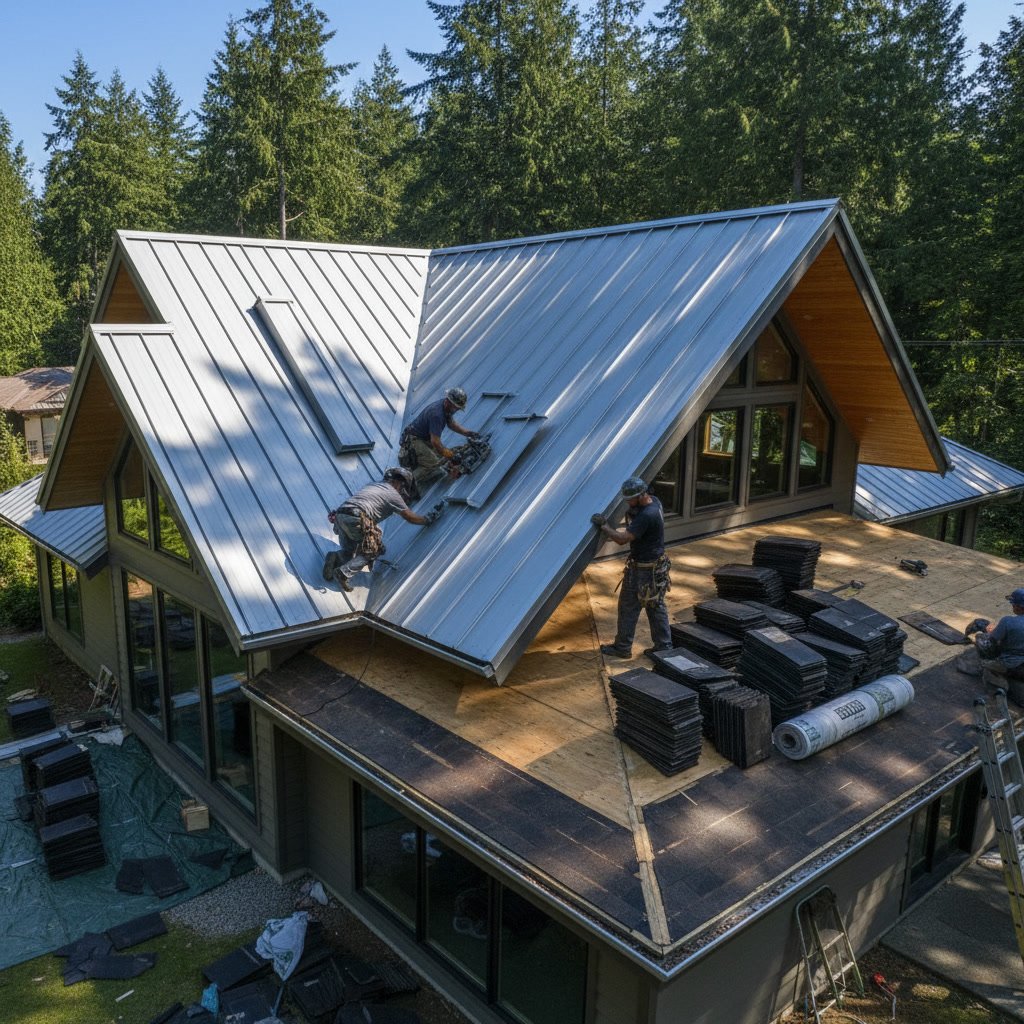
Standing seam metal roofs last 40 to 70 years and reflect up to 70 percent of solar radiation, reducing cooling costs by 10 to 25 percent. They resist hail, fire, and wind speeds over 140 mph. Metal doesn’t crack, warp, or support mold growth, and most systems use recycled content.
Installation requires specialized skills. Panels must interlock correctly and fasteners must allow for thermal expansion, or you’ll hear popping sounds as metal heats and cools. Hiring a contractor experienced in metal roofing ensures proper flashing, trim, and penetration seals. Upfront costs run two to three times higher than asphalt, but the payback period shortens when you factor in longevity and energy savings.
Tile Roofing: Heavy, Expensive, and Long-Lasting
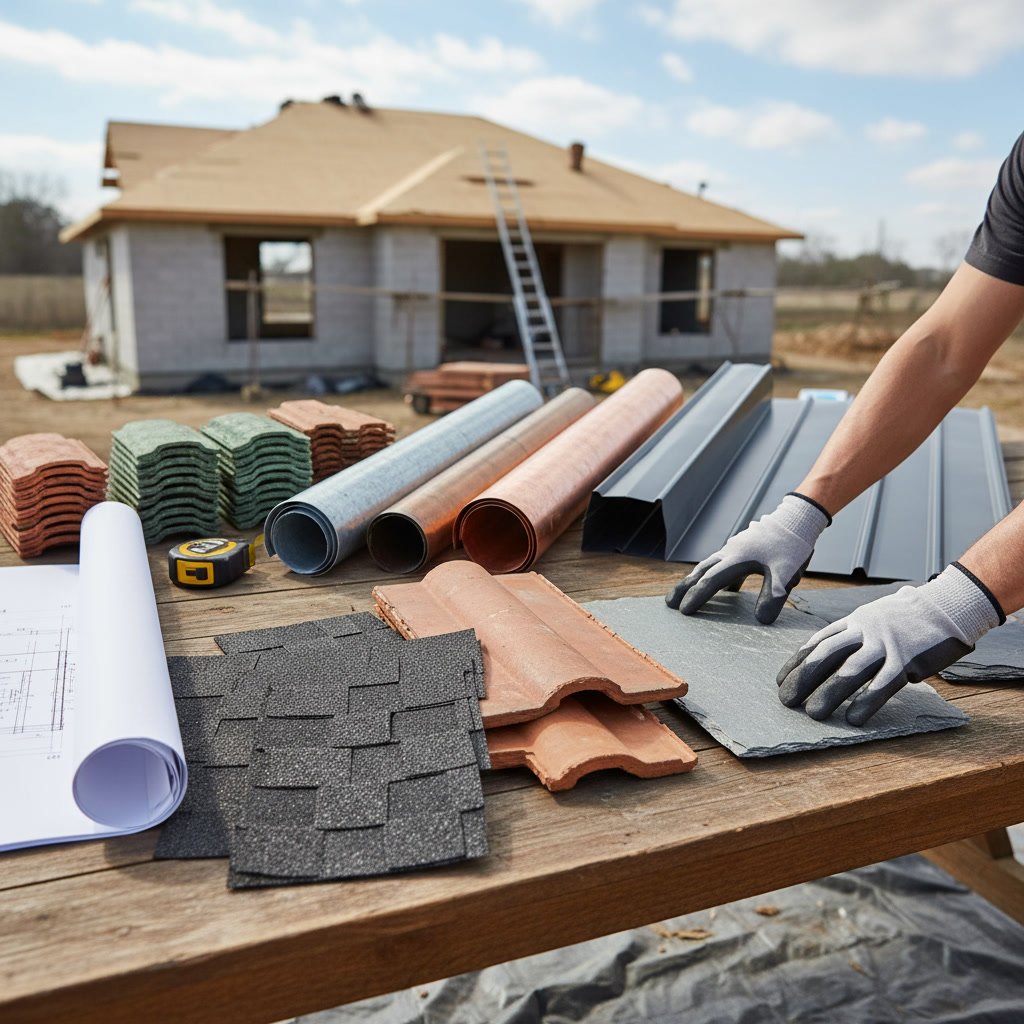
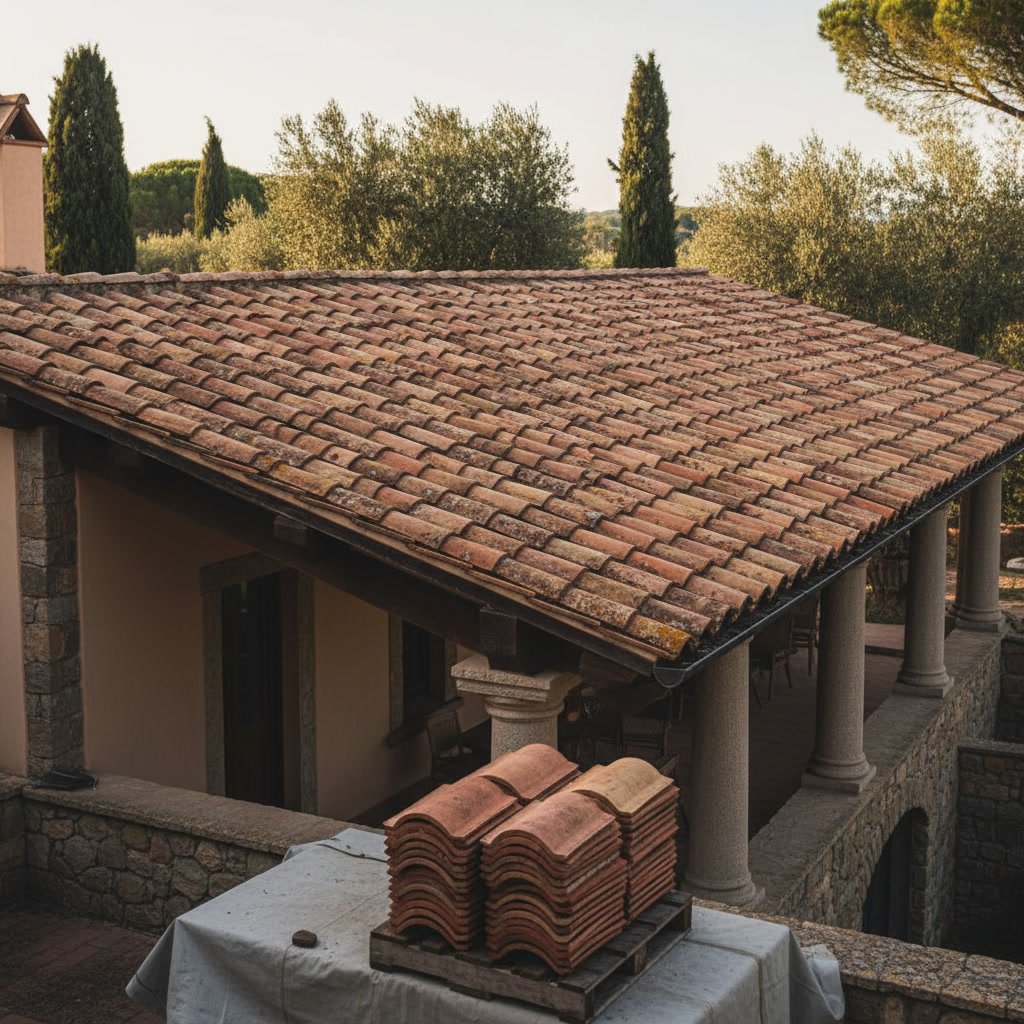
Clay and concrete tiles deliver 50-plus years of service and suit Mediterranean, Spanish, and Southwestern architectural styles. Tiles don’t burn, rot, or fade significantly. They create natural ventilation channels that reduce attic heat, which pairs well with quality attic insulation.
Weight is the challenge. Tiles add 800 to 1,200 pounds per square (100 square feet), so your roof framing must be engineered to support them. Retrofitting an existing structure may require additional trusses or reinforcement. Individual tiles crack under impact, but replacement is straightforward. Tile works best on homes built with it in mind, not as an afterthought upgrade.
Wood Shakes and Shingles: Aesthetic Appeal with High Maintenance
Cedar shakes offer natural beauty and insulation value, but they demand regular treatment to prevent rot, mold, and insect damage. Fire risk is high unless treated with retardant chemicals, and many insurance carriers charge higher premiums or refuse coverage altogether in wildfire-prone zones.
In humid Central Texas summers, untreated wood can develop algae and moss within a few years. Expect to replace wood roofing every 20 to 30 years, with ongoing maintenance costs. If you love the look, consider synthetic wood-look products that mimic grain and color without the upkeep.
Synthetic and Composite Materials: Engineered Performance
Rubber, polymer, and composite shingles replicate the appearance of slate, wood, or tile at lower weight and cost. They resist impact, UV, and moisture better than the materials they imitate. Warranties often run 30 to 50 years, and installation methods resemble standard shingle techniques.
Quality varies widely by manufacturer. Some products fade or become brittle after a decade. Request samples that have been field-tested in hot climates, and verify the manufacturer offers a transferable warranty. Synthetic options work well if you want a specific aesthetic without the structural requirements or expense of the real thing.
Comparing Costs, Lifespan, and Return on Investment
Asphalt shingles cost roughly four to seven dollars per square foot installed. Metal roofing runs eight to 14 dollars. Tile systems range from 10 to 18 dollars. Wood shakes fall between seven and 12 dollars. Synthetic products sit in the six to 12 dollar range, depending on complexity.
Divide total installed cost by expected lifespan to find annual cost. A 3,000-square-foot asphalt roof at six dollars per square foot costs about 18,000 dollars and lasts 20 years, or 900 dollars per year. A metal roof at 12 dollars costs 36,000 dollars but lasts 50 years, or 720 dollars per year. Over time, premium materials often deliver better value.
Resale impact varies by neighborhood. If every home on your street has asphalt shingles, installing a metal roof may not return full investment at sale. In areas with mixed roofing types, upgraded materials boost curb appeal and justify higher asking prices. Consult a local appraiser or real estate agent before committing to high-end options solely for resale.
Matching Material to Architectural Style
Colonial and traditional homes pair well with asphalt or wood shingles. Ranch and craftsman styles suit both shingles and metal. Spanish and Mediterranean designs call for tile or metal that mimics tile profiles. Modern and industrial homes benefit from standing seam metal in clean lines.
Color and texture matter as much as material. Darker roofs absorb heat, lighter roofs reflect it. Reflective coatings can improve performance on any substrate. If your homeowner association has design guidelines, confirm your choice meets those rules before ordering materials. Changing approved colors or styles mid-project leads to delays and added expense.
Evaluating Warranties, Maintenance, and Hidden Costs
Manufacturer warranties cover defects, not installation errors or weather damage. Workmanship warranties from your contractor protect against leaks caused by improper flashing or fastening. Read both documents carefully and understand what triggers coverage.
Maintenance requirements vary. Metal roofs need occasional inspections for loose fasteners and sealant checks around penetrations. Asphalt shingles benefit from annual debris removal and algae treatment. Tile roofs require broken-tile replacement and valley cleaning. Budget for routine upkeep to preserve warranty validity and extend lifespan.
Hidden costs include structural reinforcement for heavy materials, upgraded underlayment for premium systems, and disposal fees for old roofing. Specialized roof services like custom flashing, skylight maintenance, and ventilation upgrades add to the bottom line. Request itemized estimates that break out every component so you can compare bids accurately.
Making the Final Decision with Confidence
Start by defining your priorities: lowest upfront cost, longest lifespan, best energy savings, or specific visual style. Eliminate materials that don’t meet your climate needs or budget ceiling. Request samples, visit completed projects, and talk to neighbors who installed the same product five or 10 years ago.
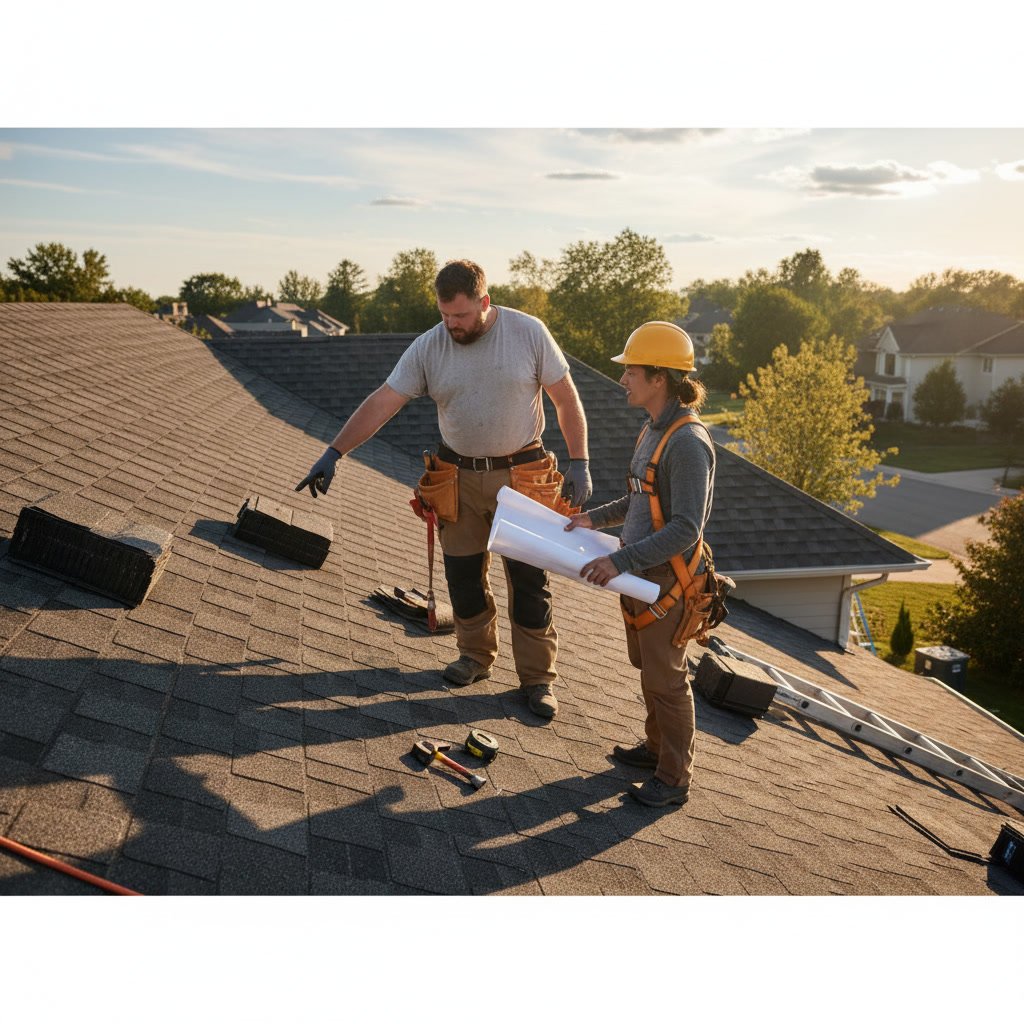
Get three written estimates from licensed contractors. Verify each bid includes the same material grade, underlayment quality, and warranty terms. The lowest price often reflects shortcuts in labor or materials. Sky Metal Roofing LLC has served homeowners across Central Texas with transparent pricing and expert installation for years, ensuring every project meets manufacturer standards and local code.
Consider long-term ownership plans. If you’ll stay in the home for decades, invest in durability and efficiency. If you’re planning to move within five years, focus on curb appeal and mainstream materials that appeal to the broadest buyer pool. Either path benefits from professional guidance tailored to your roof’s pitch, square footage, and exposure.
Choosing roofing material doesn’t have to be overwhelming when you understand how climate, cost, and style intersect. Match your material to local weather, your home’s architecture, and your financial timeline. Invest in quality installation to protect that investment for the long haul.
Sky Metal Roofing LLC brings licensed expertise in residential and commercial roofing across San Antonio and the surrounding communities. Whether you need help comparing options, reviewing estimates, or scheduling an installation, our team is ready to guide you through every step. Reach out at +12104120026 to discuss your project and receive a detailed proposal tailored to your home.