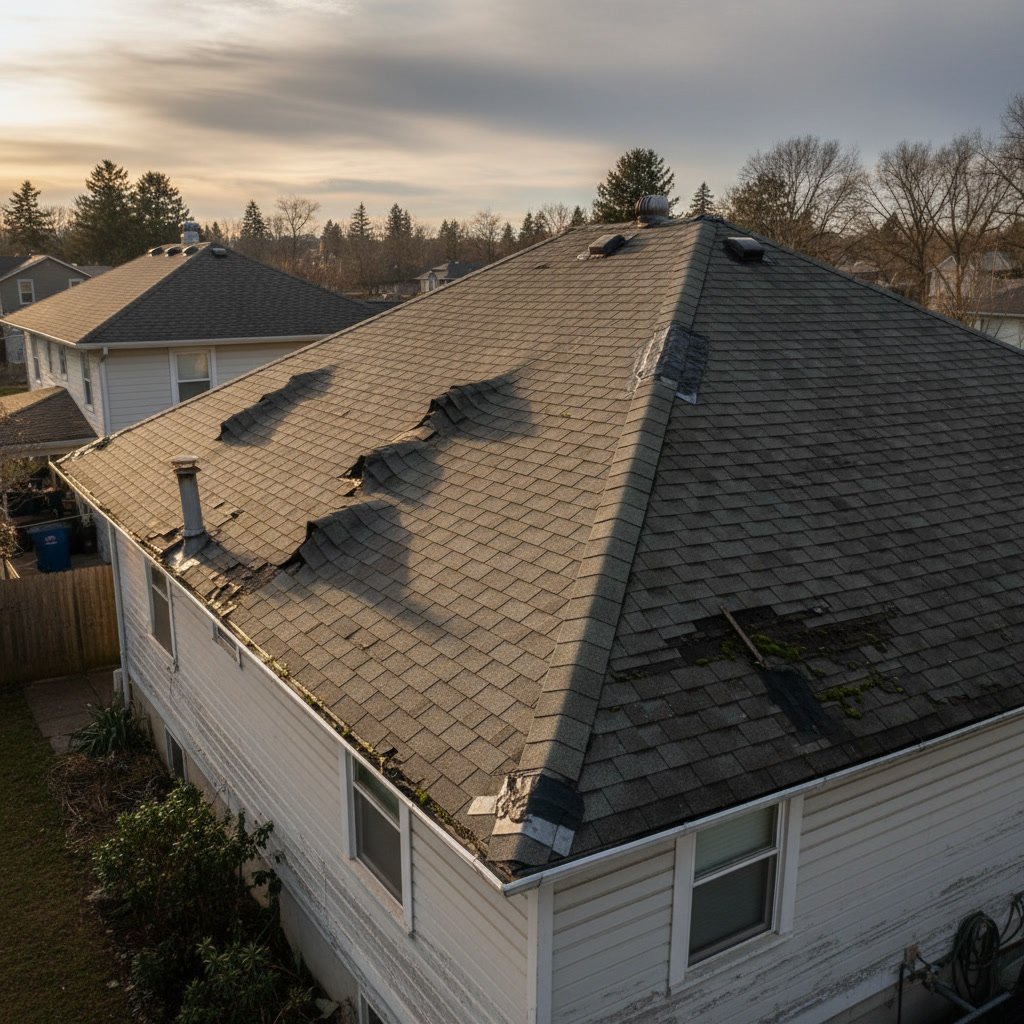
A properly installed roof should last 20 to 50 years depending on materials, but poor installation cuts that lifespan by more than half and voids most manufacturer warranties. Bad workmanship triggers immediate leaks, rapid material degradation, and structural problems that cost far more to fix than the original installation. Recognizing poor roof installation signs early protects your home and saves thousands in preventable repairs, which is why understanding what separates quality work from corner-cutting matters for every homeowner.
Why Installation Quality Determines Roof Lifespan
The materials you choose matter less than how they’re installed. A premium metal roof installed incorrectly fails faster than budget shingles installed properly. Installation errors create weak points where water infiltrates, wind lifts panels, and thermal expansion cracks seams. These weak points multiply over time, turning small mistakes into catastrophic failures that require full replacement years before the roof’s expected service life.
Most manufacturer warranties explicitly exclude coverage for installation defects, leaving homeowners financially responsible for premature failure. This explains why selecting an experienced contractor matters more than choosing the most expensive roofing material.
The Hidden Cost of Cutting Corners During Installation
Rushed or inexperienced crews skip critical steps that aren’t visible from the ground. They use too few fasteners, ignore manufacturer specifications for overlap and spacing, and fail to properly seal penetrations. These shortcuts save the contractor time and money but transfer risk directly to you. Within months, the consequences appear as interior water stains, sagging decking, and energy bills that climb as insulation becomes soaked and ineffective.
Repairing installation defects costs two to three times more than doing the job correctly the first time. You pay for tear-off, disposal, new materials, and labor again, plus any interior damage the leaks caused. Some structural repairs require permits and inspections that add weeks to the timeline.
Visible Warning Signs on Shingle Roofs
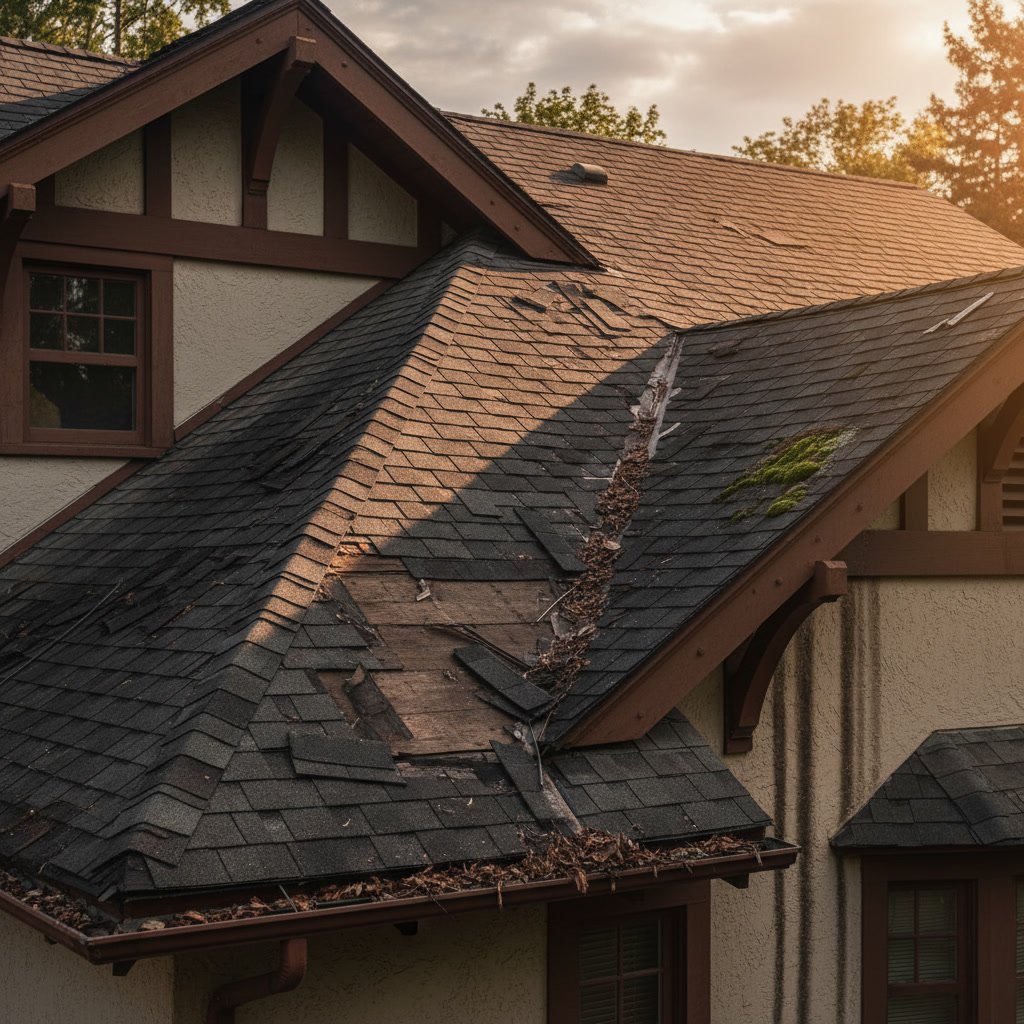
Walk across the street and look at your roof with fresh eyes. Shingles should form straight horizontal lines with uniform spacing and color. Wavy lines indicate the crew didn’t align courses properly or failed to remove old layers that created an uneven base. Missing granules in scattered patches suggest workers walked on hot shingles and crushed the protective layer, accelerating wear.
Check the edges and valleys closely. Shingles that overhang too far or stop too short allow wind and water underneath. Valleys without proper metal flashing or woven shingles create the single most common leak point on residential roofs. If you see exposed nail heads anywhere, the installer missed the nail line and compromised the shingle’s wind resistance.
Curling or buckling within the first year points to insufficient attic ventilation or failure to nail through both the new shingle and the starter strip. Quality roof shingles installed correctly remain flat and uniform for years.
Red Flags Specific to Metal Roofing Systems
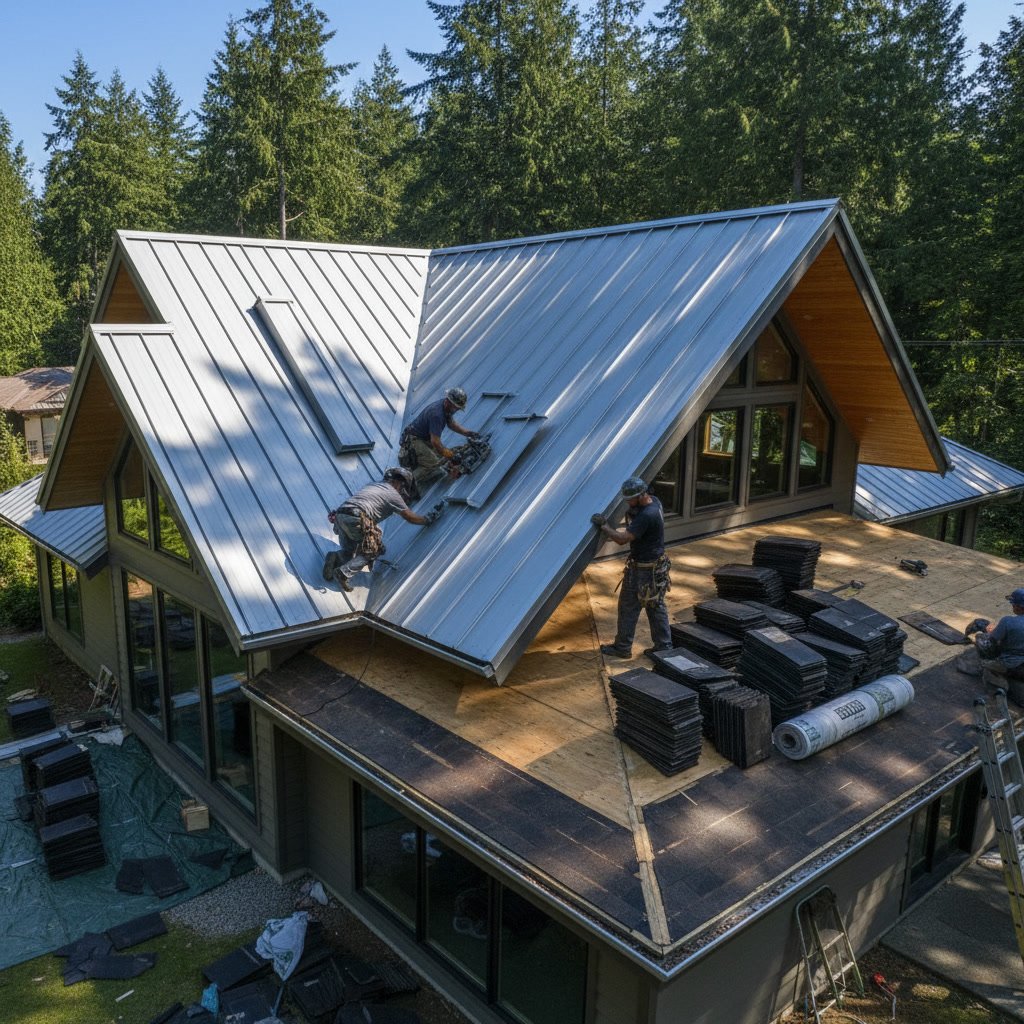
Metal roofs demand precision because panels expand and contract with temperature changes. Fasteners driven too tight restrict movement and create stress fractures. Fasteners driven at an angle pull out over time. Every fastener should sit perpendicular to the panel with the washer compressed just enough to seal without deforming the metal.
Panel overlaps must follow manufacturer specifications exactly, typically four to six inches depending on roof pitch. Insufficient overlap lets wind-driven rain underneath. Misaligned panels create gaps that grow wider as the metal moves. Sealant applied as a substitute for proper overlap fails within months when exposed to UV radiation and temperature extremes.
Standing seam systems require specialized tools to crimp seams uniformly. Hand-crimped or unevenly crimped seams separate during the first storm. If you see different crimp patterns or gaps in the seam, the installer lacked proper equipment or training. This alone explains why metal roofing requires contractors with specific experience rather than general roofers.
Flashing Failures That Guarantee Leaks
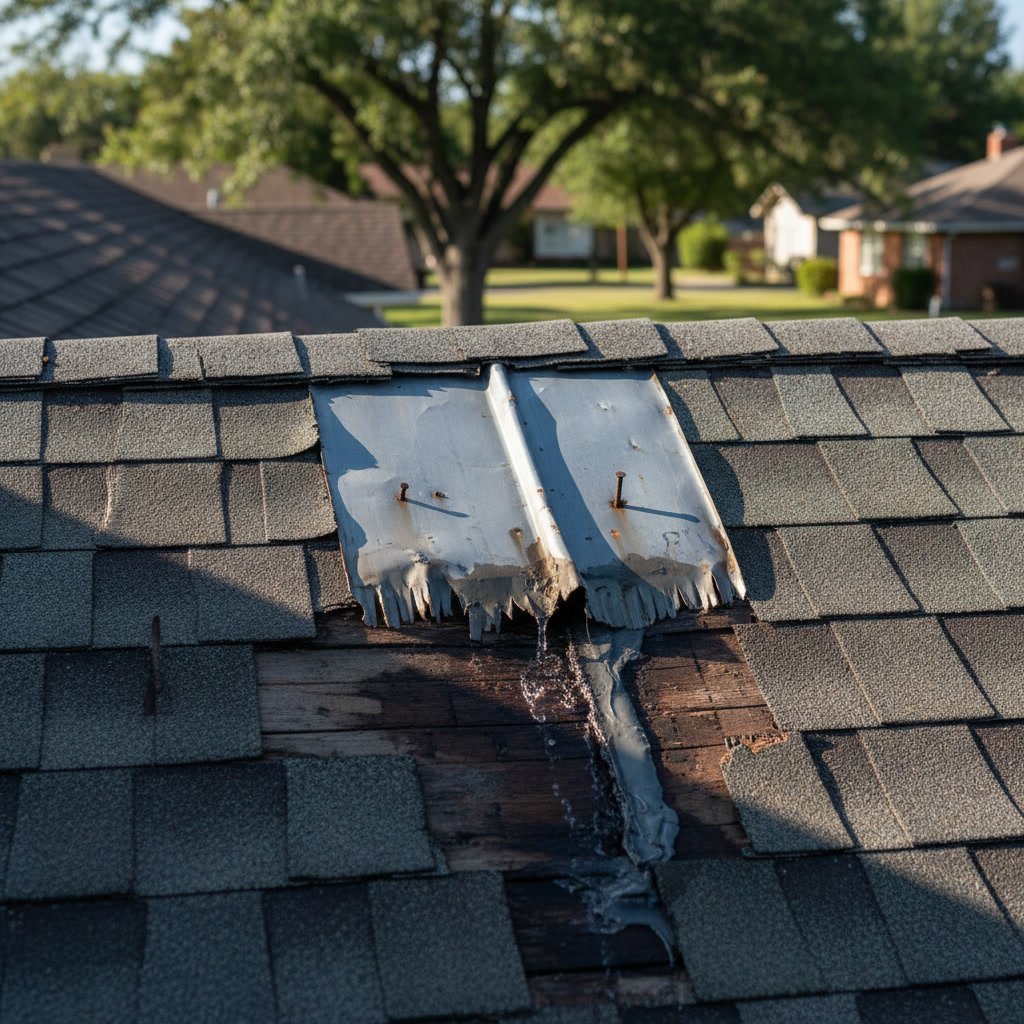
Flashing around chimneys, skylights, vents, and walls represents the most technical part of roof installation. Bad installers use roofing cement instead of properly integrated metal flashing. Cement cracks and separates within one to two years, creating direct water pathways into your home. Step flashing should weave under siding and over shingles in a specific sequence that most shortcuts ignore.
Drip edge missing or improperly installed allows water to wick back under the roof deck, rotting fascia boards and soffits. Counterflashing should cover base flashing by at least four inches and be secured into mortar joints, not surface-mounted with caulk. These details separate installations that last from those that fail prematurely, regardless of material quality.
Common Installation Mistakes in New Braunfels
Central Texas heat and sudden storms create specific installation challenges. Asphalt shingles installed during summer heat can seal too quickly if not properly aligned, making later adjustments impossible. Installers who don’t account for thermal expansion in metal roofing create systems that buckle during 100-degree afternoons and pull fasteners loose during cold snaps.
Inadequate underlayment represents another regional mistake. The minimum code-required felt paper doesn’t provide enough protection during the intense UV exposure and driving rain common here. Quality contractors use synthetic underlayment with higher tear strength and UV resistance, especially on lower-slope sections where water moves slowly.
Sky Metal Roofing LLC sees these regional installation errors daily when homeowners request inspections after problems develop. Understanding your climate helps identify contractors who know local conditions versus those applying generic techniques that fail in Texas weather.
How Improper Ventilation Destroys Roofs From Inside
Most homeowners never consider attic ventilation during roof installation, but inadequate airflow cuts roof life by 30 to 40 percent. Heat builds up in poorly ventilated attics, cooking shingles from underneath and reaching 150 degrees or higher. This heat degrades adhesives, warps decking, and makes asphalt shingles brittle years before their rated lifespan.
Proper ventilation requires balanced intake at soffits and exhaust at the ridge. Installers who cover soffit vents with insulation or fail to cut proper openings eliminate intake airflow. Ridge vents installed without cutting the decking underneath do nothing except look decorative. These mistakes trap moisture that condenses on roof decking during winter, creating mold and rot invisible until the damage becomes severe.
Addressing attic insulation and ventilation during roof installation prevents these problems before they start. The cost is minimal compared to replacing a roof that failed prematurely because installers ignored everything above the ceiling.
Warning Signs From the Interior
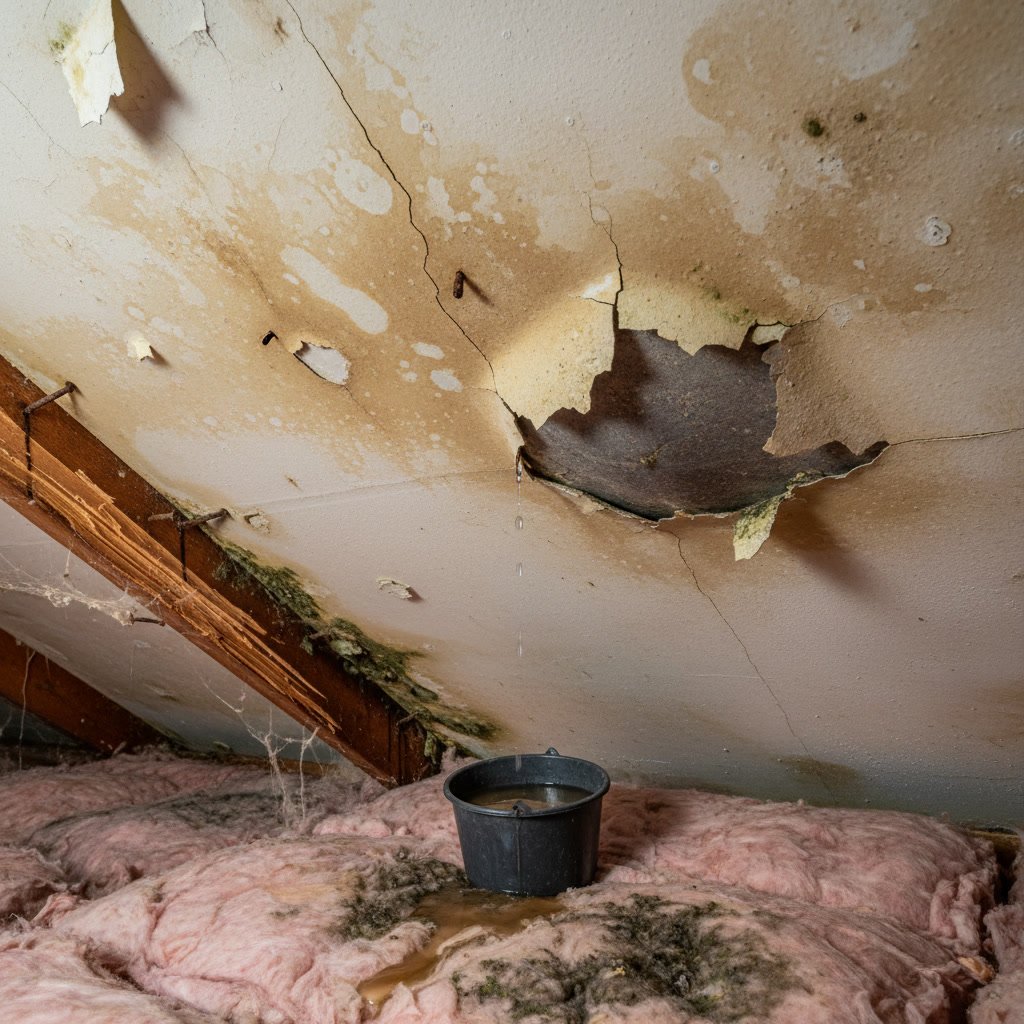
Not all poor roof installation signs appear on the exterior. Walk your attic during or immediately after rain. Visible water stains on decking or rafters indicate active leaks that will soon damage ceilings below. Dark spots or streaks show where moisture regularly accumulates even if you don’t see dripping.
Daylight visible through the roof deck means gaps in installation large enough to admit rain and pests. Sagging sections of decking indicate the installer didn’t replace damaged substrate before adding new roofing. New roofs should not change ceiling contours or create dips and waves visible from inside.
Unexplained increases in heating or cooling costs after roof installation suggest the crew damaged insulation or created air leaks. Professional installers protect existing insulation and ventilation systems rather than crushing or displacing them during work.
What Proper Installation Looks Like
Quality installations share consistent characteristics regardless of material. Every fastener hits solid decking. Underlayment laps properly with no gaps or wrinkles. Flashing integrates with adjacent materials rather than sitting on top sealed with caulk. Roof planes form clean, straight lines without bulges or depressions.
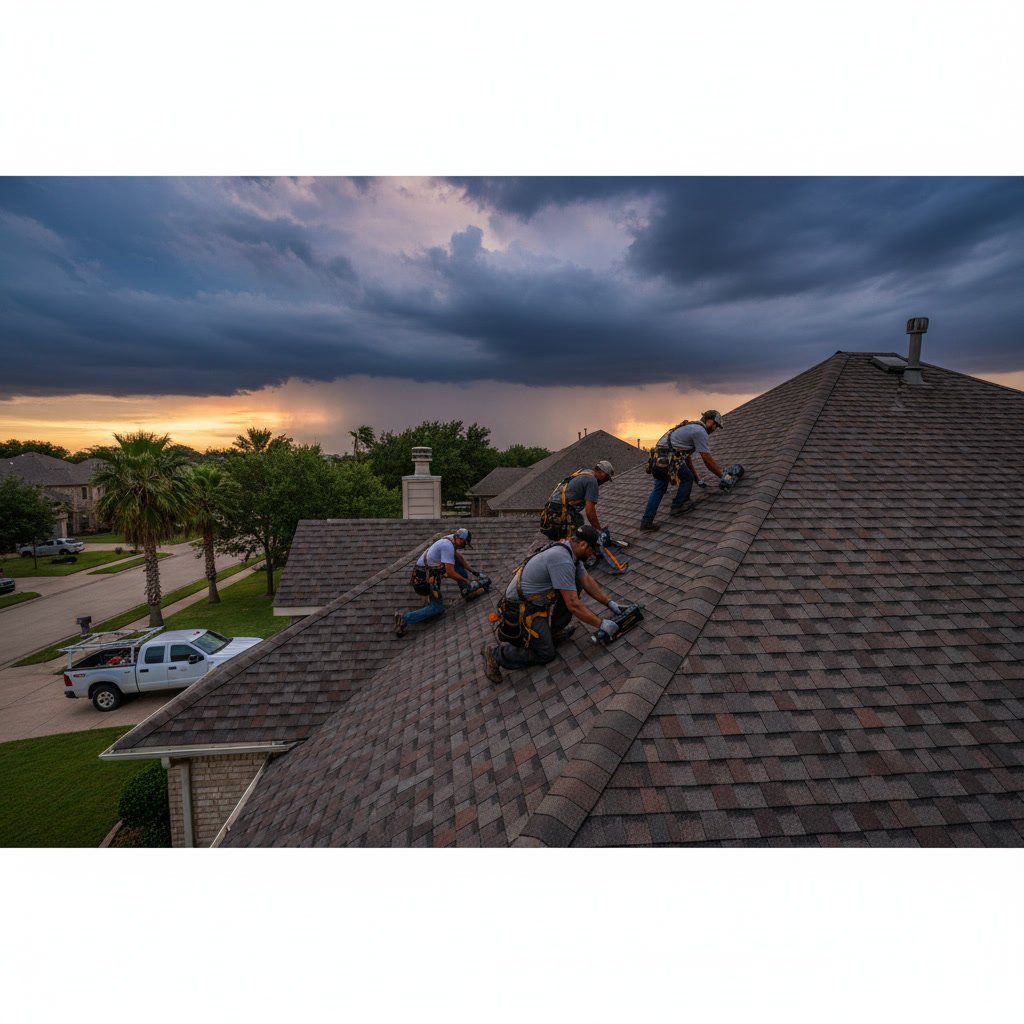
Professional crews protect your property with tarps and plywood pathways. They complete tear-off and weatherproofing in a single day rather than leaving the roof open overnight. They remove debris daily instead of letting it accumulate. The job site looks organized, and workers follow consistent installation patterns visible in the finished work.
Reputable contractors document their work with photos at critical stages. They provide written warranties covering both materials and labor, typically five years minimum for labor and matching manufacturer coverage for materials. This accountability separates contractors confident in their workmanship from those who disappear after collecting payment. Before signing any contract, understanding how long a professional roof installation takes helps you recognize rushed jobs.
Steps to Take When You Suspect Bad Installation
Document everything with dated photos and detailed notes. Contact the original contractor in writing, describing specific problems and requesting inspection and repair. Most legitimate businesses address installation defects quickly to protect their reputation. If the contractor is unresponsive or refuses responsibility, hire an independent inspector to assess the work and provide a written report.
Your state contractor licensing board offers recourse if the installer holds a valid license. File a complaint with documentation and inspection reports. For serious defects, consult an attorney specializing in construction defects before the statute of limitations expires, typically two to four years depending on your state.
Homeowner’s insurance may cover damage caused by installation defects even if it won’t pay to fix the roof itself. Review your policy and file claims for interior damage separately. Some policies offer limited coverage for storm damage recovery that includes faulty installation as a contributing factor.
Protecting Your Investment Before Installation Begins
Prevention beats correction every time. Research contractors thoroughly before signing contracts. Verify licensing, insurance, and physical business locations. Check references from jobs completed at least two years ago to confirm long-term performance. Walk away from significant deposits or pressure to sign immediately.
Request detailed written specifications that match manufacturer installation instructions. Compare proposed materials and methods against those instructions yourself. Ask who will actually perform the work and verify those crews have experience with your specific roofing system. Many problems start when general contractors subcontract to the lowest bidder rather than using trained crews.
Understanding what questions to ask helps identify experienced professionals. Knowing what to ask a roofer before signing a contract reveals which contractors understand quality installation versus those focused only on price.
Working With Contractors Who Stand Behind Their Work
Quality roof installation requires experience, proper equipment, manufacturer training, and attention to detail that shows in every aspect of the finished product. Recognizing poor installation signs protects your home from premature failure and the expensive repairs that follow. Whether you need roof replacement and installation or simply want to verify existing work meets professional standards, choosing contractors based on skill rather than price determines whether your roof lasts decades or fails within years.
Sky Metal Roofing LLC provides licensed, detailed installations backed by written warranties and manufacturer certifications throughout the San Antonio area. If you’ve noticed any warning signs discussed here or want an expert assessment before problems develop, call +12104120026 to schedule an inspection with experienced professionals who understand the difference between adequate work and installations built to last.