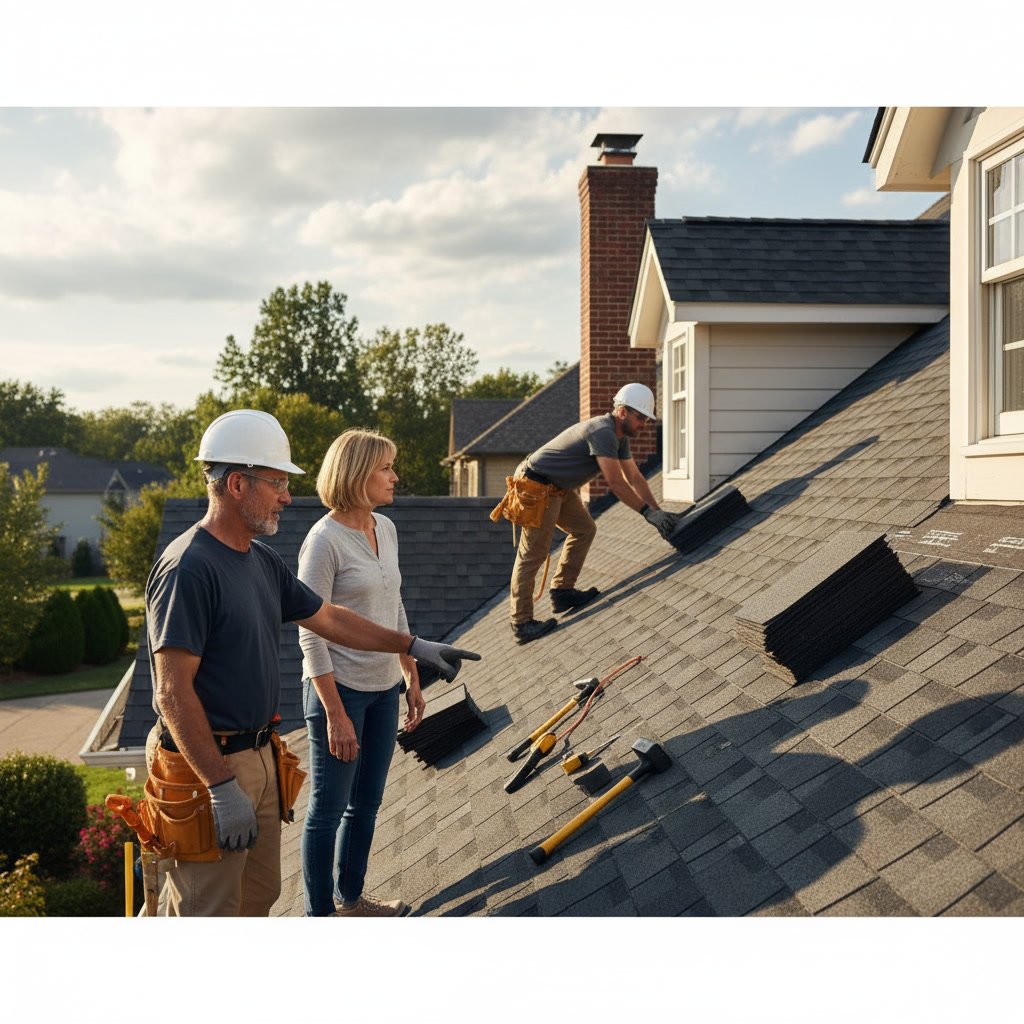
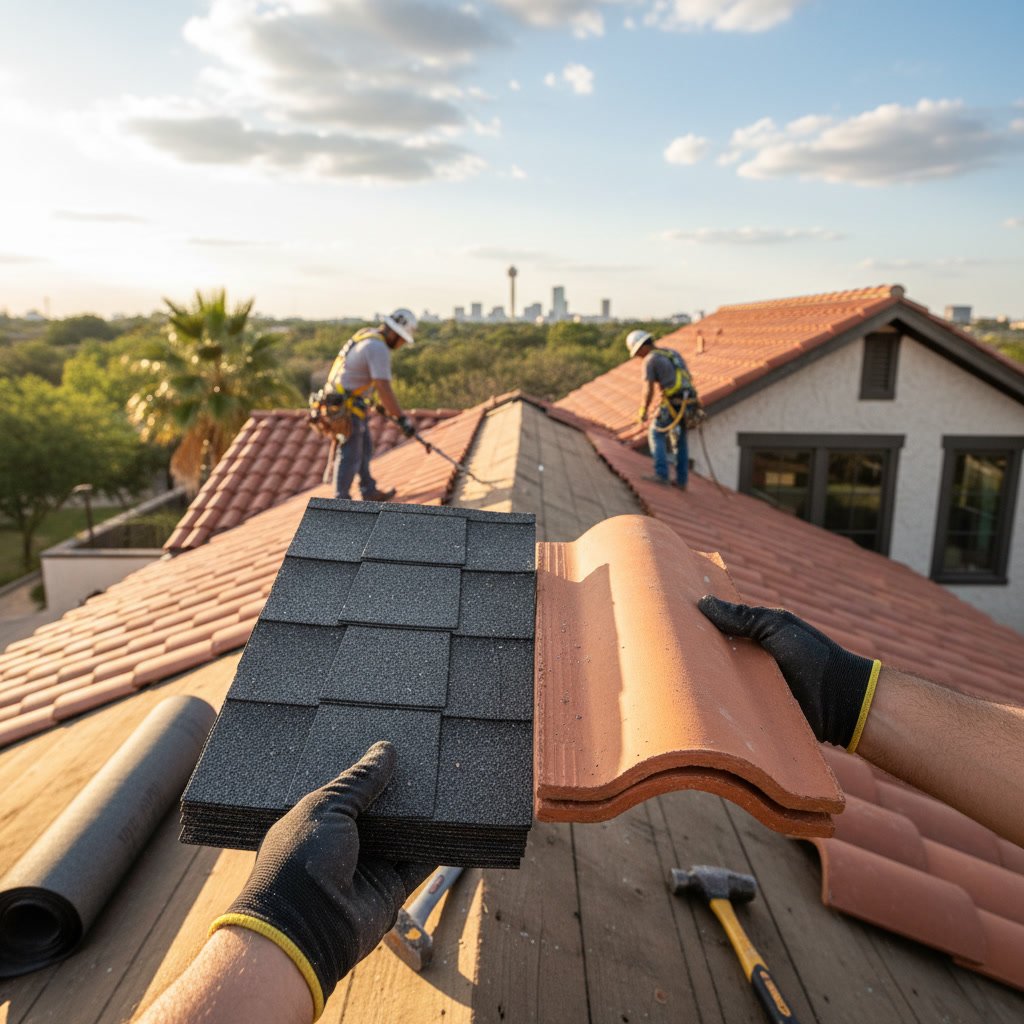
Your roof protects everything beneath it, and the shingles you select will determine how well that protection holds up against San Antonio’s intense summer heat, sudden hailstorms, and occasional winter freezes. When you choose roof shingles for your home, you’re making a decision that affects your property’s curb appeal, energy efficiency, and maintenance costs for the next 15 to 50 years.
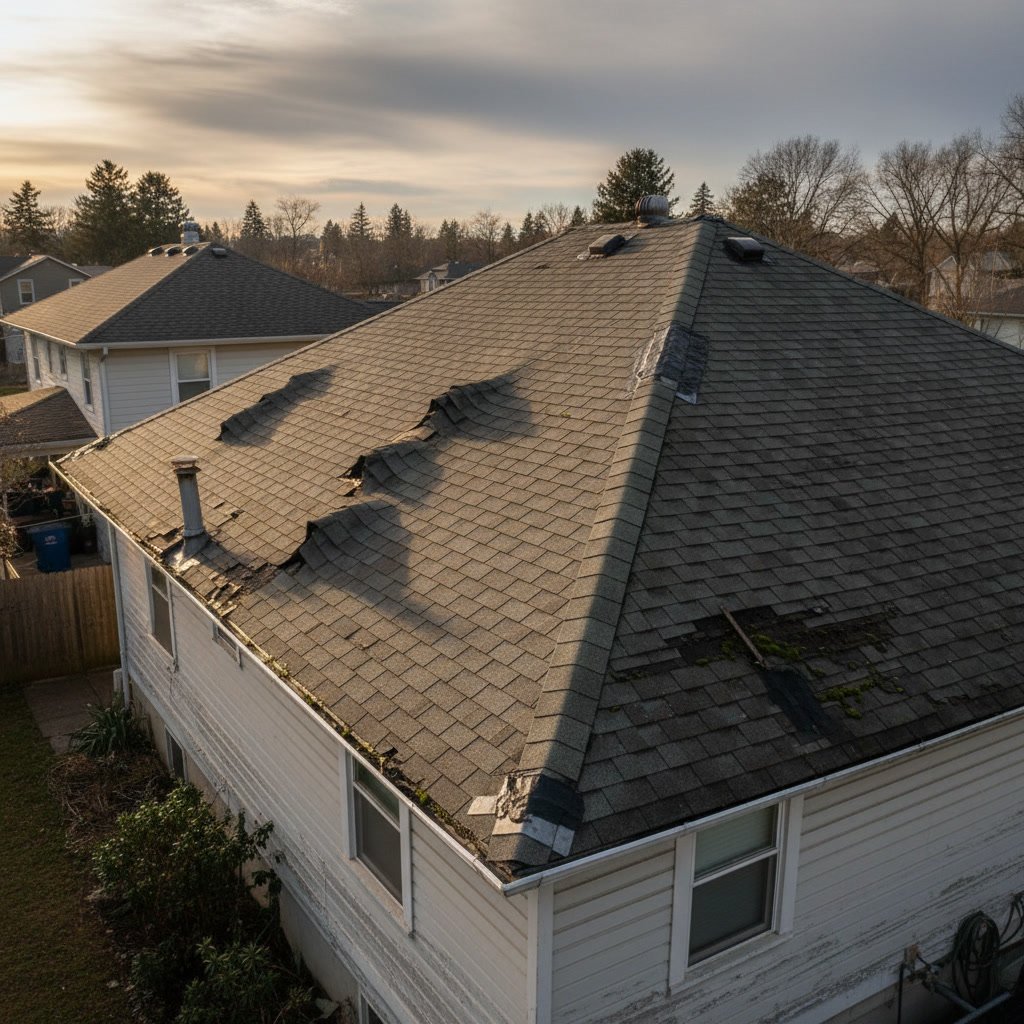
San Antonio’s climate presents unique challenges that not every roofing material handles equally well. Temperature swings between freezing winters and 100-degree summers cause expansion and contraction that can crack inferior shingles. UV radiation degrades certain materials faster here than in northern climates. Add the risk of hail damage during spring storms, and you need shingles engineered for Texas weather.
This guide covers the material types available, how to match shingles to your home’s architecture, what warranties actually protect, and the installation factors that determine whether your roof lasts two decades or four.
Understanding Your Shingle Material Options
Most residential roofs in the San Antonio area use one of four shingle types, each with distinct advantages for local conditions.
Asphalt Composition Shingles
Three-tab asphalt shingles remain the most economical choice, typically costing $90 to $150 per square installed. They last 15 to 20 years in San Antonio’s climate when properly maintained. These shingles work for budget-conscious homeowners who plan to sell within 10 years or who need a functional roof without premium features.
Architectural or dimensional asphalt shingles cost more ($150 to $250 per square installed) but offer better wind resistance, longer warranties (25 to 30 years), and superior curb appeal with their multi-dimensional appearance. The thicker construction handles thermal cycling better than three-tab versions.
Designer and Specialty Shingles
Luxury asphalt shingles mimic the appearance of slate or cedar shake while maintaining the installation simplicity of composition materials. They cost $300 to $600 per square installed and carry warranties up to 50 years. These make sense for high-end homes in Boerne, New Braunfels, or Stone Oak where architectural details matter.
Some homeowners choose actual wood shake or slate, though both require specialized installation and maintenance that increases long-term costs. Wood shakes need treatment every few years to prevent rot in humid conditions, while slate requires structural reinforcement due to its weight.
Metal Roofing as an Alternative
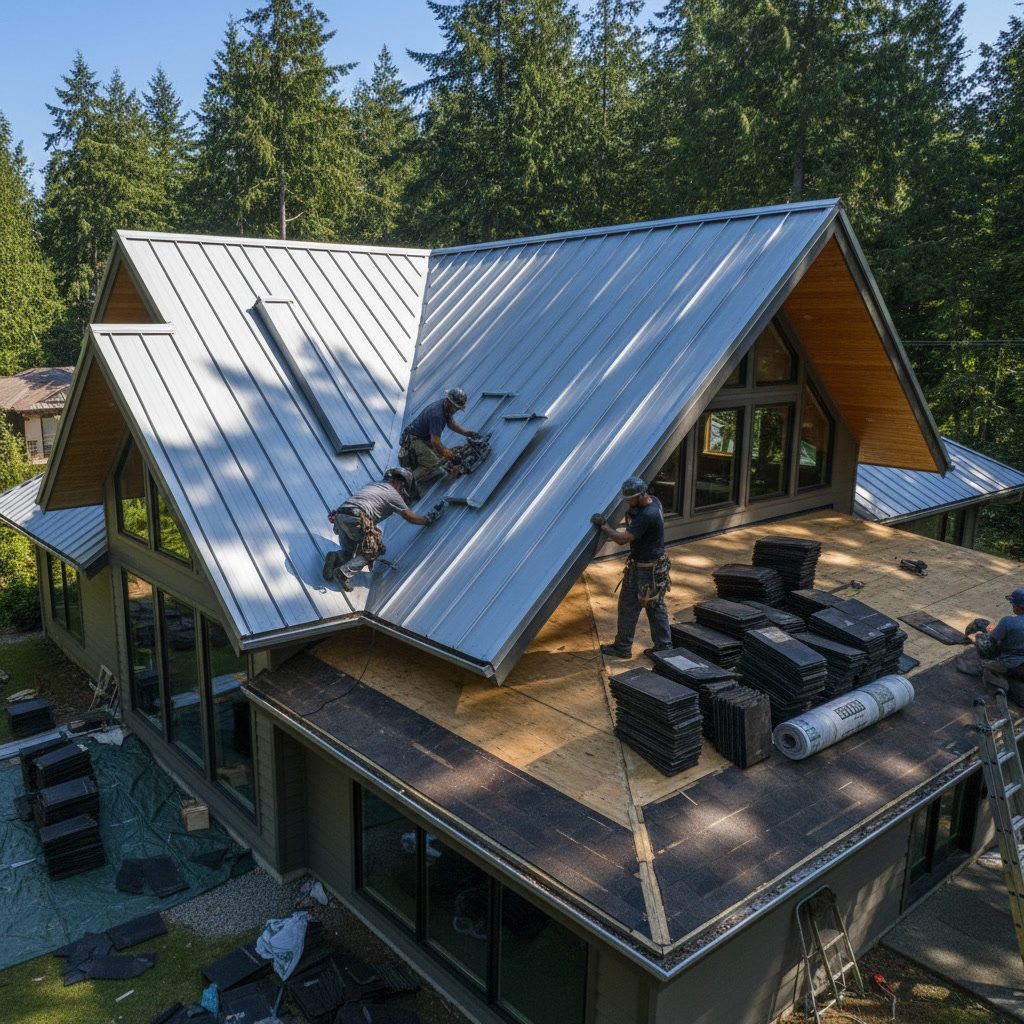
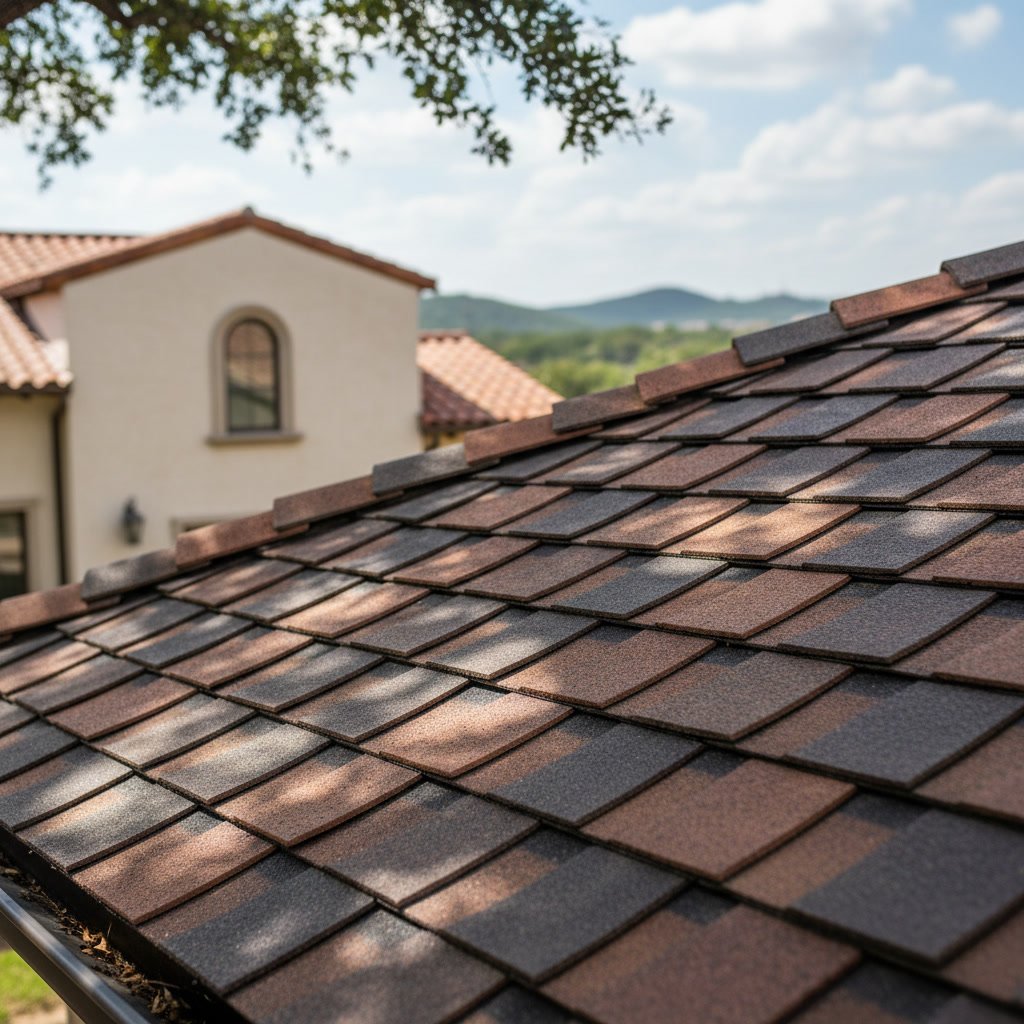
While this guide focuses on traditional shingles, metal roofing deserves consideration for San Antonio homes. Standing seam metal roofs last 40 to 70 years, reflect solar heat to reduce cooling costs by 10 to 25 percent, and handle hail better than most composition shingles. Our metal roofing installations start at $400 to $700 per square but eliminate the need for re-roofing every 20 years.
Matching Shingles to San Antonio’s Climate
The right shingle choice depends on how well materials perform in specific weather conditions you’ll face over the next two to three decades.
Heat Resistance and Reflectivity
Dark shingles absorb more solar radiation, increasing attic temperatures by 20 to 40 degrees compared to reflective options. This heat transfers into living spaces and forces air conditioning systems to work harder. Look for shingles with cool roof ratings or IR-reflective granules that bounce heat away.
Light-colored shingles in tan, gray, or white naturally reflect more sunlight. Some manufacturers add ceramic-coated granules that reflect infrared wavelengths while maintaining darker visual colors. These cost $10 to $30 more per square but pay back through lower cooling bills.
Proper attic insulation and ventilation matters as much as shingle color. Even the most reflective shingles won’t control heat if your attic traps hot air against the roof deck.
Hail Impact Ratings
San Antonio sits in a moderate hail zone where Class 3 and Class 4 impact-rated shingles make sense for homes you plan to keep long-term. Class 4 shingles withstand impacts from two-inch diameter ice balls without cracking, while standard shingles often fail at 1.25 inches.
Insurance companies in Texas offer discounts ranging from five to 35 percent for Class 4 rated roofs. The premium for impact-resistant shingles ($20 to $50 per square) typically pays for itself in reduced premiums within five to seven years.
If storm damage does occur, our insurance claim support services help homeowners document damage and navigate the claims process to ensure proper compensation for repairs.
Wind Uplift Performance
Thunderstorm winds in the Hill Country regularly exceed 60 mph during spring and summer storms. Standard three-tab shingles carry wind ratings of 60 to 70 mph, while architectural shingles with enhanced adhesive typically rate for 110 to 130 mph winds.
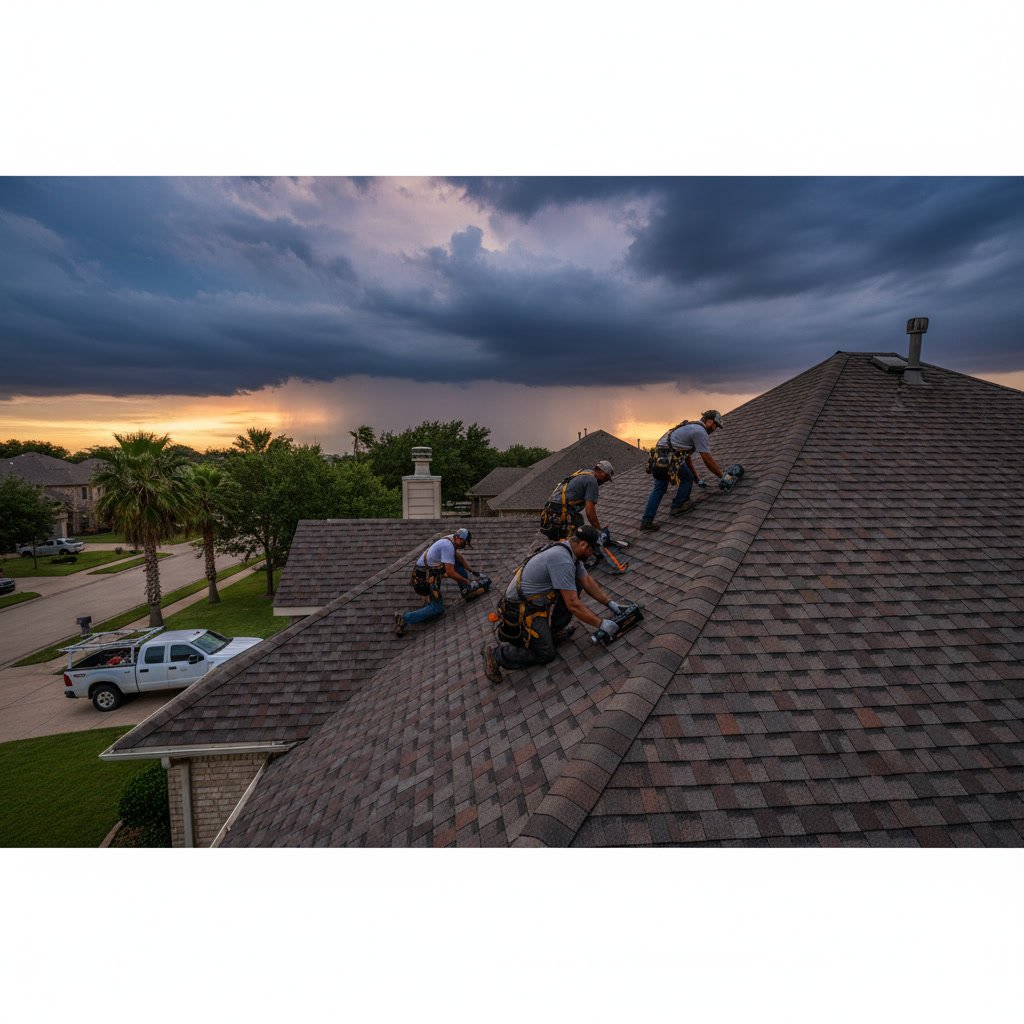
Installation method affects wind performance as much as shingle design. Proper nailing patterns, starter strips, and edge sealing determine whether shingles stay attached during severe weather. Cheap installation negates the benefit of premium materials.
Color and Style Considerations
Beyond performance specs, your shingle choice affects your home’s appearance and resale value.
Architectural Compatibility
Ranch-style homes popular in neighborhoods throughout Schertz and Universal City typically look best with solid, mid-tone colors (weathered wood, driftwood, pewter gray). These neutral tones complement both brick and siding without clashing.
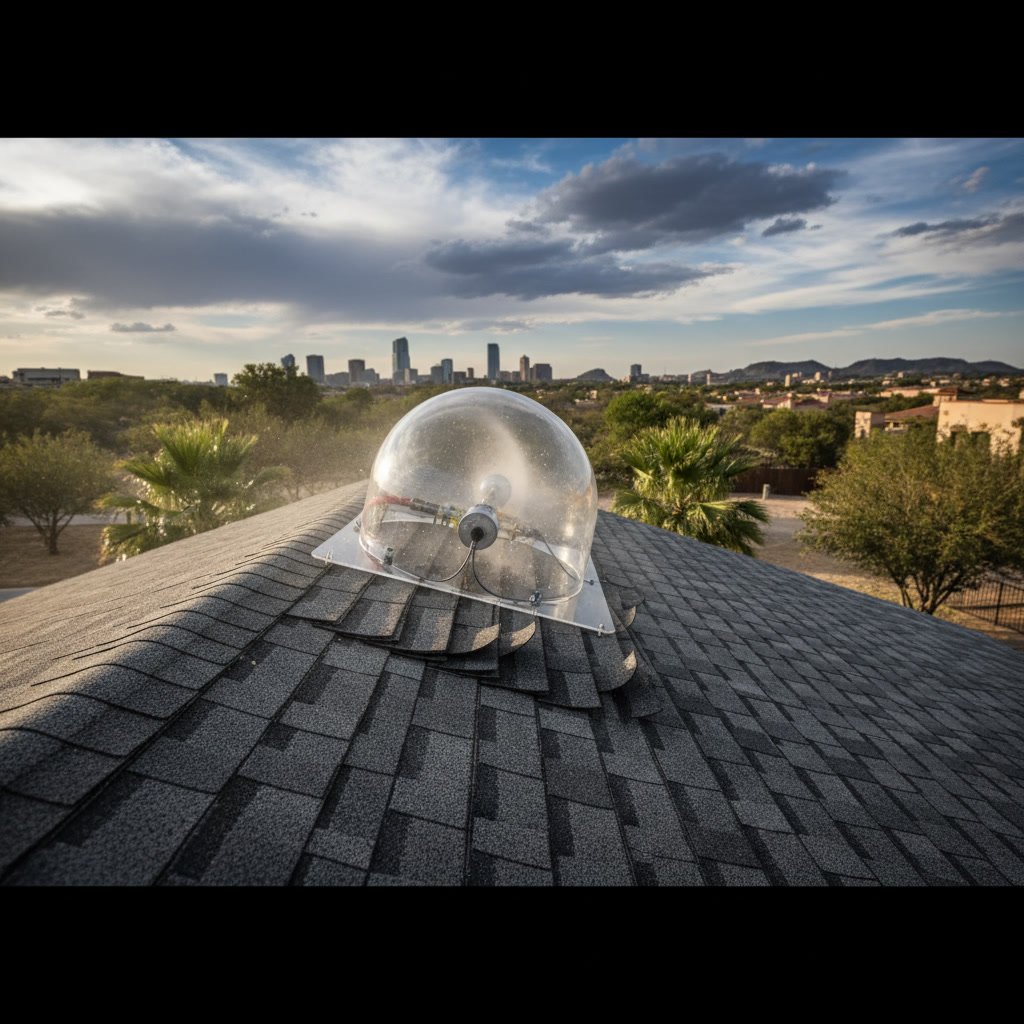
Mediterranean and Spanish Colonial homes common in older San Antonio neighborhoods call for shingles that mimic clay tile appearance. Terracotta, mission brown, and aged copper tones maintain architectural authenticity while avoiding the weight and cost of actual tile.
Victorian and craftsman homes benefit from multi-tonal shingles with dimension and texture. Designer shingles in slate gray, aged cedar, or weathered wood create the depth these architectural styles require.
HOA Requirements and Neighborhood Standards
Many planned communities in New Braunfels, Cibolo, and Boerne maintain architectural review committees that approve or reject roofing materials and colors. Check your HOA covenants before purchasing materials to avoid expensive rework.
Even without HOA restrictions, matching the general color palette of surrounding homes protects resale value. A bright blue roof might express personality but will limit your buyer pool when you sell.
When to Choose Roof Shingles Versus Other Materials
Composition shingles work well for most situations, but certain scenarios call for alternatives.
Choose traditional asphalt shingles when your roof pitch exceeds 4:12, you need economical materials with proven performance, you want DIY-friendly repairs that any roofer can handle, or your home’s architecture calls for dimensional texture that metal can’t provide.
Consider metal roofing when you plan to stay in your home for 30-plus years, your roof has low pitch areas (2:12 to 4:12) where shingles perform poorly, you want maximum hail and fire resistance, or energy efficiency matters more than upfront cost. Read more about pricing factors in our article on metal roofing costs in San Antonio.
The choice isn’t always either-or. Some homeowners install metal on the main roof and use roof shingles on lower-visibility sections like detached garages or patio covers to balance cost and performance.
Pro Tip: If your home has multiple roof planes with different sun exposure, consider using different shingle colors or materials optimized for each section. The south-facing roof endures far more UV and heat stress than north-facing slopes.
Understanding Warranties and What They Actually Cover
Shingle warranties sound impressive in marketing materials but contain limitations that catch homeowners off guard.
Material Warranties Versus Labor Coverage
Most manufacturer warranties cover only the shingles themselves, not the labor to remove and replace them if they fail. A 30-year warranty typically provides full replacement for the first 10 years, then prorates coverage based on age. After 15 years, you might receive credit for only 50 percent of new materials while paying 100 percent of labor.
Some manufacturers offer enhanced warranties that include installation labor, but these require certified installers who follow specific installation procedures. Sky Metal Roofing LLC maintains certifications with major manufacturers to provide these upgraded warranty options.
What Voids Your Warranty
Common warranty exclusions include damage from foot traffic during maintenance, failure caused by inadequate ventilation, algae or moss growth (considered cosmetic), and improper installation by uncertified contractors. Walking on your roof to clean gutters or install holiday lights can technically void coverage if you damage shingles in the process.
Many warranties also require professional installation documentation, including photos, material receipts, and ventilation calculations. Hiring a licensed contractor who provides this documentation protects your warranty rights.
Installation Quality Matters More Than Brand
The best shingles fail prematurely when installed incorrectly, while mid-grade materials perform well with proper installation technique.
Critical Installation Details
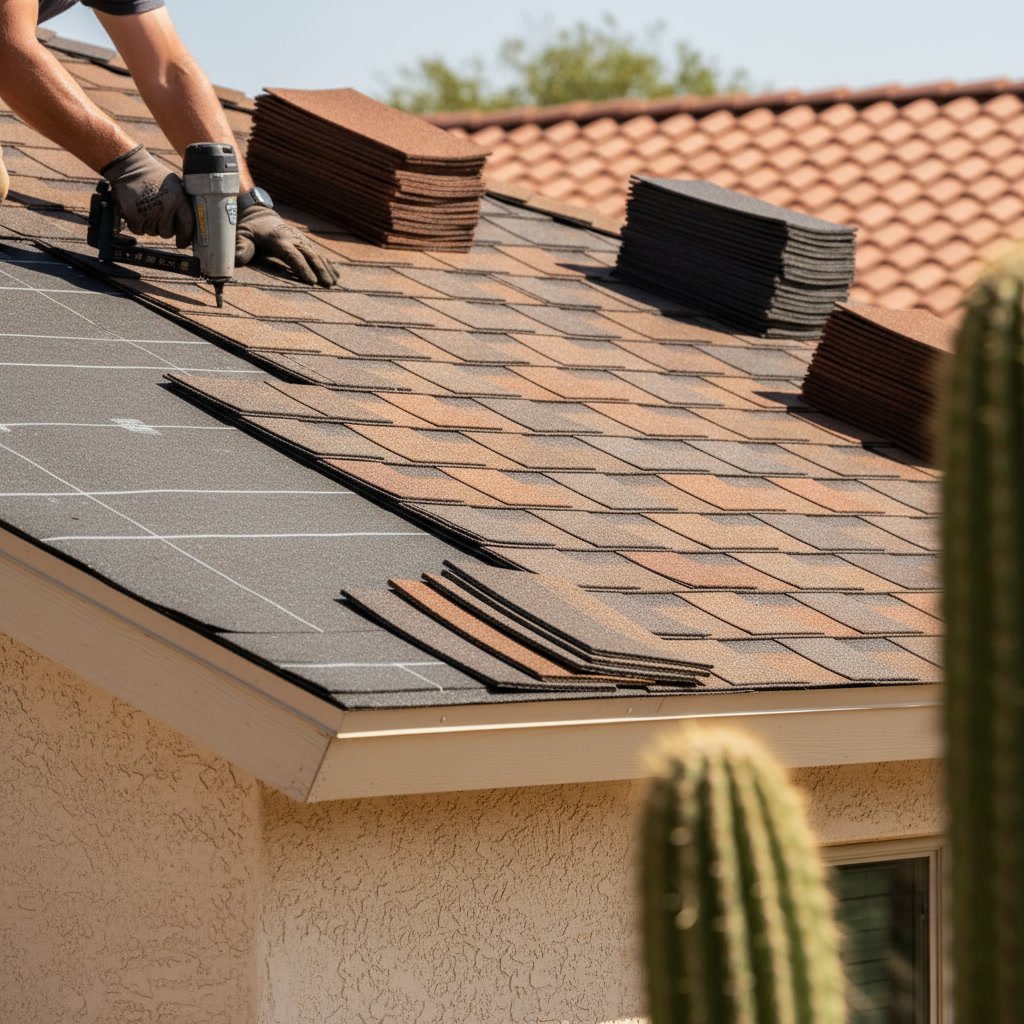
Proper nailing uses four to six nails per shingle placed in the manufacturer’s specified nail zone, typically three-quarters of an inch below the adhesive strip. Nails driven too high miss the underlying shingle and reduce wind resistance. Nails placed too low crack shingles and create leak points.
Starter strips along eaves and rakes prevent wind uplift at roof edges where forces concentrate. Skipping this step to save $50 in materials leads to edge blow-offs during the first significant storm.
Valley treatment determines whether water channels properly or backs up under shingles. Open valleys with metal flashing work better than woven or closed-cut valleys in areas with heavy rain or leaves.
Our roof replacement and installation services follow manufacturer specifications exactly to ensure warranty compliance and maximum shingle lifespan.
The Deck Underneath
Shingles only perform as well as the substrate beneath them. Damaged, wet, or improperly spaced decking causes premature shingle failure regardless of material quality.
Most codes require half-inch OSB or plywood decking with one-eighth inch gaps for expansion. Older homes sometimes have board decking with gaps that need addressing before re-roofing. Any soft spots, water damage, or structural issues must be corrected during tear-off, not covered over.
Cost Factors Beyond the Shingles Themselves
Shingle price per square represents only 40 to 60 percent of total project cost. Understanding other expenses helps you budget accurately.
Tear-Off and Disposal
Removing and disposing of old roofing adds $100 to $150 per square to most jobs. Multiple layers cost more because disposal fees are charged by weight. Some contractors offer reduced rates for overlay installations that leave old shingles in place, but this adds weight, voids most warranties, and hides deck damage.
Flashing and Penetrations
Every chimney, vent pipe, skylight, and wall intersection requires custom flashing. Complex roofs with multiple dormers, valleys, and wall details cost significantly more per square than simple rectangular roofs with identical square footage.
Existing skylight maintenance or replacement during re-roofing makes sense because accessing skylights later requires cutting through new shingles.
Permits and Code Upgrades
San Antonio requires building permits for re-roofing projects, adding $150 to $400 depending on home size. Current code may also require ventilation upgrades or structural reinforcement that older roofs lacked.
Frequently Asked Questions
How long do roof shingles last in San Antonio’s climate?
Standard architectural asphalt shingles last 20 to 25 years in San Antonio when properly installed and maintained. Three-tab shingles typically last 15 to 20 years, while premium designer shingles can reach 30 to 40 years. Metal roofing extends lifespan to 50-plus years. Heat, UV exposure, and storm damage affect longevity more than age alone.
Should I choose lighter or darker shingle colors for energy efficiency?
Lighter colors reflect more solar radiation and keep attic spaces 10 to 20 degrees cooler than dark shingles. However, IR-reflective shingles in darker colors now offer similar performance while providing more color options. Combine reflective shingles with proper attic insulation and ventilation for maximum energy savings.
Do I need impact-resistant shingles if my insurance doesn’t require them?
Impact-resistant Class 4 shingles make financial sense in San Antonio even without insurance requirements. The modest upfront premium ($20 to $50 per square) pays back through insurance discounts and reduced claim likelihood. More importantly, they prevent the disruption and hassle of filing claims and scheduling repairs after hail events.
Can I install new shingles over my existing roof?
Building codes allow up to two layers of asphalt shingles, but overlay installations void most manufacturer warranties, hide deck damage, add structural load, and reduce the new roof’s lifespan. The cost savings of $100 to $150 per square rarely justifies these compromises. Proper tear-off protects your investment better.
When is the best time of year to replace my roof in San Antonio?
Fall (October through November) and spring (March through May) offer the most comfortable working conditions and fewer weather delays. Summer heat makes installation more challenging but doesn’t affect shingle performance once installed. Avoid scheduling during peak hail season (April through June) if possible. Licensed contractors work year-round and adjust techniques for temperature conditions.
Making Your Final Decision
When you choose roof shingles for your San Antonio home, balance upfront cost against long-term performance in local climate conditions. Impact-resistant architectural shingles in reflective colors offer the best value for most homes, providing 25 to 30 years of protection while reducing insurance premiums and cooling costs. Premium materials make sense for homes you’ll keep long-term or when architectural style demands specific aesthetics.
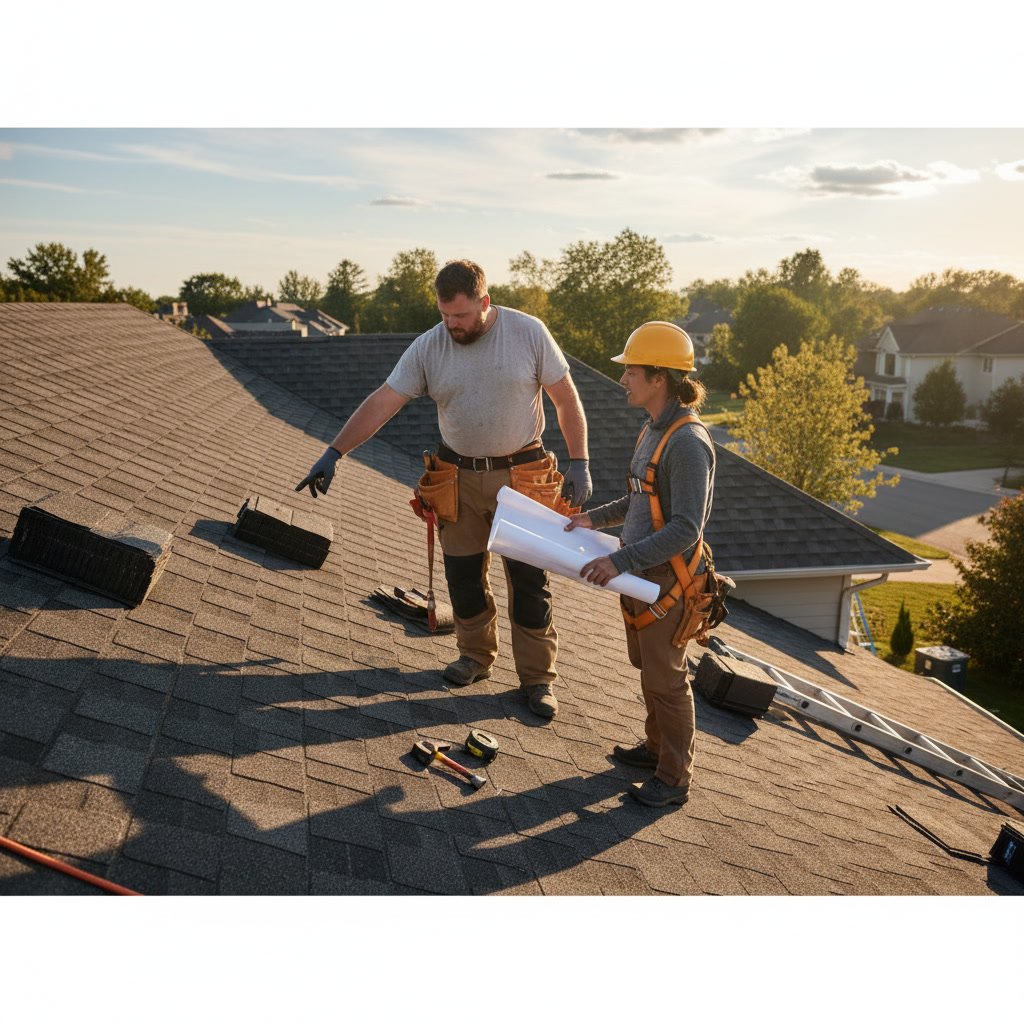
Installation quality determines whether your investment delivers its promised lifespan. Working with experienced contractors who understand San Antonio’s weather patterns and follow manufacturer specifications protects both your warranty rights and your home.
Sky Metal Roofing LLC provides professional roofing services throughout San Antonio and surrounding communities including Helotes, Seguin, and Live Oak. Our licensed team helps homeowners select materials matched to their specific needs, climate conditions, and budget. Call +12104120026 to schedule a consultation and get a detailed estimate for your roof replacement project.