A quality roof installation combines the right materials with expert workmanship and careful attention to every layer of your roofing system. When done correctly, your roof can last 30 to 50 years or more, protecting your home and adding value. When shortcuts are taken, even premium materials will fail early, leading to costly repairs and replacements.
Why Installation Quality Matters More Than Material Brand
The best roofing materials on the market will underperform if they’re installed incorrectly. A five-star shingle installed with missing nails or improper overlap will leak within months. Meanwhile, a mid-grade product installed by skilled professionals following manufacturer specifications can outlast its warranty by decades.
Manufacturers design their products with specific installation protocols. Deviating from those instructions voids warranties and compromises performance. The difference between a 20-year roof and a 50-year roof often comes down to whether the installer followed every step in the manual.
How Proper Substrate Preparation Sets the Foundation
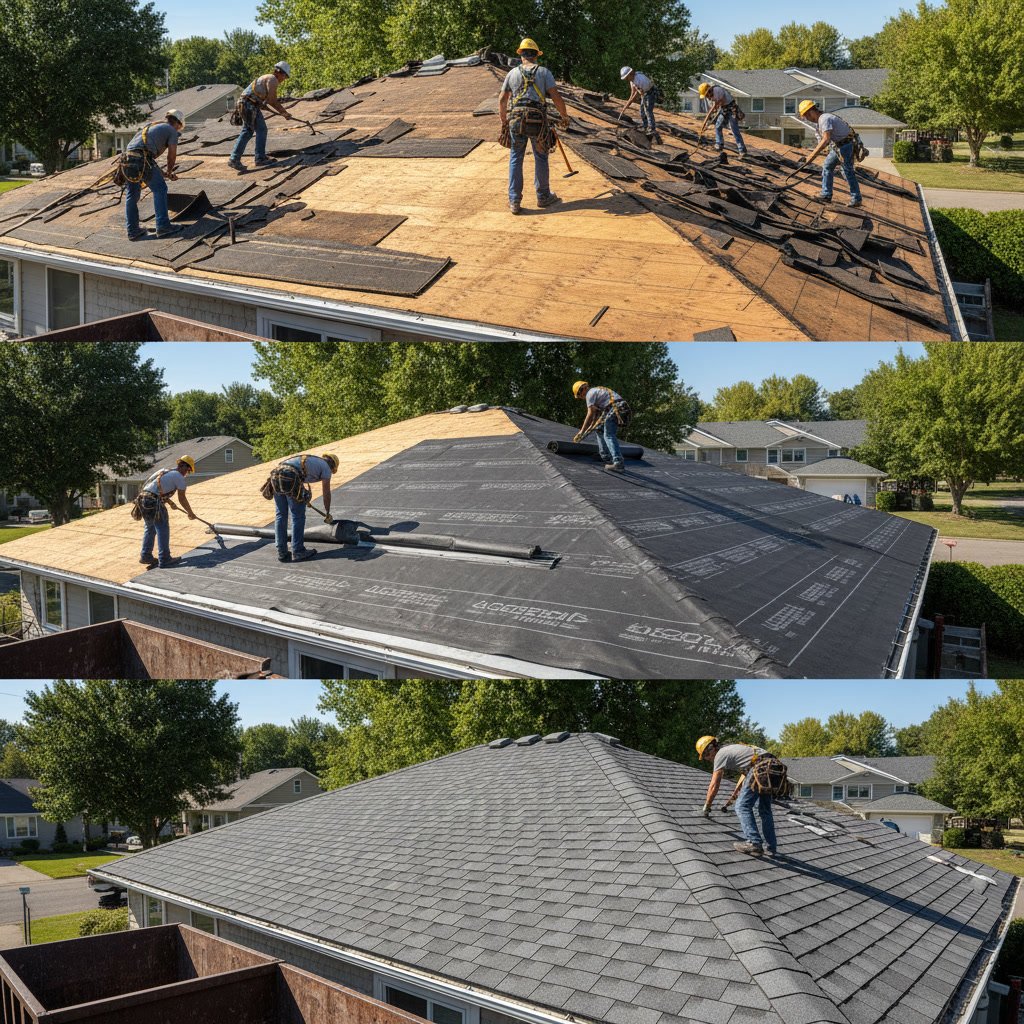
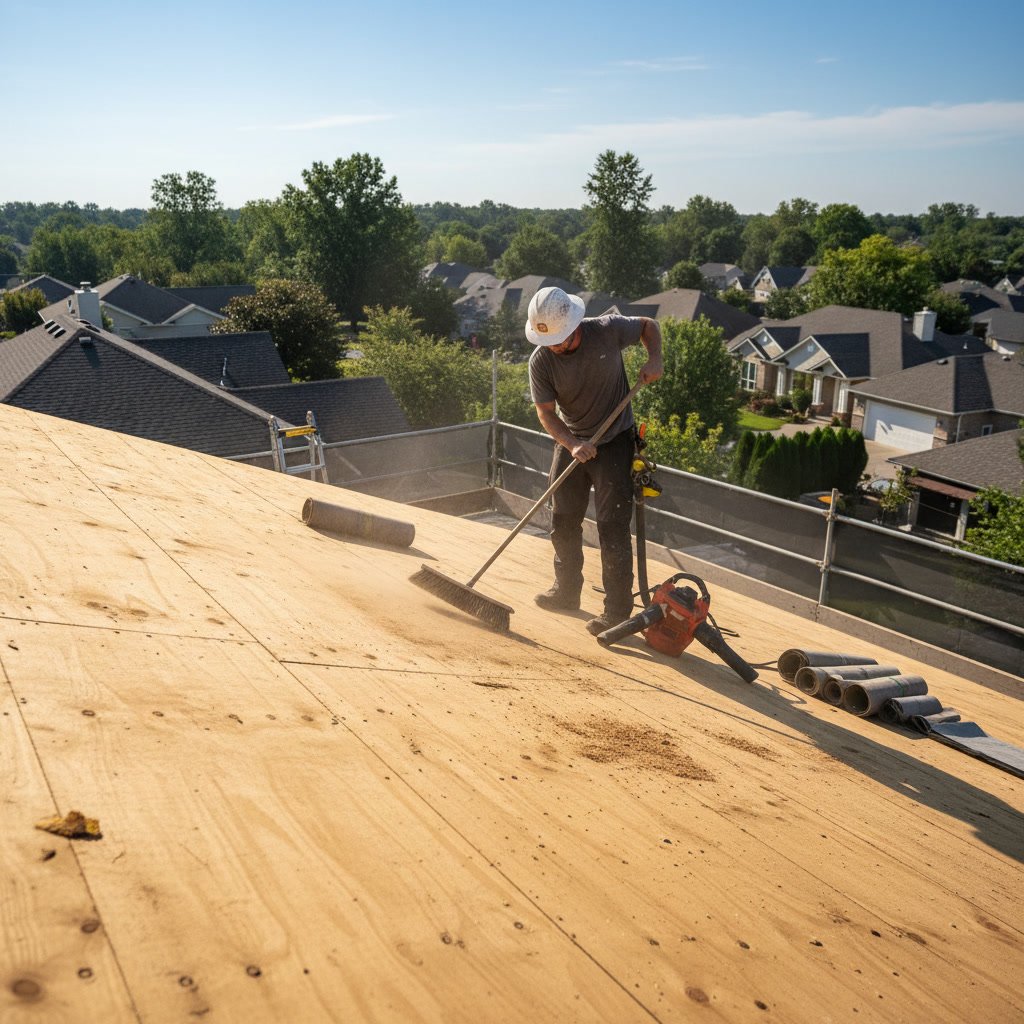
Before any shingle, tile, or metal panel goes on, the roof deck must be sound. Rotten or warped decking will telegraph through the finished roof, creating low spots where water pools. Professional contractors inspect and replace damaged sheathing before starting the installation.
Proper spacing between deck boards or plywood sheets allows for thermal expansion. In hot climates, materials expand and contract significantly. Butting panels too tightly together causes buckling. Leaving appropriate gaps, typically one-eighth inch, prevents this problem.
The Critical Role of Underlayment and Moisture Barriers
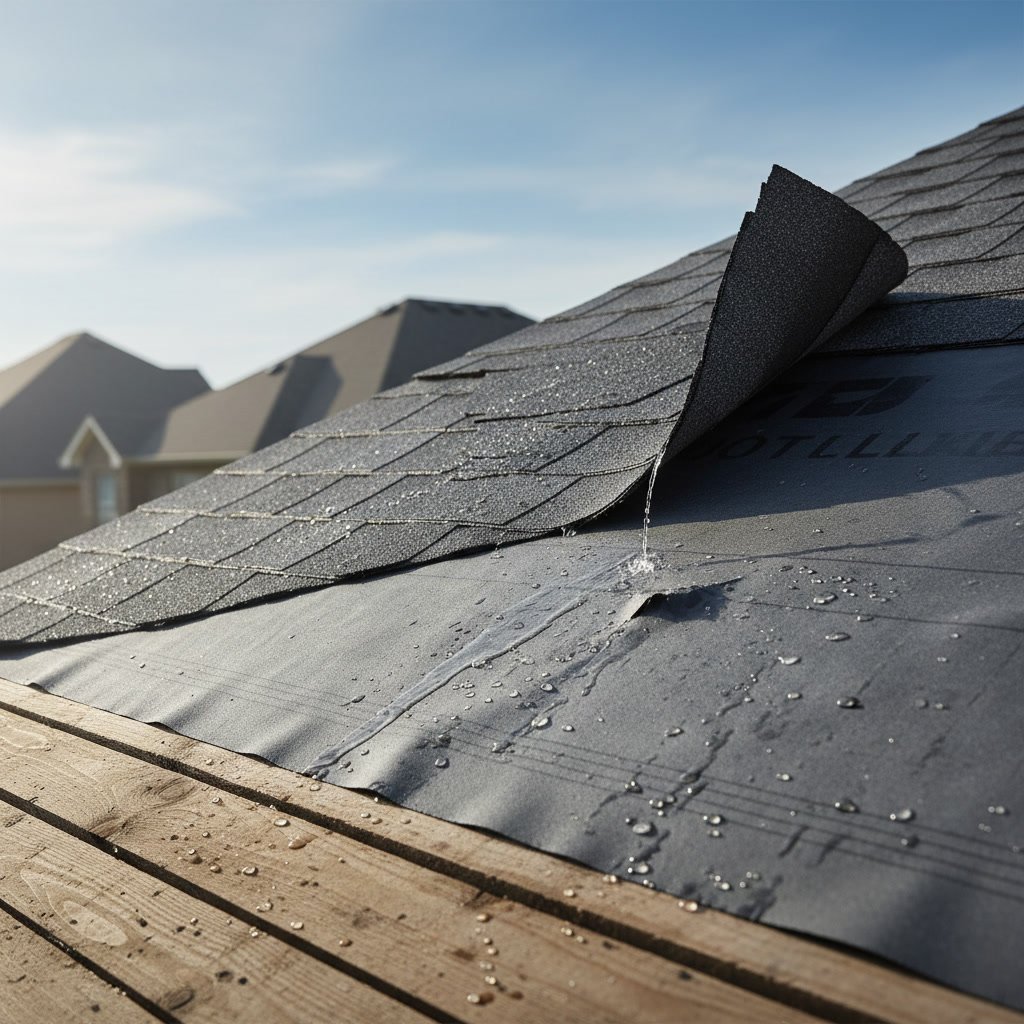
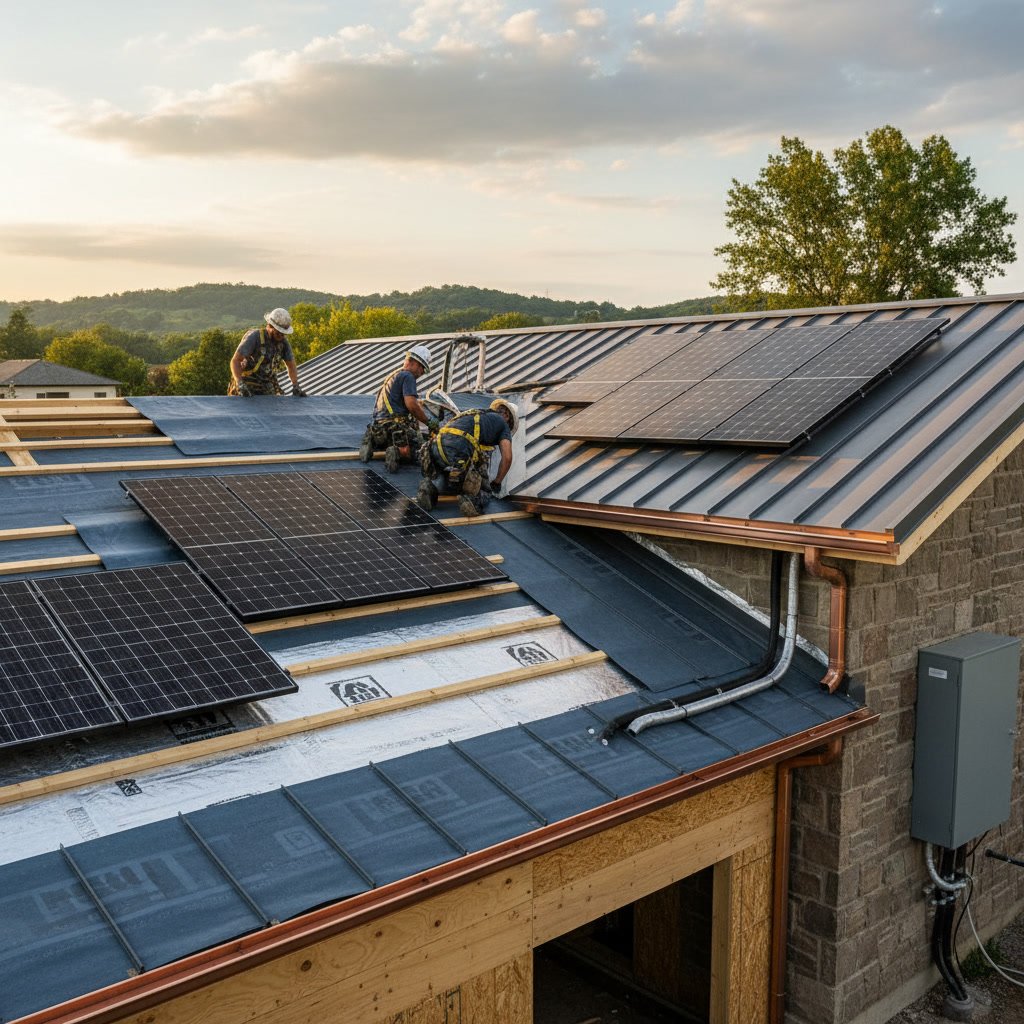
Underlayment acts as your roof’s second line of defense against water intrusion. Synthetic underlayment has largely replaced traditional felt paper because it resists tearing, won’t wrinkle when wet, and provides superior moisture protection.
Ice and water shield, a self-adhering membrane, should cover valleys, eaves, and penetrations. This rubberized barrier seals around nails and prevents wind-driven rain from entering. Many installers skip this step to save money, but it’s one of the most important components in regions that experience freeze-thaw cycles or heavy storms.
For homeowners dealing with unexpected weather events, our storm damage recovery services can restore your roof’s protective barriers after severe conditions compromise them.
Ventilation Systems That Prevent Premature Aging
Attic ventilation directly impacts roof lifespan. Without adequate airflow, summer heat builds up in your attic, raising shingle temperatures to 170 degrees or higher. This accelerated heating cooks the asphalt oils out of shingles, making them brittle and prone to cracking.
A balanced ventilation system includes intake vents at the soffits and exhaust vents at the ridge or gables. The general rule calls for one square foot of ventilation for every 150 square feet of attic space. Proper attic insulation works hand-in-hand with ventilation to regulate temperature and prevent moisture buildup that rots decking and rafters.
In winter, warm air escaping into an improperly ventilated attic melts snow on the roof. The water refreezes at the eaves, creating ice dams that force water under shingles and into your home.
New Braunfels Climate Considerations for Long-Lasting Roofs
Central Texas weather poses unique challenges. Summer temperatures regularly exceed 100 degrees, UV radiation is intense, and sudden hailstorms can appear with little warning. Materials and installation methods must account for these conditions.
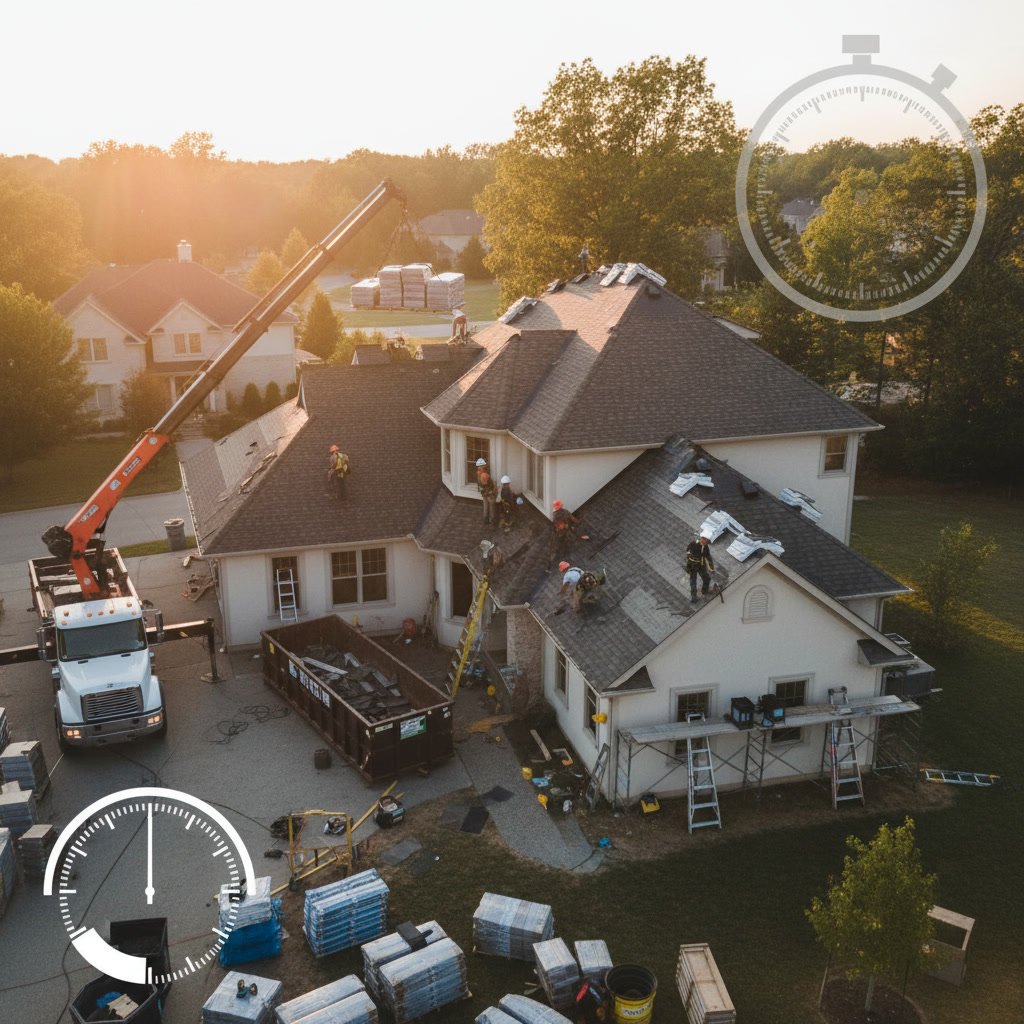
Light-colored roofing reflects more heat than dark shingles, reducing thermal stress. Metal roofing performs exceptionally well in hot climates because it sheds heat quickly and resists impact damage from hail. Understanding the timeline for professional roof installation helps homeowners plan around seasonal weather patterns.
Installing during moderate temperatures allows adhesives and sealants to cure properly. Extreme heat or cold can prevent proper bonding, leading to premature failure of critical seals.
Five Installation Details That Separate Good From Great
First, nail placement and quantity matter enormously. Each shingle requires a specific number of nails positioned in the manufacturer’s designated nailing zone. Nails placed too high won’t secure the shingle properly. Nails driven at an angle or overdriven can create entry points for water.
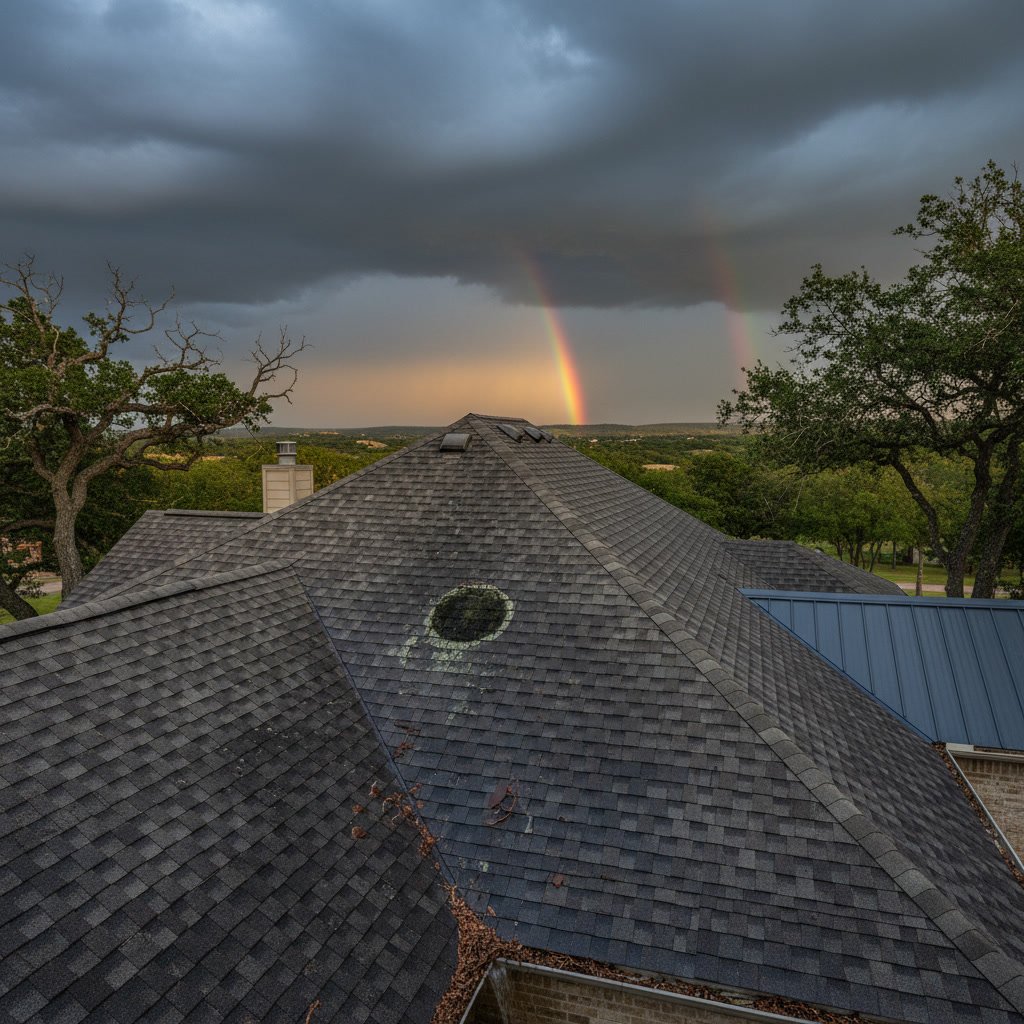
Second, flashing around chimneys, skylights, and walls must be installed in the correct sequence and sealed with appropriate materials. Step flashing should weave between shingle courses, not simply tucked behind them. Many leaks traced to these areas result from improper flashing techniques.
Third, valley treatment determines whether water flows smoothly off your roof or backs up under shingles. Open valleys use metal channels that handle heavy water flow. Closed valleys rely on careful weaving or cutting of shingles. Both methods work when executed correctly, but closed valleys require more skill to prevent future leaks.
Fourth, drip edge installation protects fascia boards from water damage and helps direct runoff into gutters. This L-shaped metal trim should extend under the underlayment along the rake edges and over the underlayment at the eaves.
Fifth, ridge cap installation provides critical protection at the roof’s highest point, where two slopes meet. Specialized ridge cap shingles must overlap correctly and be nailed according to wind rating requirements for your area. In high-wind zones, additional adhesive is often necessary.
Why Manufacturer Certifications and Training Matter
Roofing manufacturers offer certification programs that train contractors on proper installation of their products. Certified installers understand product-specific requirements and common mistakes to avoid. These programs cover everything from substrate preparation to final cleanup.
Certification often comes with enhanced warranty coverage. A manufacturer may offer a 50-year material warranty, but only certified installers can provide workmanship warranties that match that duration. This matters tremendously if a problem develops years after installation. Sky Metal Roofing LLC maintains manufacturer certifications to ensure every project meets the highest industry standards.
Ongoing training keeps installers current on new products and evolving best practices. Roofing technology advances regularly, with improved adhesives, fasteners, and materials entering the market. Contractors who invest in education deliver better results.
The Connection Between Complementary Systems
Your roof doesn’t exist in isolation. Gutter installation and cleaning affects how water moves off your roof and away from your foundation. Clogged or improperly sloped gutters cause water to back up under shingles at the eaves.
Similarly, skylight maintenance preserves the weathertight seals around these penetrations. A skylight installed during roof replacement should integrate seamlessly with the roofing system, with proper flashing and counter-flashing that moves with seasonal expansion and contraction.
Material Selection Based on Your Specific Needs
Different roofing materials suit different situations. Asphalt shingles offer good value and come in many styles, making them popular for residential applications. Metal roofing provides superior longevity and energy efficiency, particularly in areas with high heat or fire risk.
The decision between materials should consider your home’s architecture, your budget, local climate, and how long you plan to stay in the property. A roof replacement and installation represents a significant investment, so matching material to your specific situation ensures you get the best return.
Heavier materials like tile or slate require adequate structural support. Not every roof frame can handle these loads without reinforcement. Professional contractors assess your structure before recommending materials.
Post-Installation Inspections and Quality Control
The final walkthrough reveals installation quality. A thorough inspection checks nail patterns, flashing details, sealant application, and overall appearance. Granules should be evenly distributed across shingles, with no bare spots or manufacturing defects.
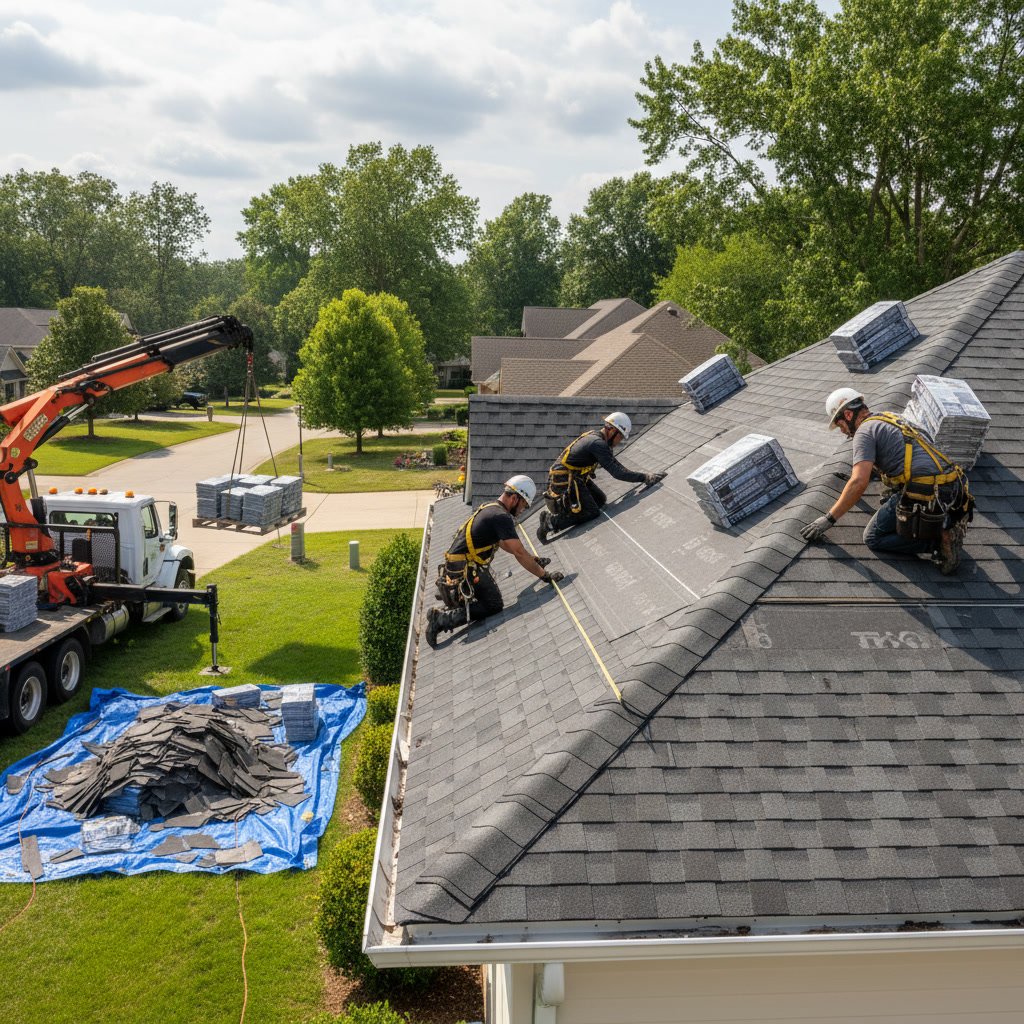
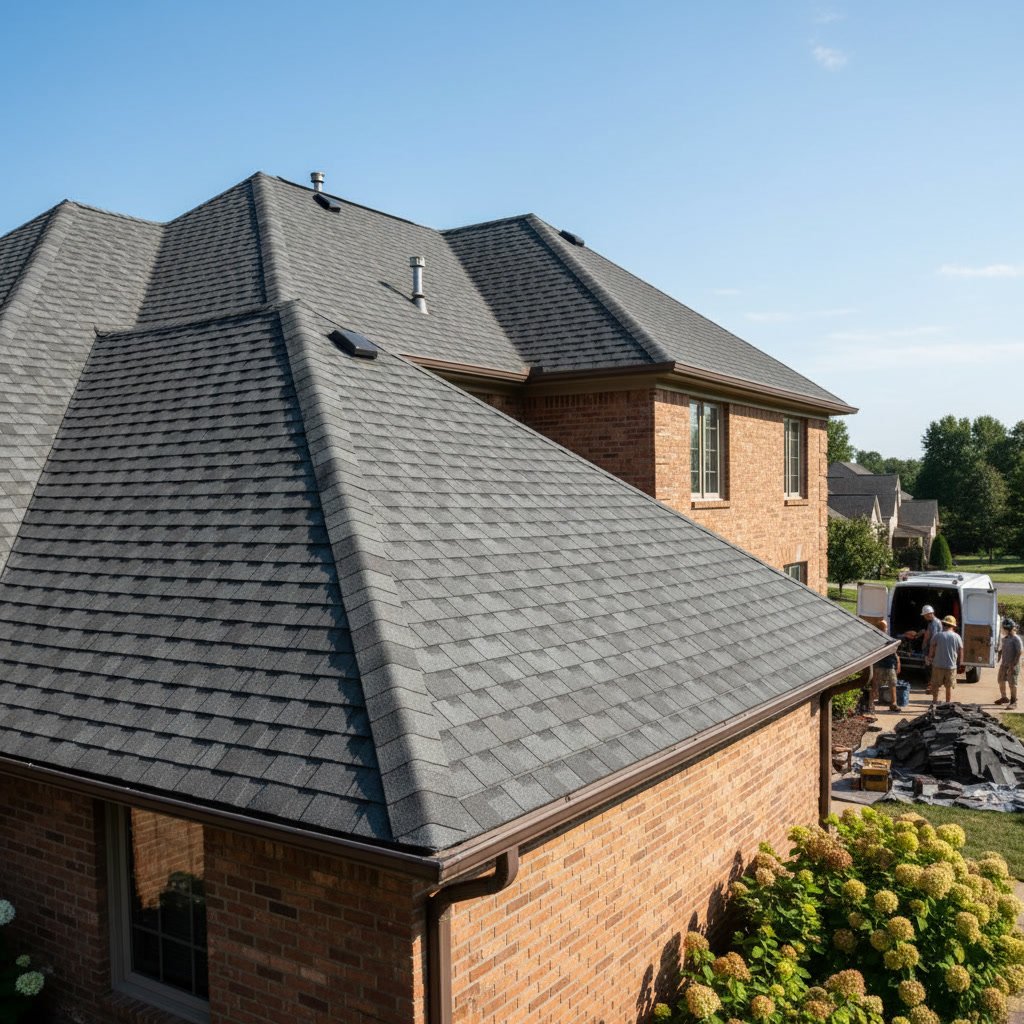
Cleanup is part of quality installation. Nails and debris left in your yard pose safety hazards. Magnetic sweepers collect metal fasteners, while tarps catch most waste during tear-off. Contractors should leave your property cleaner than they found it.
Documentation matters too. Keep your installation records, warranty information, and photos of the completed work. If you ever file an insurance claim or sell your home, these records prove professional installation and proper maintenance.
Protecting Your Investment for Decades
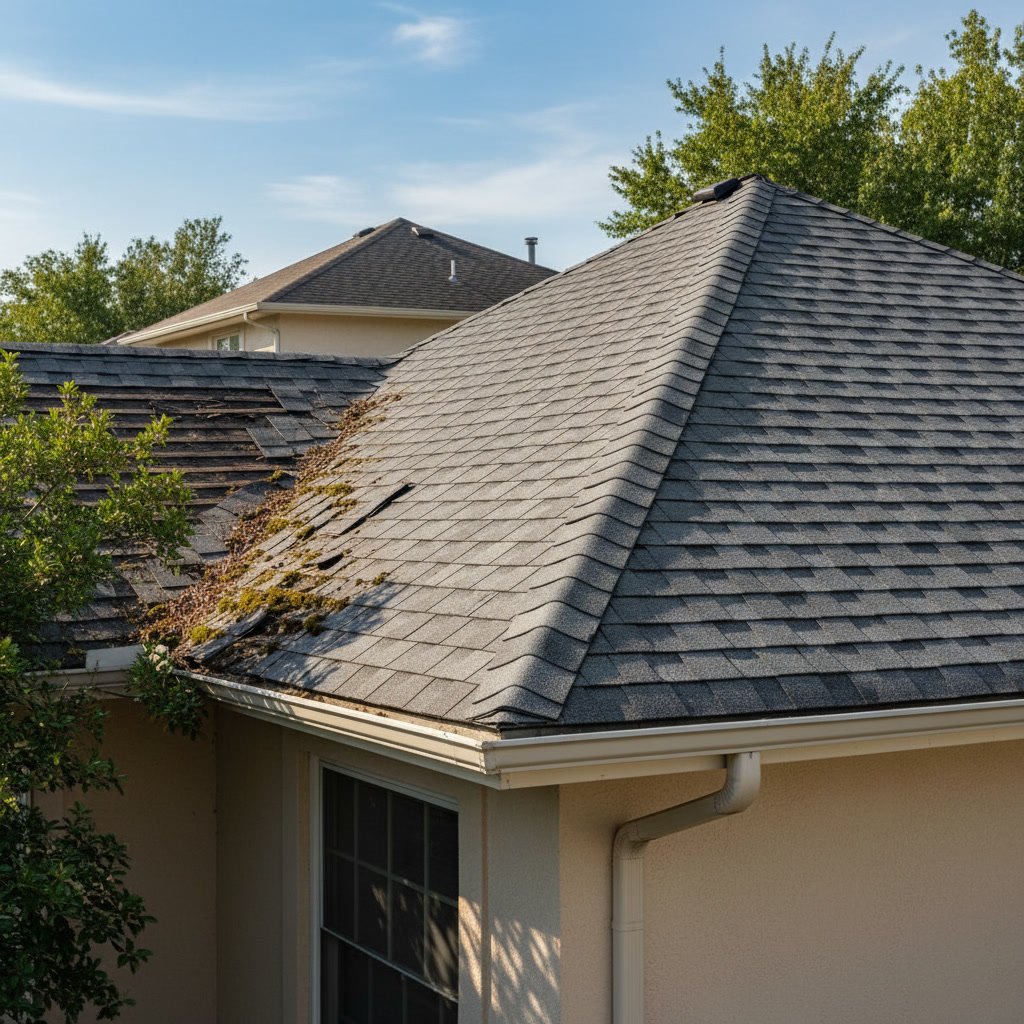
Even the best installation requires periodic maintenance. Annual inspections catch small problems before they become expensive repairs. Look for damaged or missing shingles, deteriorating flashing, and signs of water intrusion in your attic.
Trim tree branches that hang over your roof. Falling limbs cause immediate damage, while constant contact wears away protective granules. Leaves and organic debris trap moisture against your roof, accelerating deterioration.
Understanding when professional help is needed prevents minor issues from escalating. The difference between needing roof repair or full replacement often depends on catching damage early and addressing it promptly.
Making the Right Choice for Your Home
Investing in proper installation from the start saves money and frustration over your roof’s lifetime. The techniques and details covered here represent the difference between a roof that requires constant attention and one that performs reliably for decades. Material quality matters, but installation craftsmanship determines whether those materials reach their full potential.
Sky Metal Roofing LLC brings family-owned dedication to every residential and commercial project throughout the greater San Antonio area. Whether your home needs a complete roof system or specialized repairs, our licensed contractors apply the same attention to detail that makes roofs last. Call +12104120026 to schedule a consultation and learn how proper installation protects your most valuable asset.