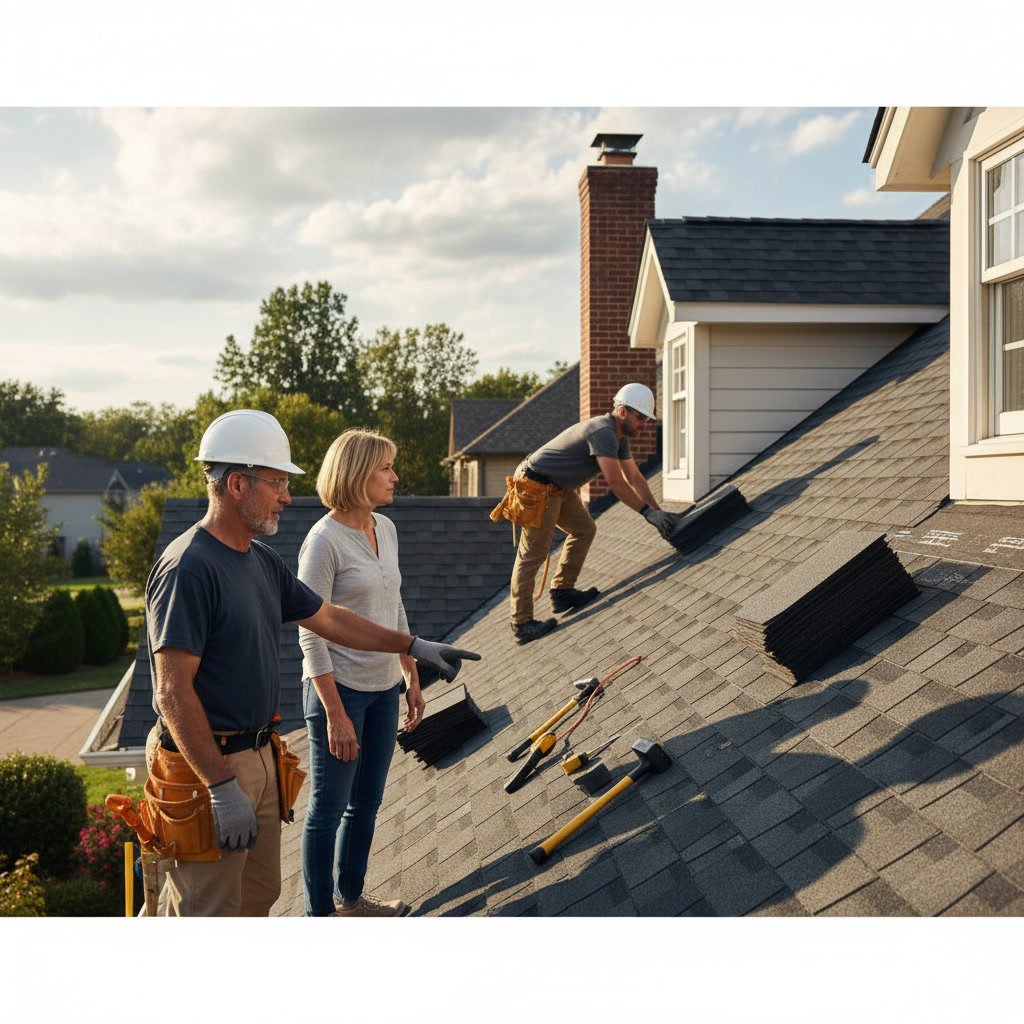
Selecting the right roofing professional starts with verifying licenses, insurance, and local references. The contractor you hire should provide transparent pricing, detailed written estimates, and proof of workers’ compensation coverage. When you choose roofing contractor services carefully, you protect both your home and your financial investment from costly mistakes and substandard work.
Why Your Contractor Choice Matters More Than You Think
Your roof represents one of the largest investments in your property. A poorly installed or repaired roof can lead to water damage, mold growth, structural problems, and premature failure that costs tens of thousands to correct. The contractor you select determines the quality of materials, the skill of the installation crew, and whether your warranty will actually be honored years down the road.
Beyond the immediate work quality, your contractor choice affects your insurance claims, permitting compliance, and resale value. Unlicensed or uninsured contractors leave you personally liable for job site injuries and code violations. Hiring the wrong company can turn a straightforward roof project into a legal and financial nightmare.
What Licensing and Insurance Really Tell You
Valid licensing proves a contractor has met minimum competency standards and maintains good standing with state or local regulators. In Texas, roofing contractors must carry specific liability insurance and workers’ compensation coverage. Ask for certificate copies and verify them directly with the issuing insurance company, not just the contractor.
Workers’ compensation protects you from liability if a crew member is injured on your property. General liability insurance covers property damage during the project. A contractor without both types of coverage shifts all risk to you as the homeowner. Request certificates with coverage amounts of at least $1 million for general liability and statutory limits for workers’ compensation.
How to Verify Local Experience and Reputation
Local experience matters because roofing contractors familiar with your area understand regional building codes, weather patterns, and permit requirements. A company with a physical address in your community has a reputation to protect and cannot easily disappear after completing your project.
Check online reviews across multiple platforms, but focus on detailed accounts that describe specific experiences rather than brief star ratings. Ask for references from projects completed in the past two years, then actually call those references. Ask about communication, cleanup, timeline adherence, and how the contractor handled unexpected issues. Visit the contractor’s gallery to see completed work in your area.
Red Flags That Should Send You Elsewhere
Storm chasers who canvass neighborhoods after severe weather often provide the lowest quality work. These out-of-state contractors complete rushed installations, then vanish before problems surface. They typically push homeowners to sign contracts immediately and may offer to waive insurance deductibles, which constitutes insurance fraud in most states.
Other warning signs include requests for full payment upfront, no physical business address, reluctance to provide references, and pressure to make immediate decisions. Legitimate contractors understand that major roofing decisions require time and comparison shopping. Be wary of bids significantly lower than competitors, as these often indicate substandard materials or shortcuts that compromise longevity.
The Right Questions to Ask Before Signing
Ask how long the company has operated under its current name and ownership. Request details about the specific crew that will work on your property, including whether they are employees or subcontractors. Find out who will supervise the project daily and how you can reach them with concerns.
Inquire about material brands, product lines, and warranty coverage. Many homeowners assume all products within a category perform equally, but quality varies dramatically between manufacturers and even between product tiers from the same manufacturer. A knowledgeable contractor explains these differences clearly. Understanding roofing material selection helps you evaluate whether recommendations serve your needs or the contractor’s profit margins.
Timeline and Project Management
Ask for a realistic timeline from contract signing through final cleanup. Weather delays happen, but the contractor should explain contingency plans and communication protocols. Confirm who obtains permits, schedules inspections, and coordinates with your insurance company if you are filing a claim.
Understanding Written Estimates and Contracts in New Braunfels
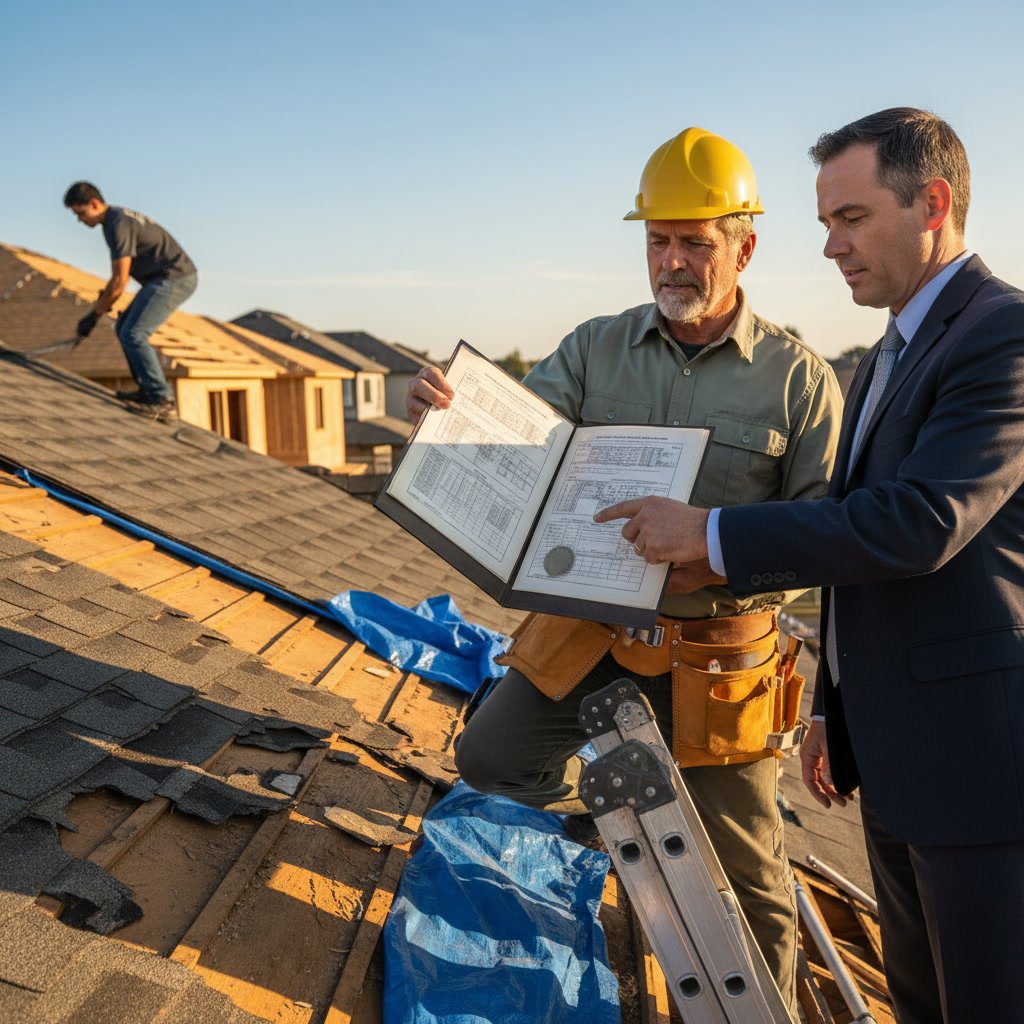
A detailed written estimate lists every project component separately: tear-off and disposal, decking repairs, underlayment type, shingle brand and model, ventilation, flashing, valleys, drip edge, and cleanup. Vague line items like “complete roof replacement” hide what you actually receive and make comparison shopping impossible.
The contract should specify start and completion dates, payment schedule tied to project milestones, material specifications, warranty terms, and dispute resolution procedures. Never sign a contract with blank sections to be “filled in later.” In New Braunfels and surrounding areas, reputable contractors provide transparent documentation that protects both parties.
Payment Structures That Protect Homeowners
Standard payment structures involve a deposit of 10-25% to order materials, a midpoint payment when old roofing is removed and decking inspected, and final payment upon completion and your approval. This protects you by ensuring the contractor remains financially motivated to complete quality work before receiving full compensation.
Avoid contractors demanding 50% or more upfront, as this eliminates your leverage if problems arise. Never pay in full before the job is complete, inspected, and approved by local building officials. If the project requires insurance claim support, the payment schedule should coordinate with insurance company disbursements.
Warranty Coverage Beyond the Marketing Promise
Roofing warranties divide into two types: manufacturer material warranties and contractor workmanship warranties. Manufacturer warranties cover defects in shingles, metal panels, or other materials but typically exclude labor costs for removal and reinstallation. These warranties range from 20 years to lifetime, but fine print often prorates coverage value over time.
Contractor workmanship warranties cover installation errors and typically last from one to ten years. A confident contractor who employs skilled crews offers substantial workmanship coverage because they rarely face claims. Ask for warranty terms in writing and verify any manufacturer warranty registration requirements, as many require professional installation and proper registration within specific timeframes.
What Voids Your Warranty
Most warranties become void if anyone other than an authorized contractor performs repairs, if improper ventilation damages materials, or if you install satellite dishes, solar panels, or other penetrations without following manufacturer guidelines. Understanding these limitations before installation prevents unpleasant surprises years later when you need coverage most.
Specialized Services and Comprehensive Capabilities
The best contractors offer comprehensive services beyond basic installation. A company capable of specialized roof services demonstrates broader expertise and can handle unexpected complications without hiring subcontractors who dilute accountability.
Look for contractors who provide storm damage recovery, attic ventilation assessment, and related services like gutter work and insulation. This integrated approach identifies underlying issues that affect roof performance. A contractor who only installs roofing may miss ventilation problems that will void your shingle warranty or insulation deficiencies that lead to ice damming and premature deterioration.
Communication Standards During Your Project
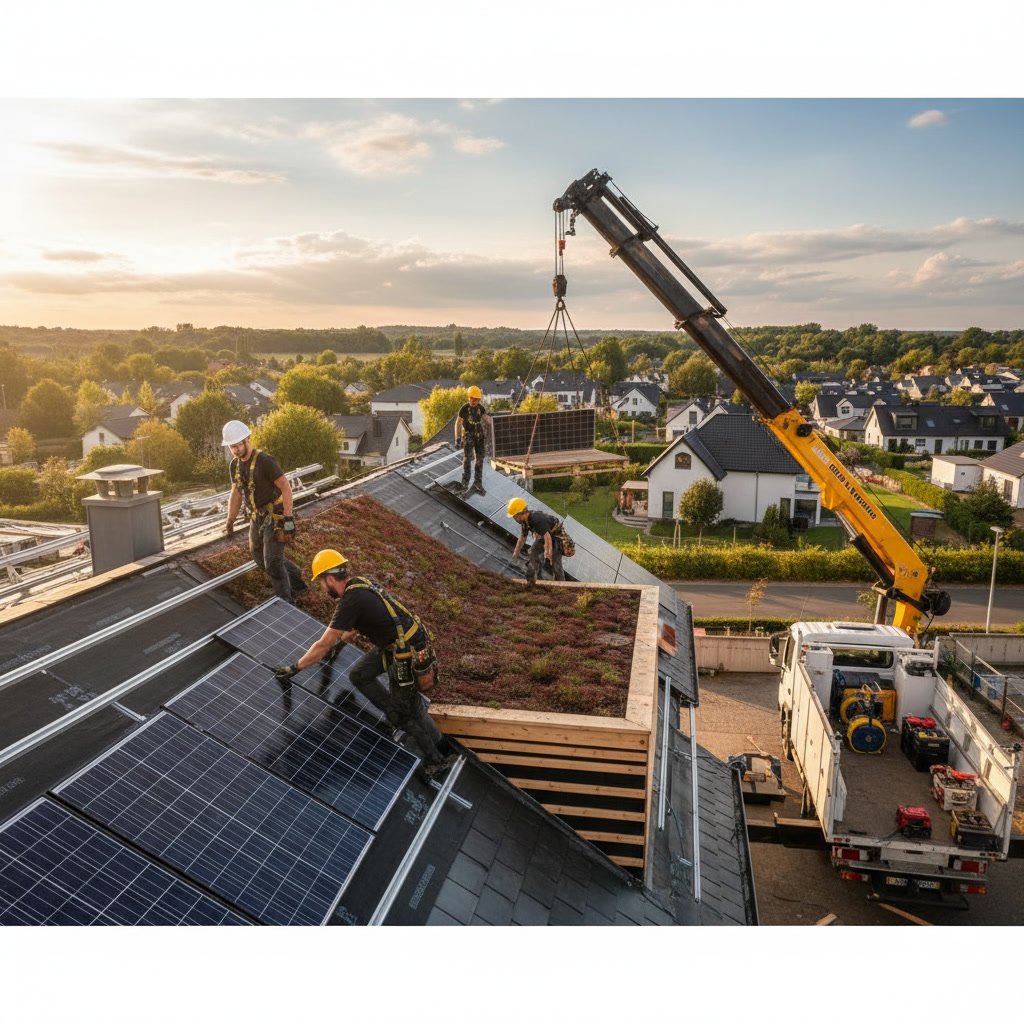
Clear communication prevents misunderstandings and ensures you remain informed throughout the project. Establish expectations upfront about daily progress updates, how the contractor will notify you of unexpected issues, and who makes decisions when plans must change.
Professional contractors document changes with photos and written change orders before proceeding. They answer questions promptly and explain technical issues in understandable terms. Poor communication often signals deeper problems with organization, accountability, and quality control. Sky Metal Roofing LLC maintains open lines of communication throughout every project, ensuring homeowners understand each phase from initial assessment through final inspection.
Making Your Final Decision With Confidence
After gathering estimates, verifying credentials, and checking references, trust your instincts about professionalism and transparency. The lowest bid rarely delivers the best value, while the highest price does not guarantee superior quality. Look for the contractor who provides detailed answers, demonstrates local expertise, and makes you feel confident about the investment.
Quality contractors educate rather than pressure. They explain options clearly, respect your timeline for decisions, and provide references without hesitation. When you find a contractor who checks every box for licensing, insurance, experience, communication, and fair pricing, you have found a partner who will protect your home for decades to come.
Sky Metal Roofing LLC brings licensed expertise and family-owned accountability to every residential and commercial roofing project. Our team serves homeowners throughout the region with transparent pricing, comprehensive warranties, and quality workmanship that stands the test of time. Contact us at +12104120026 to schedule your free estimate and experience the difference that professional service makes.