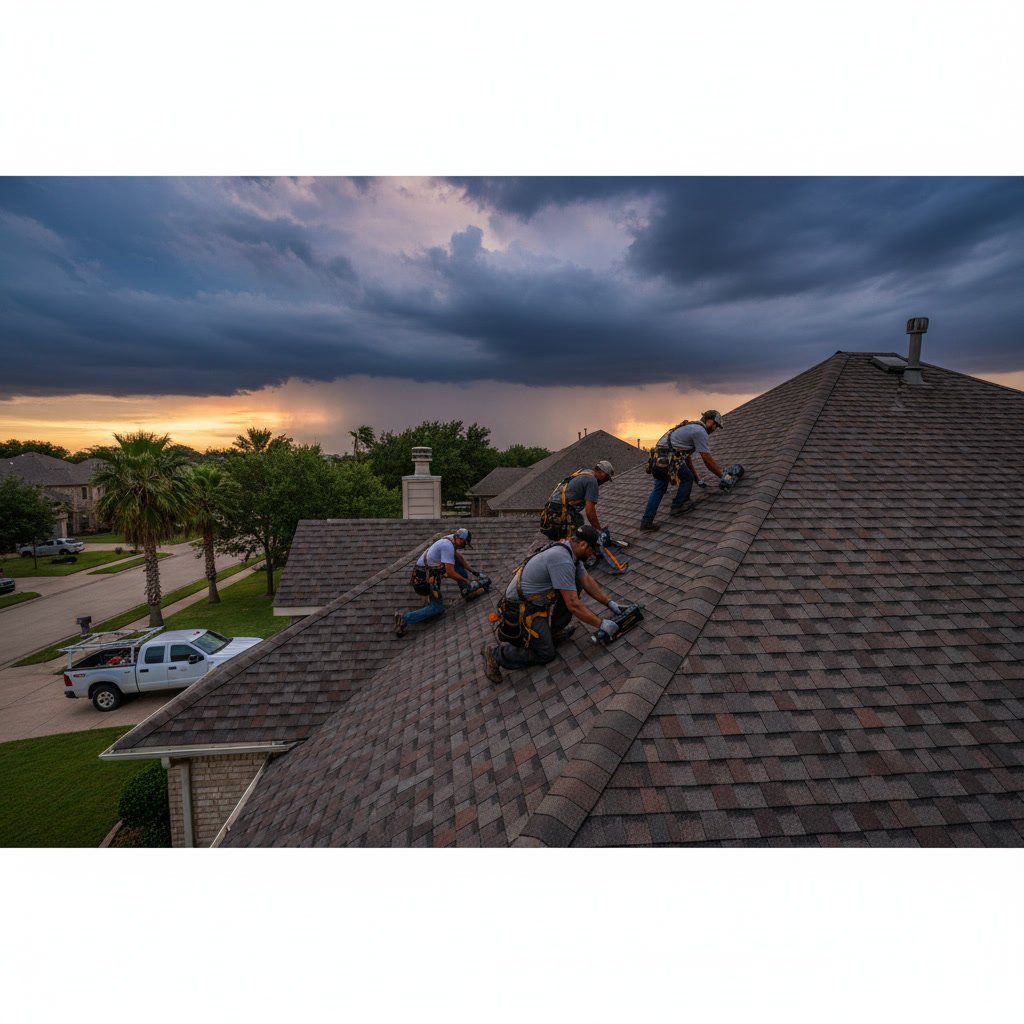
To prepare roof for hurricane season and severe Texas storms, start by scheduling a professional inspection to identify weak points, secure all loose flashing and shingles, clear gutters and drainage systems, trim overhanging branches, and verify your roof deck and fasteners meet current wind uplift codes. Taking these steps three to four weeks before peak storm season gives you time to complete repairs and avoid the rush when warnings are issued.
Texas storms bring a unique combination of threats: high straight-line winds, golf-ball-sized hail, torrential rain, and occasionally hurricane-force conditions along the coast that push inland. Your roof is the first line of defense, and a small vulnerability can turn into catastrophic damage when winds exceed 70 mph or hail pelts down at terminal velocity.
Why Texas Storm Season Demands Different Preparation
Texas weather patterns create storm conditions that differ sharply from other regions. The state sits at the crossroads of Gulf moisture, cold fronts from the north, and dry air from the west. This collision generates severe thunderstorms, tornadoes, and tropical systems that can intensify rapidly.
Central Texas communities face particular risk from sudden hailstorms that form with little warning. A roof that survives winter cold and summer heat may still fail under the impact stress of three-inch hailstones. Wind shear from thunderstorm downdrafts can exceed 100 mph in localized areas, ripping off improperly fastened roofing materials in seconds.
Hurricane season officially runs from June through November, but severe storm potential exists from March through October across the region. That narrow window means preparation cannot wait until warnings are issued.
Understanding Your Roof’s Weak Points in New Braunfels and Surrounding Areas
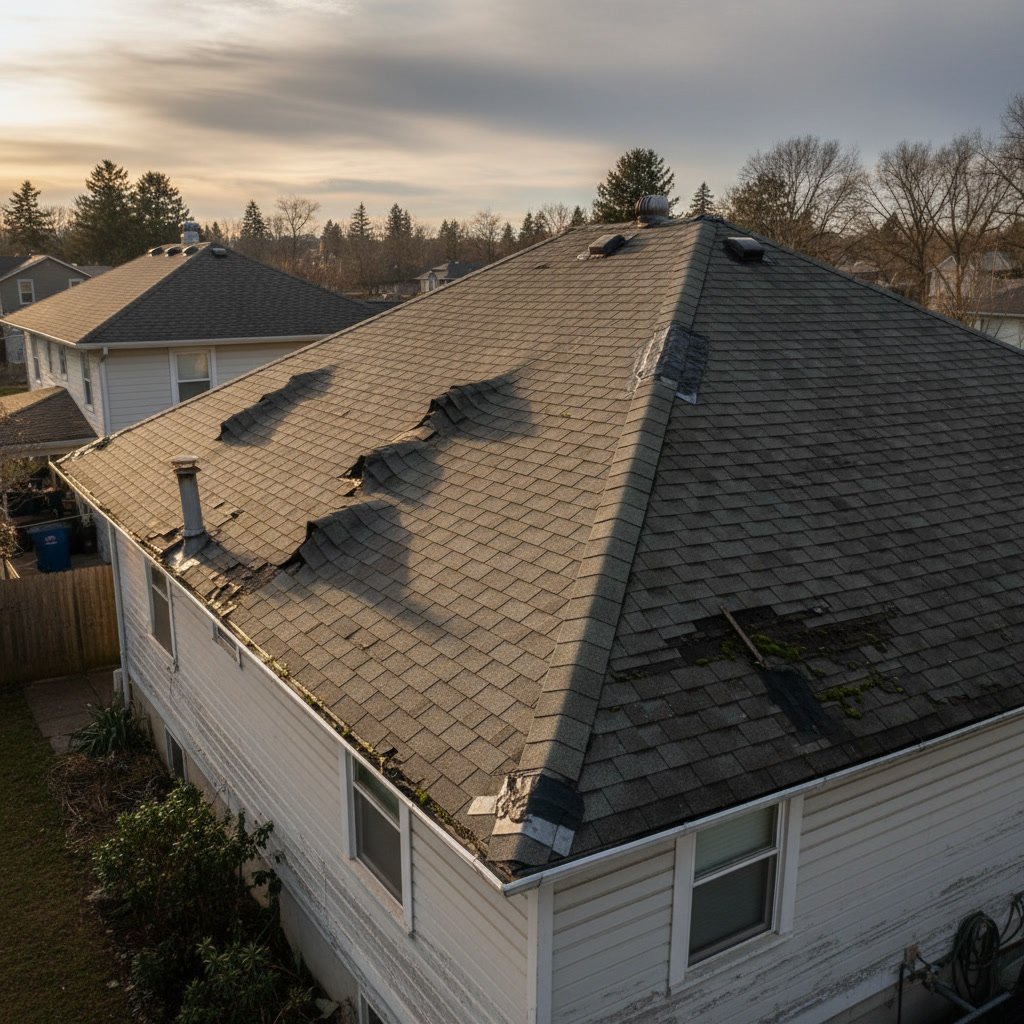
Every roof has vulnerable areas where wind and water find entry during storms. The edges and corners experience the highest wind uplift forces, sometimes three times greater than the central field. Ridge caps, hip lines, and eaves bear the brunt of initial wind impact.
Flashing around chimneys, skylights, and vent pipes creates potential water entry points if sealant has degraded or metal has separated from the roof plane. A gap as small as one-eighth inch can allow gallons of water to penetrate during a heavy downpour.
Older shingle roofs may have fasteners that no longer meet current building codes for wind resistance. Many homes built before 2010 used fewer nails per shingle than modern standards require, leaving the roof susceptible to blow-off in sustained winds above 60 mph. Roof Shingles installed decades ago may have reached the end of their adhesive bond strength, even if the granule surface still looks intact.
Inspection Timeline and What Professionals Look For
Schedule your roof inspection at least four weeks before peak storm season begins in your area. This timing allows you to complete any needed repairs before contractors become overwhelmed with emergency calls.
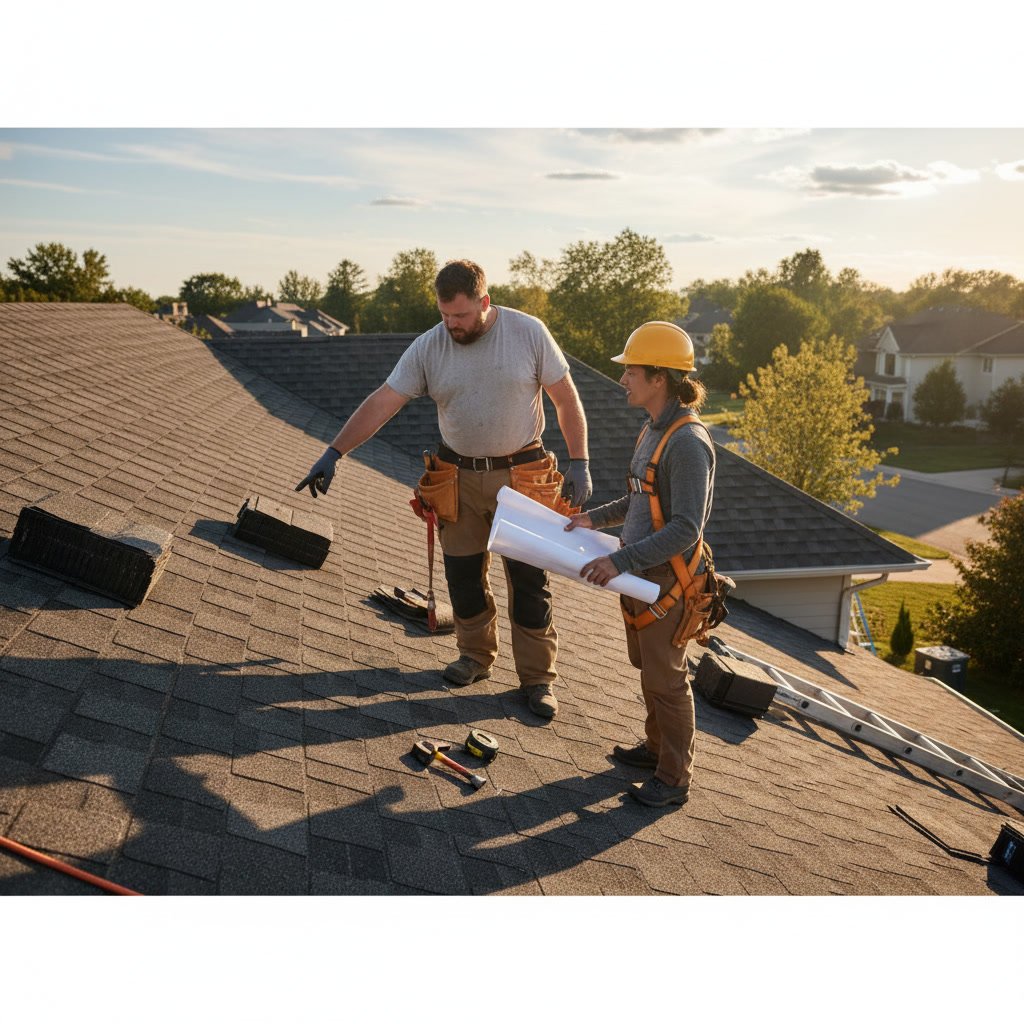
A thorough inspection examines structural components, not just surface condition. Professionals check the roof deck for soft spots or water damage that indicate prior leaks. They measure fastener spacing and penetration depth on existing materials. They verify that flashing is mechanically fastened, not just sealed with caulk.
Inspectors walk the entire roof surface, looking for lifted shingles, exposed nails, cracked sealant, or granule loss patterns that suggest impact damage. They check for proper ventilation, as inadequate airflow weakens roof structure over time and can contribute to premature failure during storms. If you’re unsure whether your roof has hidden damage, understanding how to tell if your roof needs repair or full replacement helps you make informed decisions.
Sky Metal Roofing LLC uses a systematic approach that documents every finding with photos and measurements, creating a clear record for insurance purposes if storm damage occurs later.
Critical Repairs That Must Happen Before Storm Season
Certain roof conditions demand immediate attention because they will fail under storm stress. Loose or missing shingles allow wind to get under the roof surface, turning your entire roof into a potential sail. Once uplift begins, damage spreads rapidly across large sections.
Damaged or improperly installed flashing must be replaced, not simply re-sealed. Caulk alone cannot withstand the water volume and pressure that severe storms generate. Proper flashing requires mechanical fasteners and multi-layer waterproofing.
Soft or spongy areas in the roof deck indicate moisture damage that has compromised structural integrity. These sections will likely fail under the combined stress of wind uplift and water weight during heavy rain. Deck repairs require removing roofing material, replacing damaged sheathing, and reinstalling weatherproofing layers.
Worn or inadequate roof coatings should be refreshed before storms arrive, as they provide an additional barrier against water intrusion and can improve wind resistance on certain roof types.
How Metal Roofing Performs in Severe Weather
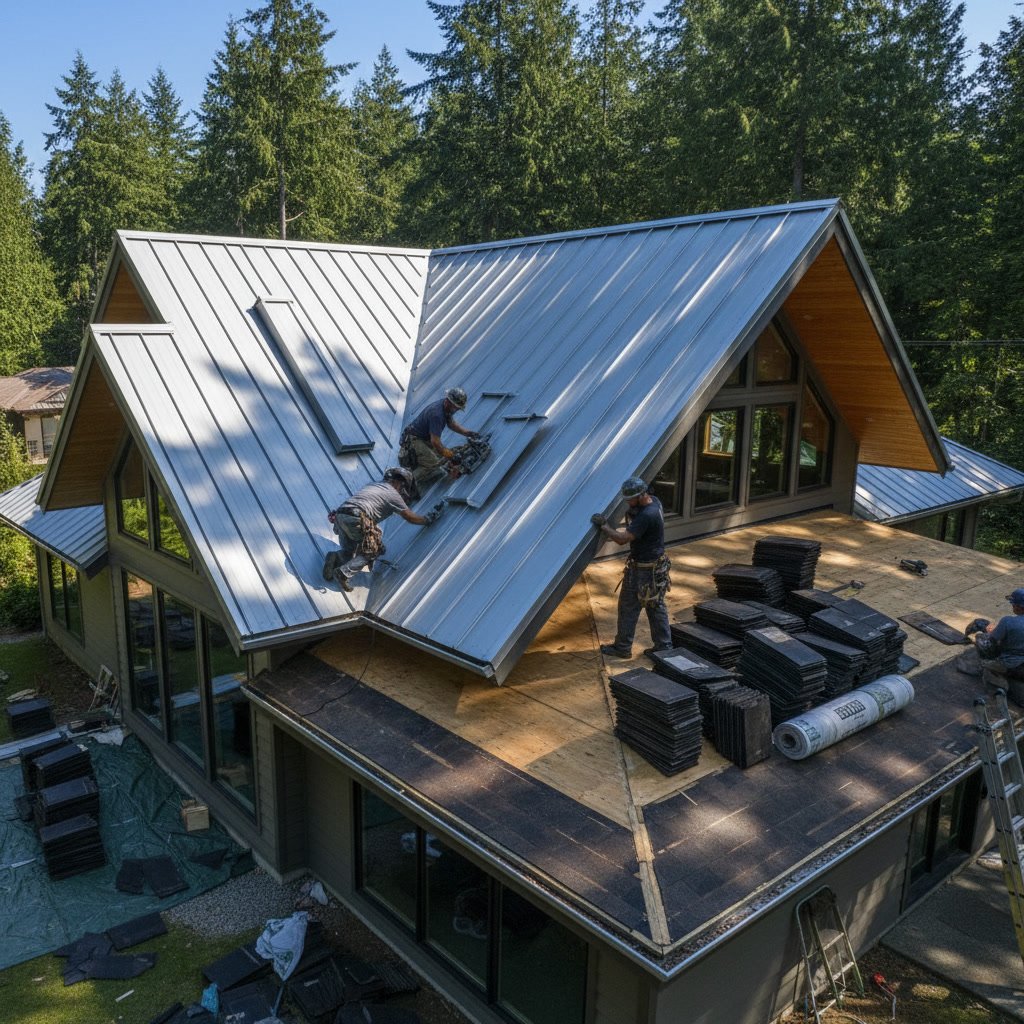
Metal roofing systems offer distinct advantages during hurricanes and severe storms. Interlocking panels resist wind uplift far better than individual shingles because they function as a continuous surface rather than thousands of separate pieces. Properly installed standing seam metal roofs routinely withstand winds exceeding 140 mph.
Impact resistance varies by metal gauge and profile, but most residential metal roofing easily handles hail up to two inches in diameter without puncturing. Dents may occur with larger hail, but the roof remains watertight and functional. Many insurance companies offer premium discounts for metal roofing because of its proven storm performance.
The key to metal roof storm readiness lies in fastener integrity and panel interlocks. Concealed fastener systems eliminate the weak points that exposed screws create. Metal Roofing installations must follow manufacturer specifications precisely, as deviation from recommended fastener spacing or panel overlap can compromise the entire system’s wind rating.
Gutter Systems and Water Management Before Storms
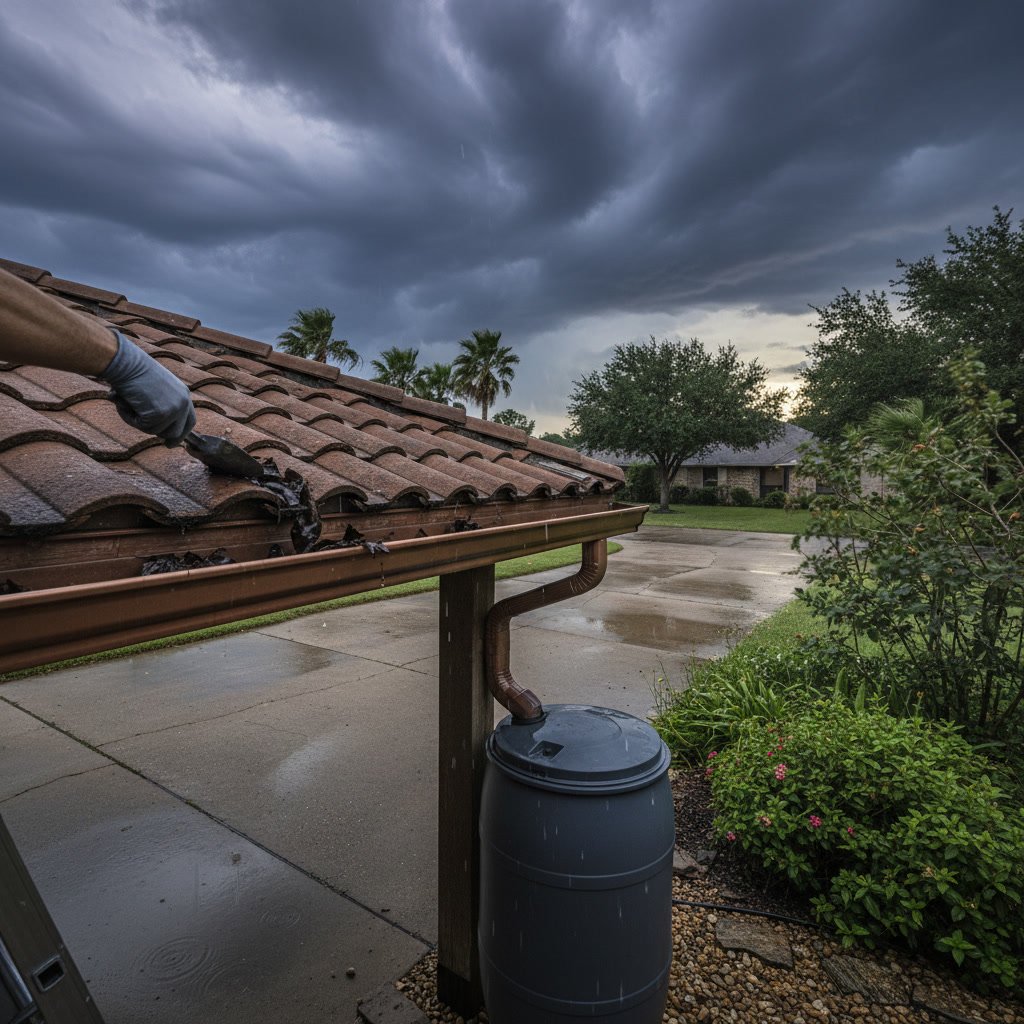
Clogged gutters contribute to roof damage during severe weather by forcing water to back up under shingles or overflow against fascia boards. Clean gutters and downspouts at least twice before storm season, removing all leaves, granules, and debris.
Check that gutters slope properly toward downspouts, with a minimum quarter-inch drop per 10 feet of run. Standing water in gutters indicates improper pitch and will overflow during heavy rain. Verify that all gutter hangers are secure and spaced no more than 24 inches apart.
Downspouts must direct water at least six feet away from your foundation. During storms that dump three to four inches of rain per hour, inadequate drainage can quickly overwhelm your roof and home perimeter. Professional Gutter installation and cleaning services ensure your water management system functions at full capacity when you need it most.
Reinforcement Options for High-Risk Areas
Certain roof zones experience disproportionate stress during severe weather and benefit from targeted reinforcement. Edge metal installed along rakes and eaves provides mechanical attachment that prevents wind from lifting the starter course. This relatively inexpensive upgrade significantly improves overall roof performance.
Hurricane straps or clips connect roof trusses directly to wall framing, creating a continuous load path that resists uplift. While typically installed during construction, they can be retrofitted from the attic in many homes. This structural upgrade may qualify for insurance discounts in high-risk areas.
Roof deck attachment can be improved by adding additional fasteners between existing sheathing nails. Building codes now require specific fastener schedules for high-wind zones, and older homes often fall short of these standards. Adding screws or ring-shank nails at proper spacing transforms an at-risk roof into one that meets current performance criteria.
Proper attic insulation and ventilation also play a role in storm readiness by maintaining consistent roof deck temperature and preventing moisture buildup that weakens structural components over time.
Tree Management and Exterior Preparations
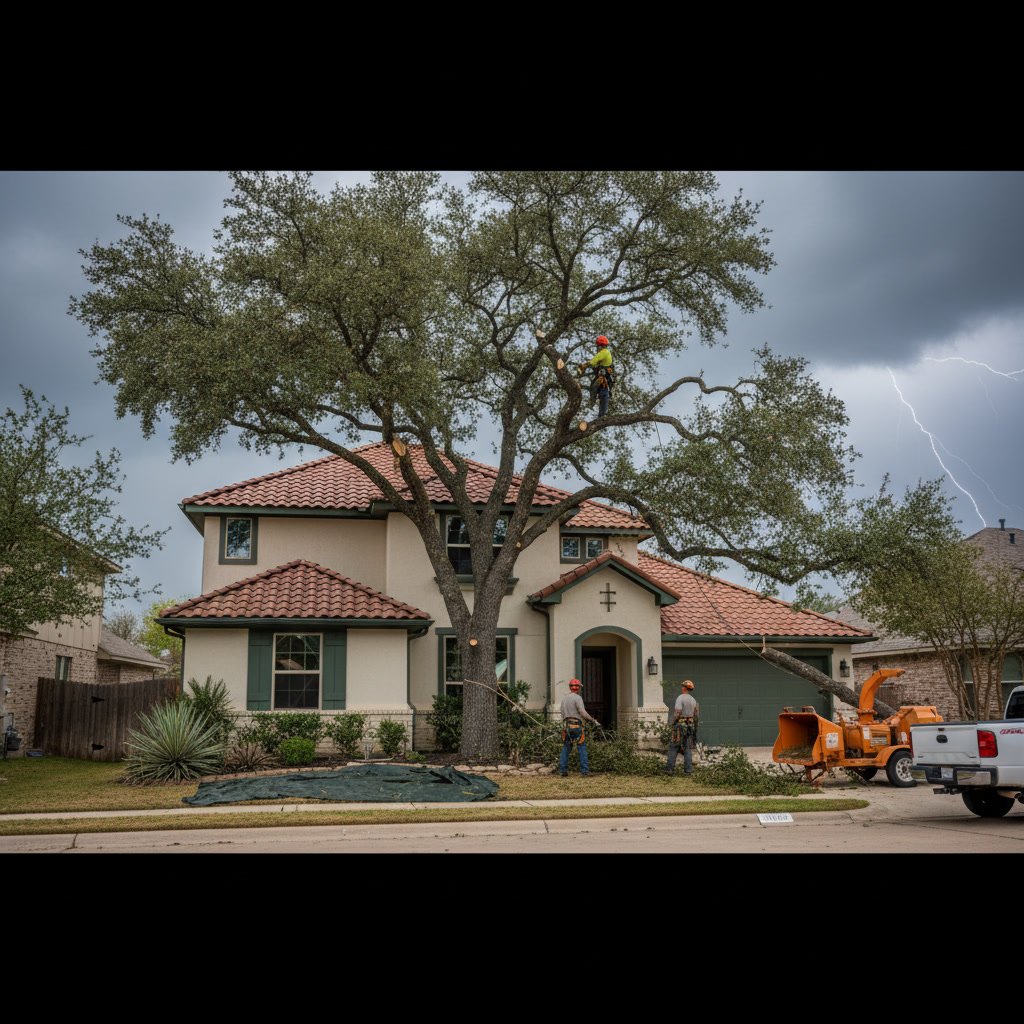
Overhanging branches become battering rams during high winds. Trim all limbs that hang within 10 feet of your roof, paying special attention to dead wood that could break loose. Large trees should be evaluated by a certified arborist who can identify weak branch unions and structural problems not visible from the ground.
Remove loose items from your roof surface, including decorative elements, satellite dishes with worn mounts, or equipment no longer in use. These become projectiles in severe winds and can puncture your roof or neighboring property.
Check that all roof penetrations are properly sealed and secured. Turbine vents should spin freely without wobbling. Plumbing vents need intact boots with no cracks. Skylight maintenance includes checking the curb flashing and verifying that the glass or acrylic remains securely fastened in its frame.
Documentation and Insurance Preparation Steps
Document your roof’s pre-storm condition with detailed photographs from multiple angles. Capture close-ups of problem areas and wide shots showing the overall roof. Date-stamp these images and store them in cloud storage where they’ll remain accessible if your devices are damaged.
Review your homeowner’s insurance policy to understand your wind and hail coverage limits, deductible structure, and claim filing requirements. Many policies require notification within specific timeframes after damage occurs.
Keep records of all maintenance and repairs performed on your roof, including invoices, warranties, and inspection reports. This documentation proves you maintained your property properly, which can prevent coverage disputes if you need to file a claim. Sky Metal Roofing LLC provides comprehensive documentation with every service for exactly this purpose.
Understand that you’ll likely need professional help after major storms. Having a relationship with a contractor before disaster strikes means you won’t be searching for help when thousands of others are doing the same. Companies that offer Insurance Claim Support can navigate the documentation and adjuster process more efficiently than homeowners working alone.
What to Do When Storm Warnings Are Issued
When severe weather warnings are issued for your area, conduct a final exterior check if time permits and conditions are still safe. Look for any items that could blow onto your roof or become airborne debris. Secure patio furniture, grills, and lawn equipment.
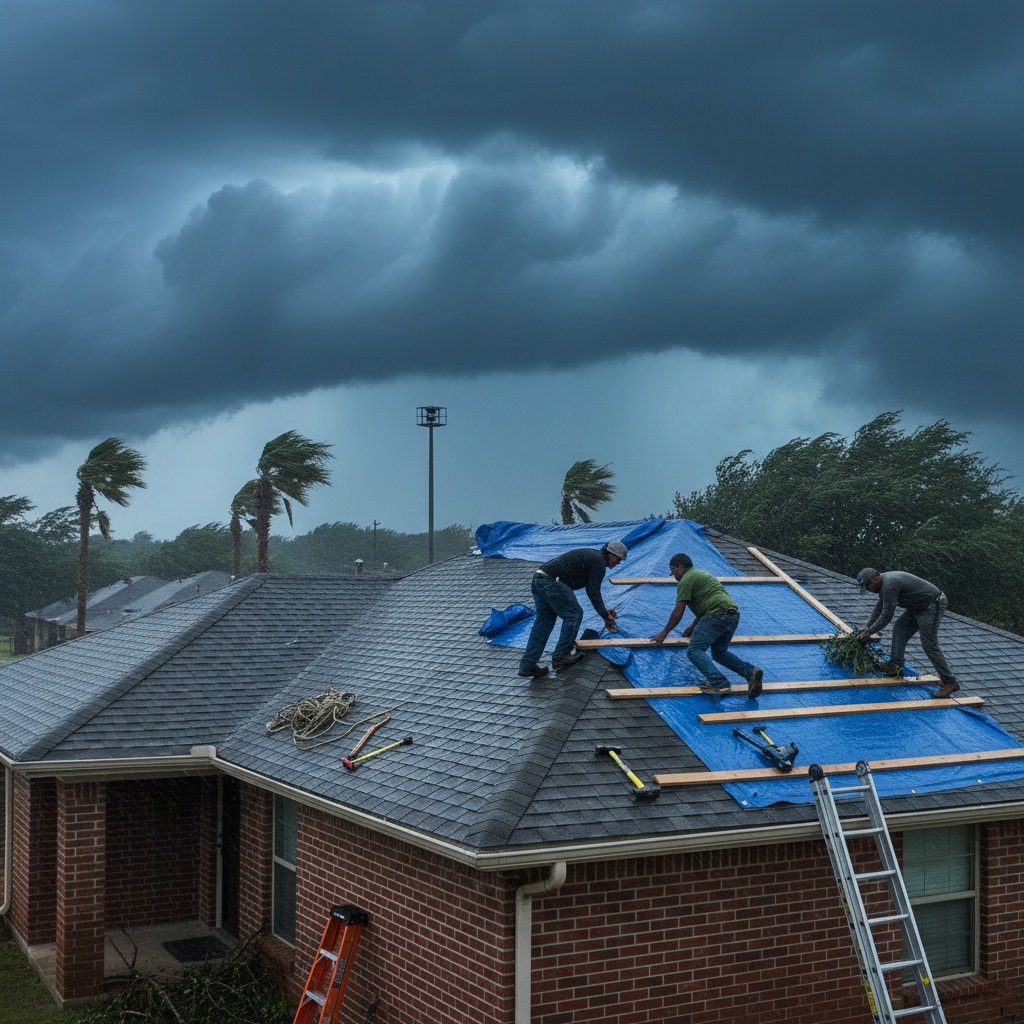
Do not attempt roof repairs or access once wind speeds exceed 20 mph. The risk of falls or injury far outweighs any benefit. If you discover problems at this stage, document them but wait for safe conditions before taking action.
Clear your interior spaces beneath known roof vulnerabilities. Move valuables, electronics, and important documents away from areas where leaks are most likely. Place buckets or tarps as a precaution in attic spaces where you’ve previously noticed moisture issues.
Know your emergency contacts, including your roofing contractor, insurance agent, and storm damage recovery services. Having these numbers readily available saves critical time when urgent situations develop.
Protecting Your Home Starts Above
Storm preparation separates homes that weather severe conditions with minor issues from those that suffer major damage and costly repairs. A systematic approach to inspection, repair, and reinforcement gives your roof the best chance of performing when nature tests it.
The investment in pre-storm preparation pays dividends in avoided damage, lower insurance costs, and peace of mind when warnings are issued. Roofs that receive proper maintenance and timely repairs consistently outperform neglected ones by years or even decades.
If your roof hasn’t been professionally evaluated in the past year or you’ve noticed signs of wear, now is the time to address them before the next severe weather event. Professional roofing contractors have the expertise to identify vulnerabilities you might miss and the tools to make repairs that will hold under stress. Call +12104120026 to schedule your storm readiness inspection and ensure your roof is prepared for whatever Texas weather brings.