Before you sign any roofing contract, you need clear answers to protect your home and budget. The right questions to ask roofer candidates help you identify licensed professionals, verify insurance coverage, understand warranties, and avoid costly surprises. Asking about project timelines, material specifications, payment schedules, and references separates reputable contractors from those you should avoid.
Why the Pre-Contract Conversation Matters
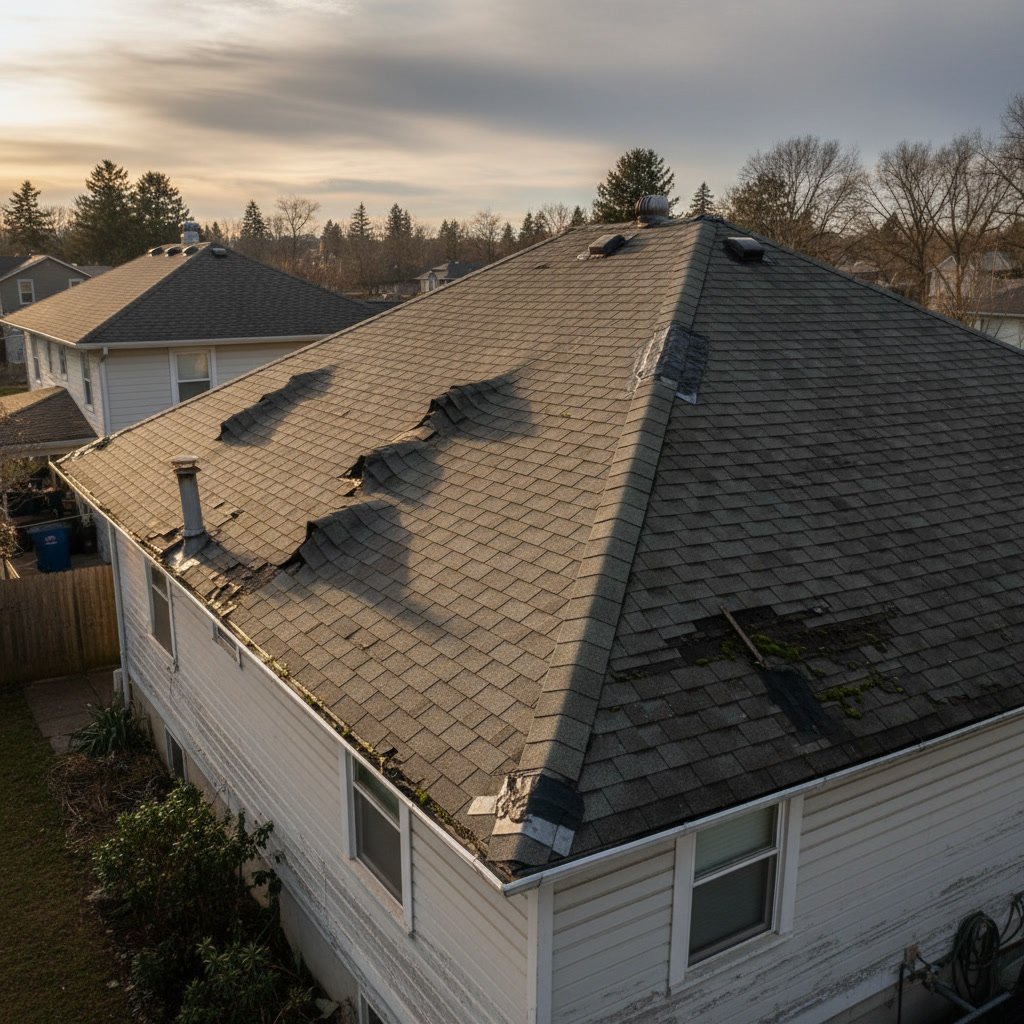
Your roof represents one of the largest investments in your property. A poorly executed project can lead to leaks, structural damage, and thousands of dollars in repairs. The conversation you have before signing determines whether you work with a contractor who stands behind their work or one who disappears after collecting payment.
Many homeowners skip crucial questions because they feel pressured to decide quickly or assume all contractors operate the same way. That assumption costs them later when disputes arise over materials, timelines, or warranty coverage. Taking time to ask detailed questions now saves you from legal battles and expensive fixes down the road.
Licensing and Insurance Verification
Start by confirming the contractor holds a valid license in your state. Ask for the license number and verify it through your state licensing board. Unlicensed contractors cannot legally pull permits, and their work may violate local building codes.
Request proof of both general liability insurance and workers’ compensation coverage. General liability protects your property if the crew damages your siding, windows, or landscaping. Workers’ compensation covers medical costs if a crew member gets injured on your property. Without these policies, you become personally liable for accidents and damage.
Ask for certificates of insurance directly from the insurance company, not copies the contractor provides. Some contractors show expired or fraudulent certificates. A legitimate contractor will have no problem arranging for their insurer to send you current documentation.

Understanding Material Specifications
Ask exactly which materials the contractor plans to use, including brand names, product lines, and grade levels. Generic descriptions like “premium shingles” or “quality metal panels” mean nothing without specifics. The contract should list manufacturer names, model numbers, thickness specifications, and color selections.
Request samples or product literature for every material. Compare these specifications against manufacturer recommendations for your climate and roof pitch. A contractor suggesting 25-year shingles when your roof needs 30-year architectural grade may be cutting corners to win your business at a lower bid.
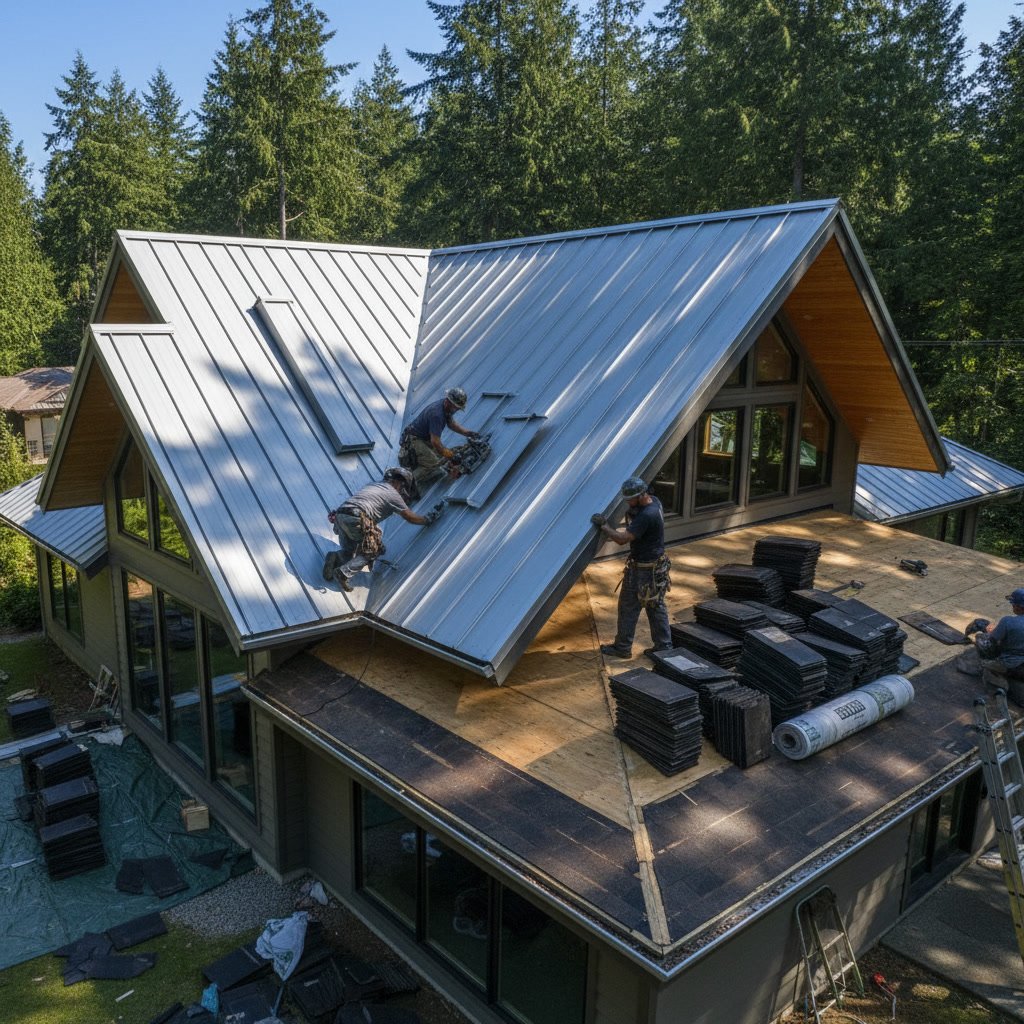
If you are considering metal roofing, ask about panel gauge, coating type, and fastener systems. These details affect longevity and performance. Similarly, if the project includes attic insulation or gutter installation and cleaning, verify the R-value ratings and gutter material specifications.
Project Timeline and Schedule Details
Ask for a realistic start date and completion timeline. A professional contractor provides a written schedule showing when the crew arrives, how many days the work takes, and what happens if weather delays the project. Understanding how long a professional roof installation takes helps you plan around the disruption.
Find out how many jobs the contractor runs simultaneously. If they juggle ten projects at once, your job may sit idle for days between work phases. Ask whether the crew works weekends and how they handle weather delays.
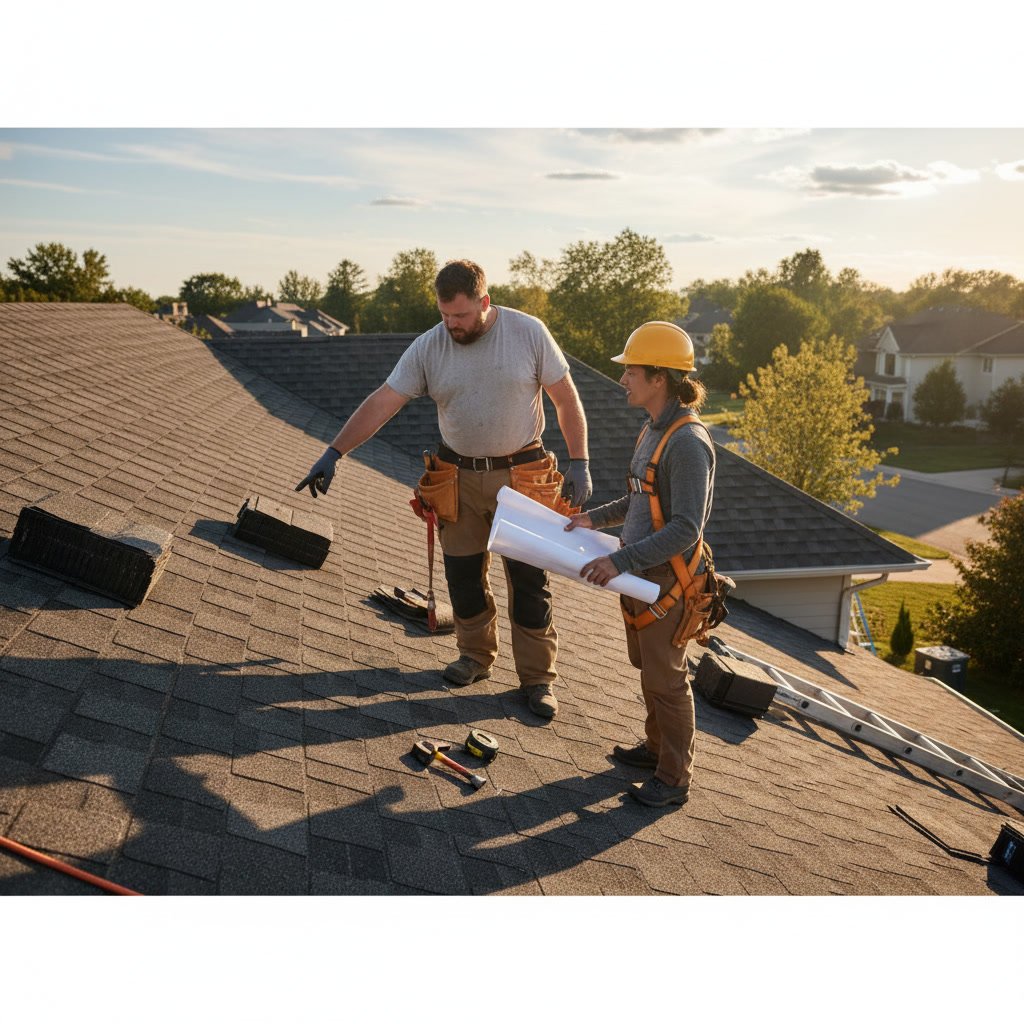
Request the name of the project supervisor and a direct contact number. You need someone to call when questions arise during construction, not a general office line where you leave messages that go unanswered.
Payment Terms and Schedule Breakdown
Never pay the full amount upfront. Legitimate contractors typically request a deposit of 10 to 25 percent to order materials, with remaining payments tied to project milestones. Be wary of contractors demanding 50 percent or more before starting work.
Ask for a detailed payment schedule showing exactly what percentage you pay at each phase: after materials arrive, after tear-off completion, after installation, and after final inspection. The contract should specify that final payment comes only after you approve the completed work and receive all required documentation.
Clarify which payment methods the contractor accepts. Some require certified checks or cash, which offer you no protection if disputes arise. Credit cards and checks provide paper trails and dispute resolution options.
Warranty Coverage and Claim Procedures
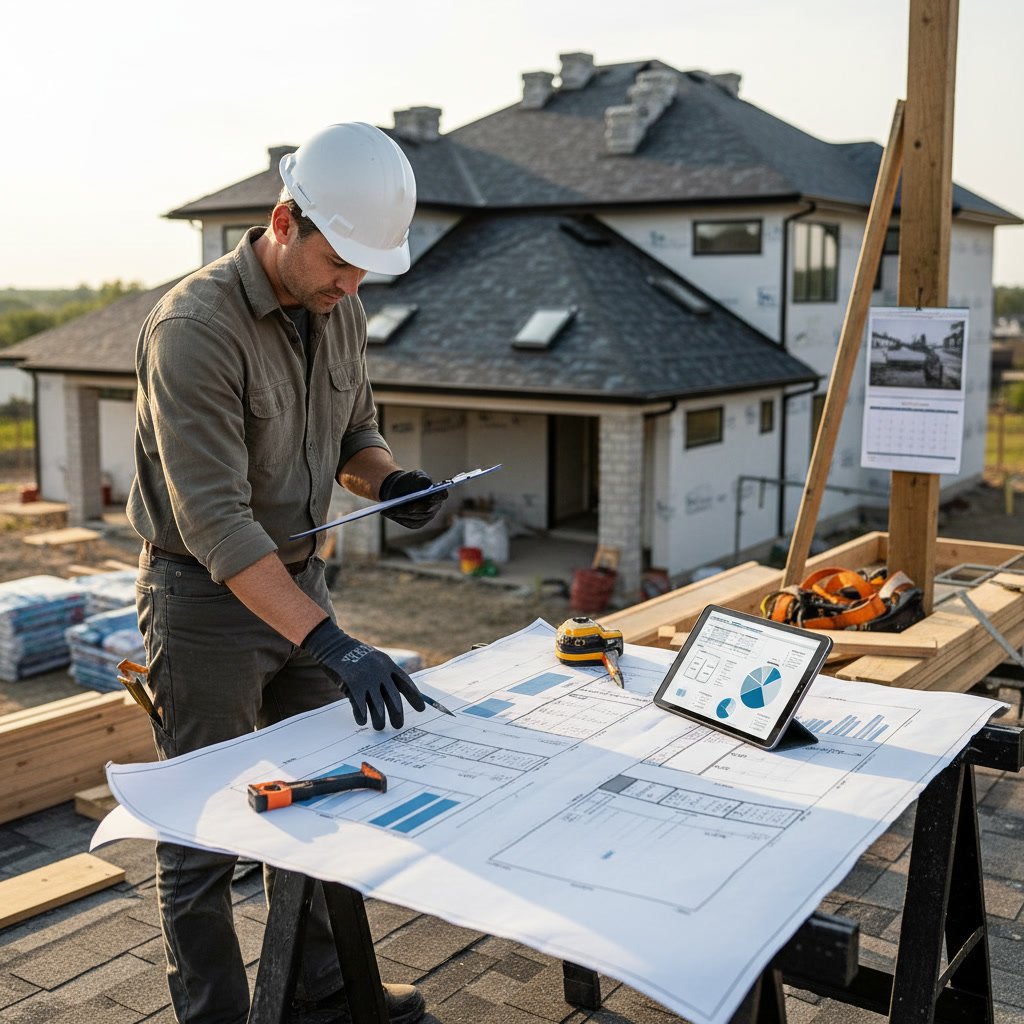
Ask about both manufacturer warranties on materials and workmanship warranties from the contractor. These are separate coverages. A manufacturer warranty might cover defective shingles for 30 years, but the contractor’s workmanship warranty covers installation errors for a much shorter period.
Request written warranty documentation before signing the contract. Read the fine print to understand what voids coverage. Some warranties become invalid if you hire a different contractor for future repairs or if you fail to schedule periodic inspections.
Find out how to file a warranty claim and how quickly the contractor responds. A warranty means nothing if the company refuses to return calls when you discover a leak two years later. Ask for examples of how they have honored warranties for past customers.
Permit Handling and Code Compliance
Ask who obtains building permits and whether permit costs are included in the bid. Reputable contractors pull permits in their own name because they know their work meets code requirements. If a contractor suggests skipping permits to save money, find someone else.
Verify that the contractor schedules required inspections with your local building department. Most jurisdictions require inspections at specific project phases. If the work fails inspection, ask who pays for corrections and whether those costs come from the contractor’s profit or get added to your bill.
Request copies of all permits and inspection reports for your records. These documents prove the work was completed legally, which protects you during future home sales or insurance claims.
Subcontractor and Crew Information
Ask whether the contractor uses subcontractors or employs their own crews. Subcontractors add complexity because you need to verify their insurance and qualifications separately. If the general contractor hires uninsured subs, you may be liable for their accidents.
Find out how long crew members have worked for the company and what training they have received. Experienced crews complete work faster and make fewer mistakes than constantly rotating temporary workers.
Clarify who supervises the crew daily. Some contractors send crews to your property without on-site supervision, leading to quality control problems. A supervisor should check work quality throughout each day, not just at project completion.
Cleanup and Disposal Procedures
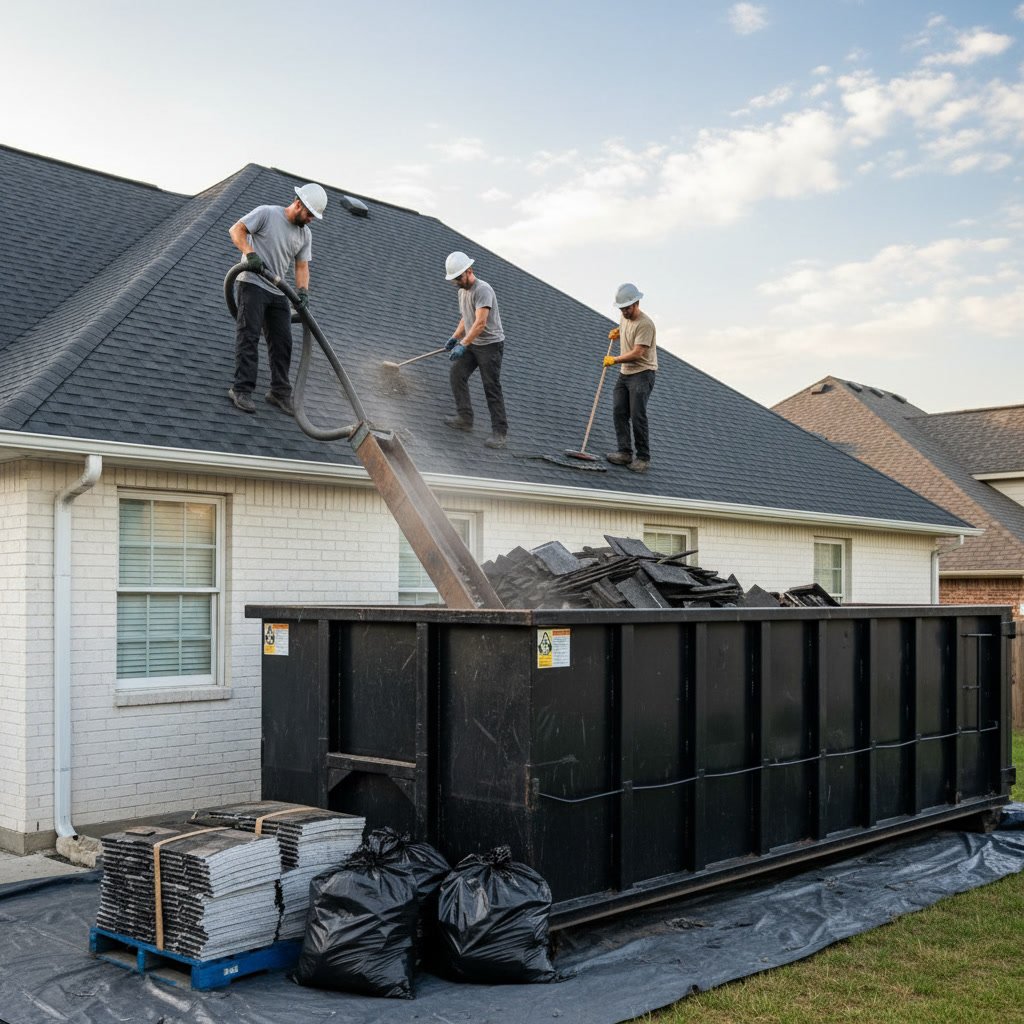
Ask how the contractor handles debris removal and site cleanup. Tearing off an old roof generates tons of waste, including nails, shingles, and damaged wood. The contract should specify daily cleanup procedures and final site restoration.
Find out whether the contractor uses tarps to protect landscaping, magnetic rollers to collect nails, and dumpsters positioned to avoid damage to your driveway. Nail punctures to vehicle tires are common complaints when contractors skip thorough cleanup.
Verify that disposal costs are included in the bid. Some contractors quote low prices but add dump fees and cleanup charges as separate line items after work begins.
References and Past Project Examples in New Braunfels
Request at least three recent references from projects similar to yours in size and scope. Contact these references and ask specific questions about timeline accuracy, budget adherence, cleanup quality, and how the contractor handled unexpected problems.
Ask to see photos of completed projects or visit job sites in your area. A contractor working in New Braunfels should have multiple local examples you can verify. Seeing finished work helps you evaluate quality standards and attention to detail.
Check online reviews on multiple platforms, not just the contractor’s website. Look for patterns in complaints. One negative review about scheduling may be an outlier, but ten complaints about the same issue indicate a systemic problem. For specialized work like storm damage recovery or specialized roof services, ask for references from similar projects.
What Happens When Problems Arise
Ask how the contractor handles disputes, delays, or unexpected structural problems discovered during tear-off. A professional contractor outlines clear procedures for change orders, explaining how modifications to the original scope get priced and approved.
Find out whether the contract includes an arbitration clause or requires disputes to go through small claims court. Understanding the dispute resolution process before signing protects you if the relationship sours.
Clarify response times for emergency issues. If a storm damages the partially completed roof overnight, you need to know the contractor will return immediately with tarps and temporary protection, not make you wait three days while they finish other jobs.
Making Your Decision With Confidence
The answers you receive to these questions reveal whether a contractor runs a professional operation or cuts corners to maximize profits. Contractors who provide detailed, written responses to every question demonstrate the transparency and accountability you need for a successful project. Those who dodge questions, pressure you to sign quickly, or provide vague answers signal future problems.
Take time to compare multiple bids using the same evaluation criteria. The lowest price rarely delivers the best value when that contractor skips insurance coverage, uses inferior materials, or employs inexperienced crews. Understanding exactly what each bid includes helps you make an informed choice based on quality, not just cost.
Sky Metal Roofing LLC provides detailed answers to all your roofing questions and delivers transparent contracts that protect your investment. Our family-owned team serves homeowners throughout the greater San Antonio area with licensed, insured professionals who stand behind every installation and repair. Schedule your free consultation by calling +12104120026 to discuss your project with experienced contractors who put your needs first.