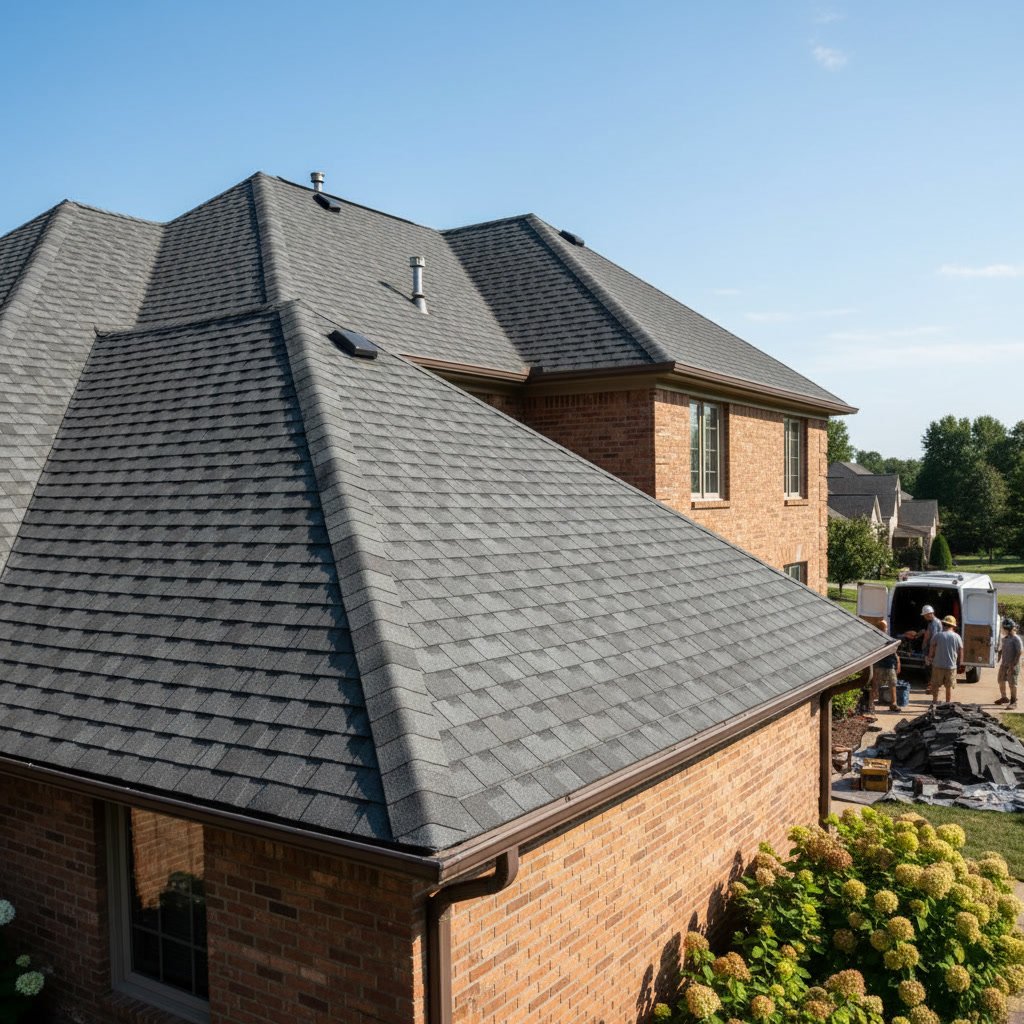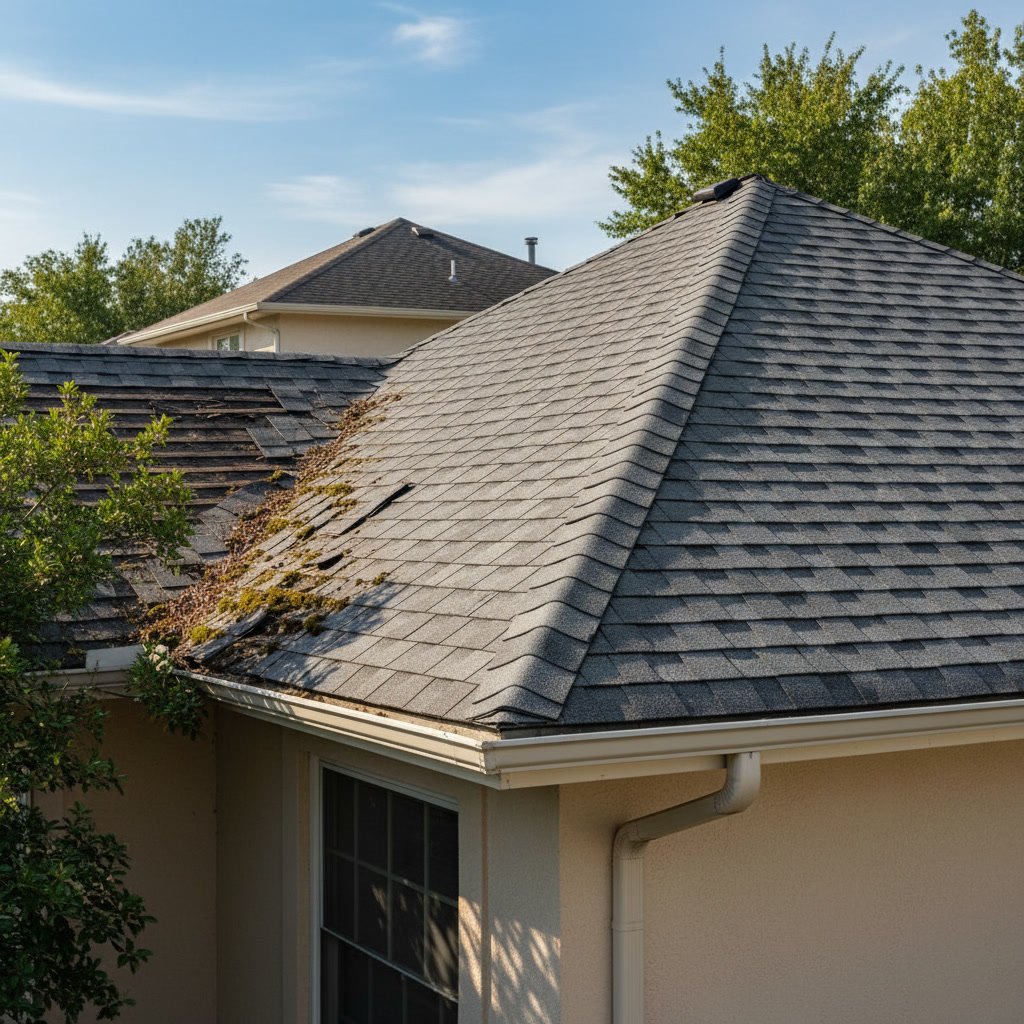
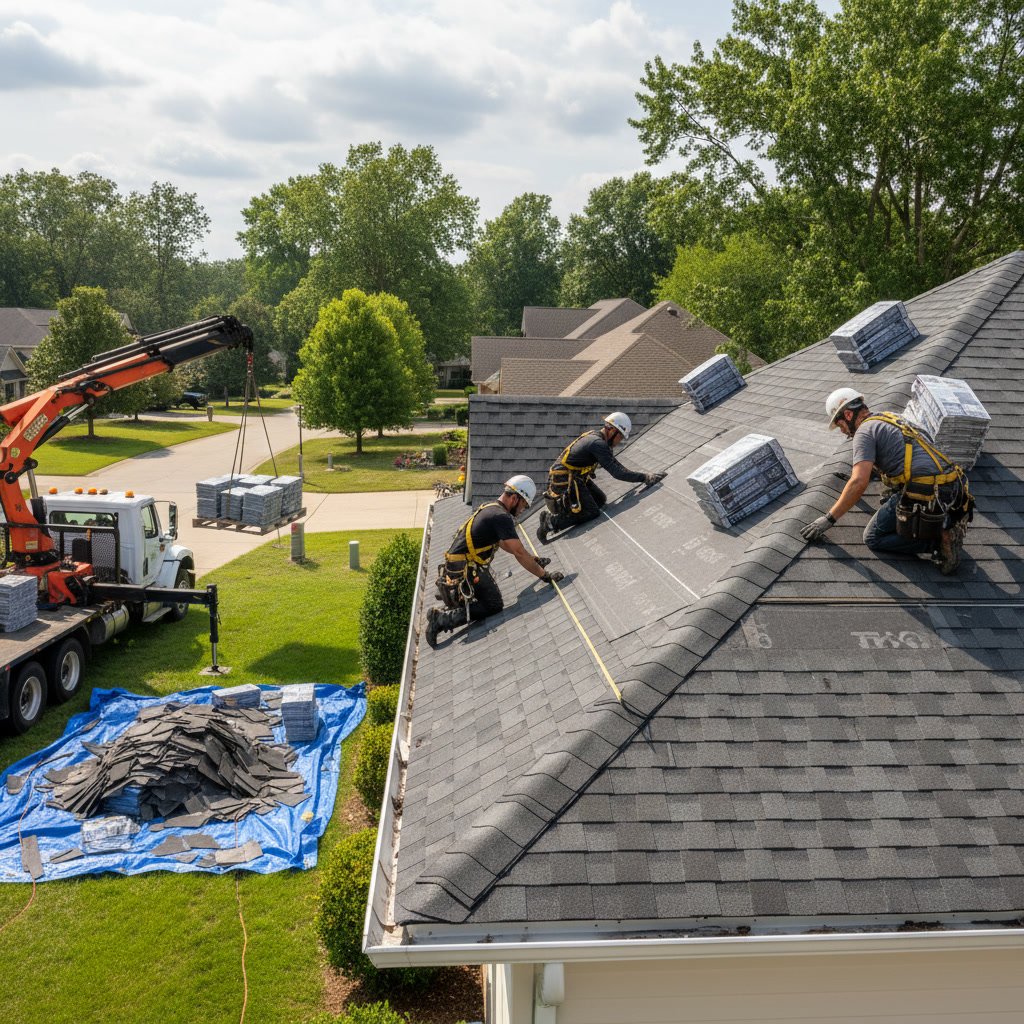
Proper roof installation creates multiple layers of defense that channel water away from your home’s structure, prevent moisture infiltration at vulnerable joints, and maintain the integrity of underlayment materials that form your last line of defense. When installers follow manufacturer specifications for overlap, fastener placement, and flashing integration, they eliminate the gaps where water typically finds entry points. Professional techniques ensure each component works together as a complete water management system rather than isolated parts that leave weak spots.
Why Water Damage Ranks Among the Costliest Home Repairs
Water intrusion doesn’t announce itself with dramatic floods in most cases. A single missing shingle or improperly sealed valley can allow moisture to seep into decking, insulation, and framing for months before you notice ceiling stains or mold growth. The average water damage insurance claim exceeds $11,000, and that figure doesn’t account for losses insurers deny due to maintenance issues or gradual damage.
Structural wood loses 50% of its load-bearing capacity when moisture content reaches just 20%. Roof decking that stays damp creates perfect conditions for rot, which spreads to rafters and trusses. By the time you see interior damage, the hidden destruction often requires extensive structural repairs that far exceed the cost of correct installation from the start.
The Foundation of Water Protection Starts Below the Surface
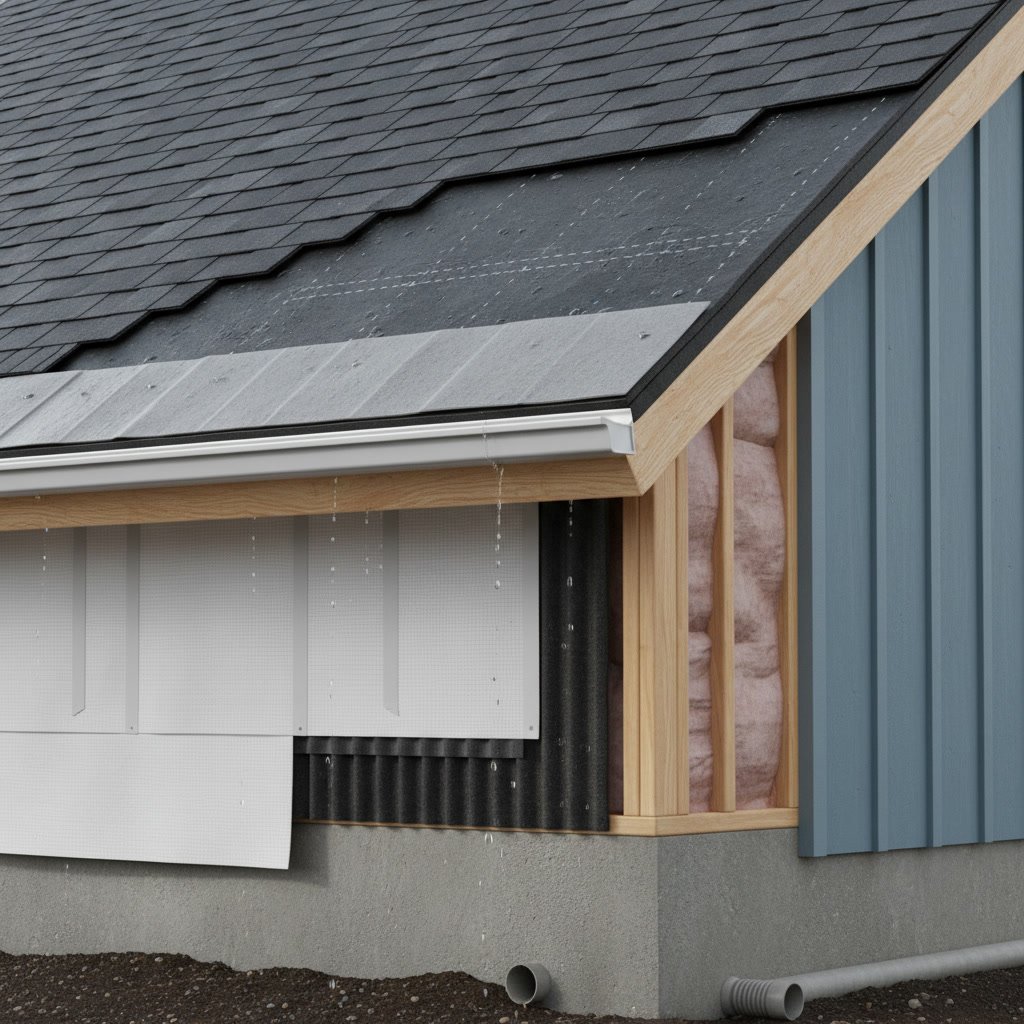
Most homeowners never see the underlayment that sits between roof decking and the visible shingles or panels, yet this membrane serves as your critical backup barrier. Quality installations use synthetic underlayment rated for your climate rather than basic felt paper that degrades in heat and tears easily during application.
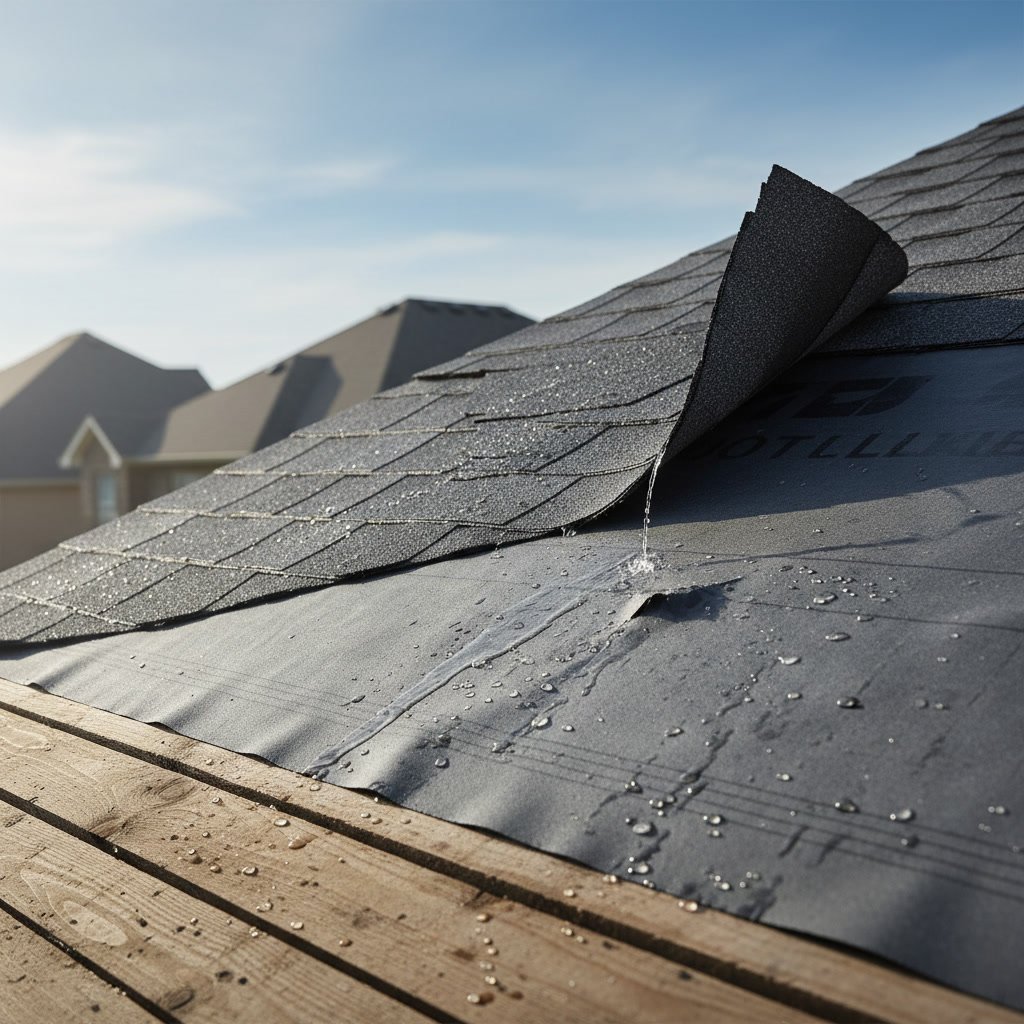
Installers who rush through underlayment application create wrinkles, gaps, and insufficient overlap at seams. Water follows gravity and capillary action, meaning it can travel horizontally along a wrinkle for several feet before dropping through to the decking below. Proper technique requires pulling the material taut, securing it with the correct fastener spacing, and overlapping each course by at least four inches at horizontal seams and six inches at vertical seams.
Flashing Installation Determines Where Your Roof Will Fail or Hold
Every roof penetration, valley, and wall intersection creates a potential entry point for water. Flashing metal channels moisture away from these vulnerable spots, but only when shaped, secured, and integrated correctly with surrounding materials. Step flashing at chimneys must weave between each shingle course rather than sitting as a continuous strip. Counter flashing embeds into masonry joints to prevent water from running behind the step flashing below.
Valley flashing demands particular attention because it concentrates water flow from two roof planes into a single channel. Open valleys using metal flashing shed water faster than woven or cut valleys, reducing the risk of ice dams in winter and handling heavy rainfall more effectively. The flashing must extend at least seven inches up each side of the valley and sit on top of ice and water shield for complete protection.
Fastener Placement and Penetration Depth Matter More Than You Think
Every nail or screw that secures roofing material creates a hole through your weather barrier. Experienced installers drive fasteners at the manufacturer-specified depth, in the designated zones, and at the required spacing. Overdriven nails crush the shingle material and create depressions where water pools. Underdriven fasteners leave gaps that allow wind-driven rain to penetrate.
The nailing zone on architectural shingles sits approximately one inch below the adhesive strip. Fasteners placed too high fail to secure the overlapping shingle above. Those placed too low penetrate the visible portion and create obvious leak points. Professional roof replacement and installation teams use nail guns with depth adjustments calibrated for each material type and account for decking density variations.
How Proper Ventilation and Drainage Work Together
Water damage doesn’t only come from external rain. Condensation forms when warm, humid air from your living space meets cold roof decking. Without adequate ventilation moving air through the attic space, this moisture accumulates on the underside of decking and drips onto insulation. The saturated insulation loses its R-value and holds moisture against wood framing.
Balanced intake and exhaust ventilation creates continuous airflow that removes moisture-laden air before condensation occurs. Ridge vents paired with soffit vents establish this balance, but only when installers avoid blocking soffit vents with insulation and cut ridge vent openings to the full width specified. Proper attic insulation installation includes baffles that maintain clear airflow channels from soffit to ridge.
Critical Installation Standards for New Braunfels Climate Conditions
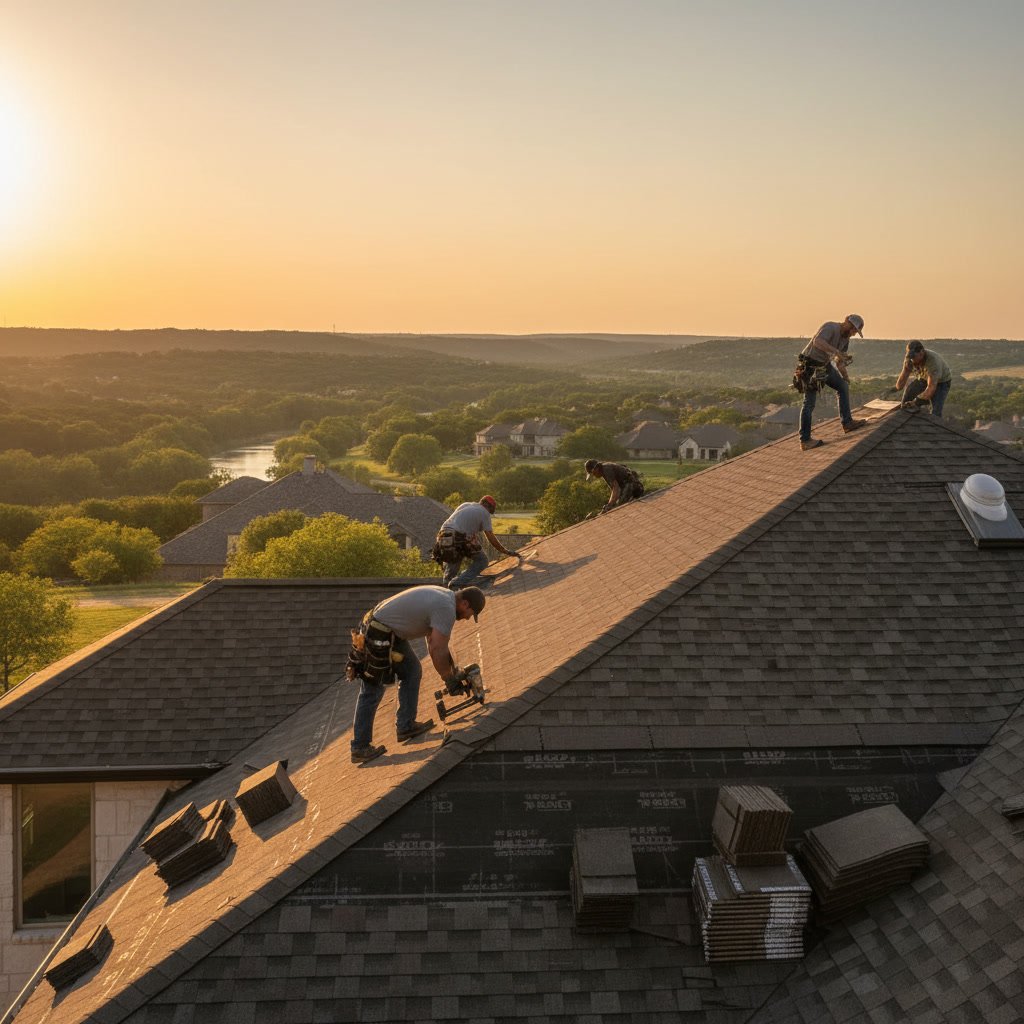
Central Texas weather patterns create unique challenges that require installation adaptations. Summer temperatures exceeding 100 degrees cause asphalt shingles to become pliable, increasing the risk of fastener overdriving and adhesive strip activation during installation. Professional crews install during morning hours when temperatures allow proper sealing without material distortion.
The region’s intense UV exposure degrades sealants and flashing materials faster than in northern climates. Installations must use high-temperature sealants rated for sustained heat exposure and metal flashing with factory-applied finishes rather than bare galvanized steel that oxidizes quickly. Metal roofing systems with concealed fasteners eliminate the penetration points that cause most leak issues in extreme heat.
Five Installation Mistakes That Guarantee Future Leaks
Certain errors appear minor during construction but create inevitable failure points. Mixing fastener types within a single installation introduces galvanic corrosion when dissimilar metals contact in the presence of moisture. Aluminum flashing against steel nails corrodes within three to five years, leaving holes where solid material once existed.
Installing shingles in cold weather below 40 degrees prevents the adhesive strips from bonding. These shingles rely entirely on mechanical fasteners and blow off in moderate winds. The gaps left behind allow direct water entry with no backup protection.
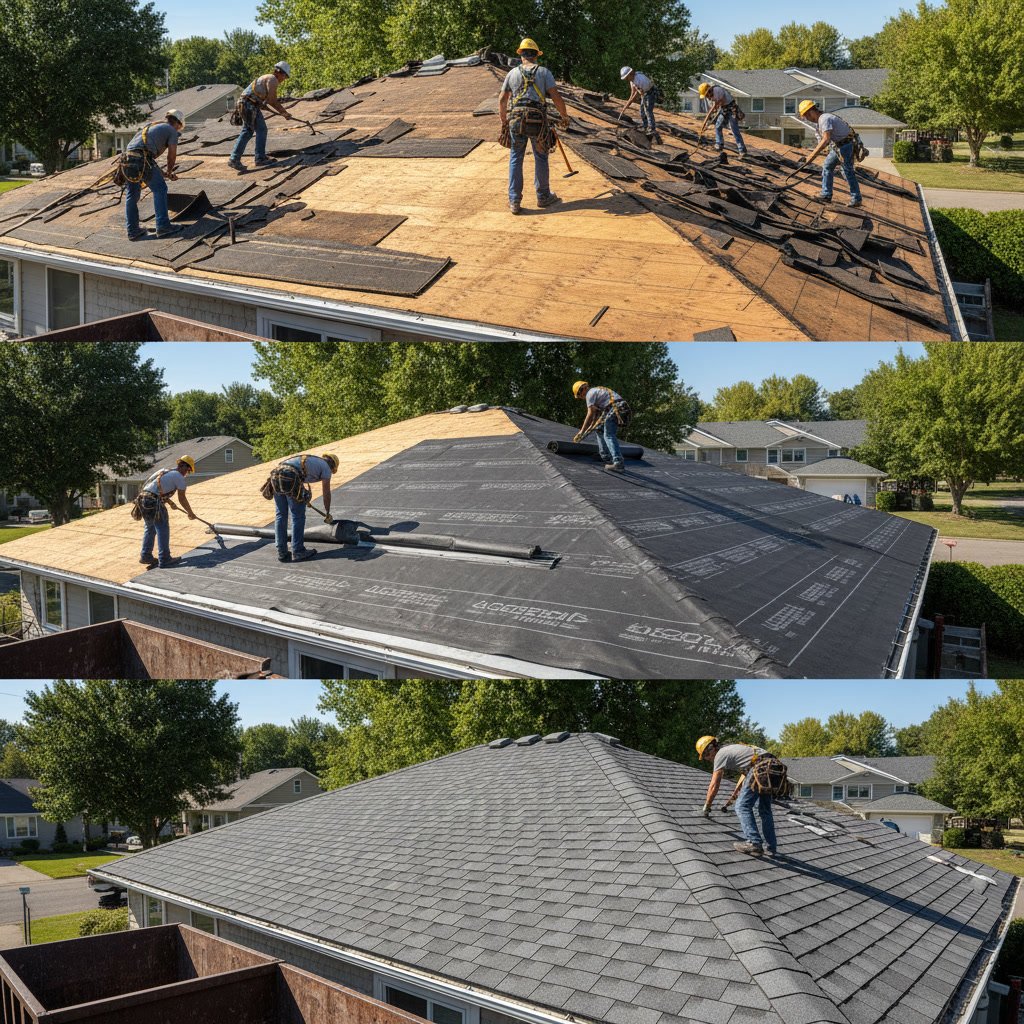
Failing to remove old roofing layers before installing new material creates an uneven surface that prevents proper fastener seating and water drainage. Building codes in most areas limit roofs to two layers specifically because additional weight and irregularity compromise the entire assembly.
Reusing old flashing during replacement saves minimal cost but guarantees problems. Once bent and fastened, flashing metal develops stress points and fastener holes that cannot seal properly when reused. New roofing services should include complete flashing replacement at every penetration and transition.
Improper starter strip installation at roof edges allows wind to lift shingle corners, and the exposed edge admits water that wicks horizontally under subsequent courses. The starter strip must overhang the drip edge by three-quarters of an inch and use sealant at the overlap with the first full course.
The Connection Between Gutters and Roof Water Management
Even perfectly installed roofing fails to protect your home if water isn’t carried away from the foundation after leaving the roof surface. Gutters capture concentrated runoff from valleys and eaves, but only when properly sized for your roof area and rainfall intensity. Undersized gutters overflow during heavy rain, dumping water directly against foundation walls.
Gutter placement matters as much as capacity. Systems must mount with a subtle slope toward downspouts, typically one-quarter inch per 10 feet of run. Standing water in level sections breeds mosquitoes and overflows at the slightest debris accumulation. Professional gutter installation and cleaning ensures proper pitch and secures hangers at intervals that prevent sagging under the weight of water and ice.
When Storm Damage Requires Immediate Professional Assessment
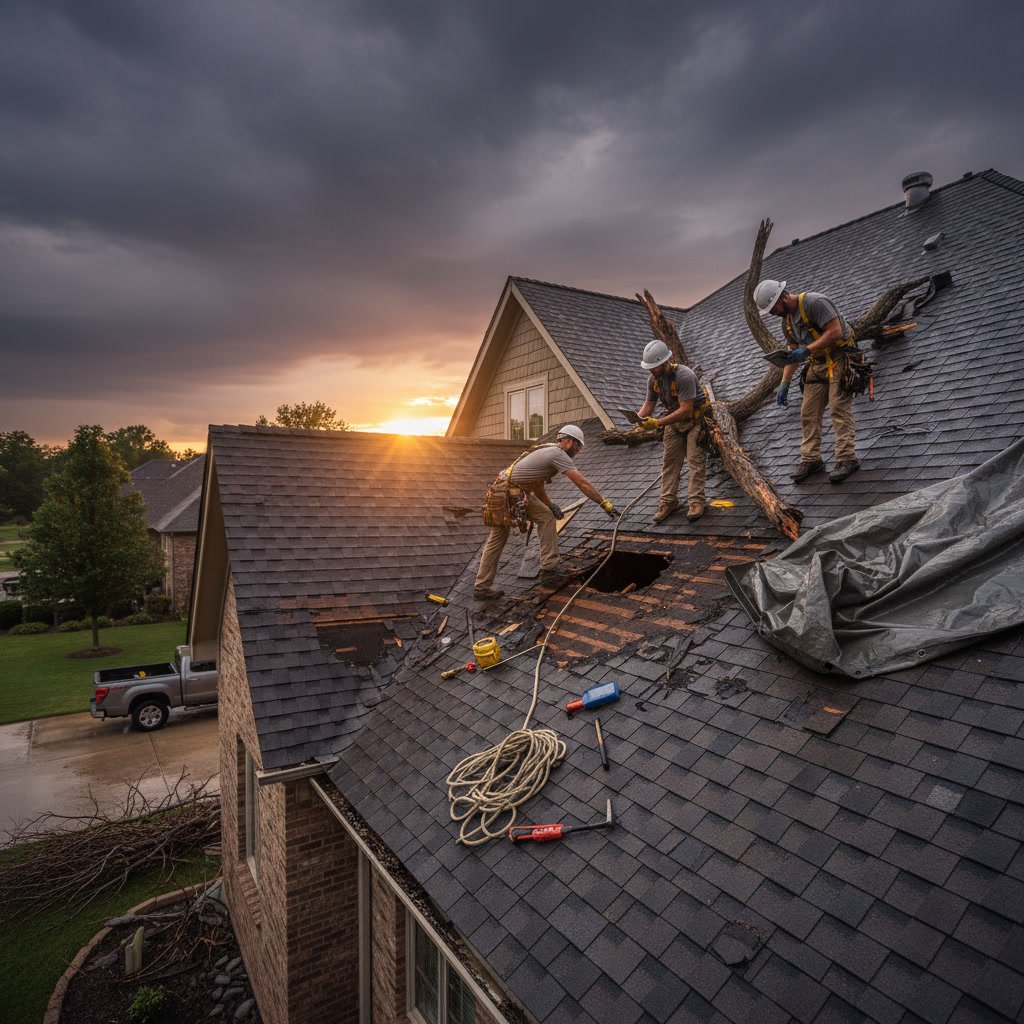
Severe weather events can compromise even well-installed roofs through impact damage, wind uplift, or debris accumulation. Hail larger than one inch in diameter creates bruising in asphalt shingles that may not leak immediately but reduces the material’s lifespan by years. Wind speeds exceeding 60 mph can break the adhesive bond between shingle layers and peel back sections that leave decking exposed.
After significant storms, climbing onto your roof for inspection creates unnecessary risk. Trained professionals identify subtle damage indicators like granule loss patterns, cracked sealant lines, and displaced flashing that homeowners typically miss. Quick response prevents minor storm impact from developing into major water intrusion. When comparing roof coating options for Texas heat, consider that properly applied coatings can seal small hail dimples before they evolve into leaks.
How Installation Quality Affects Insurance Claims and Coverage
Insurance adjusters examine installation quality when evaluating water damage claims. Policies typically cover sudden, accidental damage but exclude gradual deterioration from poor workmanship or maintenance neglect. Documentation showing that a licensed contractor followed building codes and manufacturer specifications strengthens your position if you need to file a claim.
Insurers often deny claims for damage they attribute to improper installation, even if that installation occurred under a previous owner. This reality makes installation quality verification essential during home purchases. An independent roof inspection before closing can identify substandard work that will cost you thousands in future repairs or claim denials. Professional insurance claim support includes detailed documentation of installation standards and damage causation.
Your Home Deserves Installation That Lasts Decades
Quality installation transforms roofing materials from individual components into an integrated system that sheds water, manages temperature, and protects structural integrity for 20 to 50 years depending on material choice. The difference between adequate and excellent installation often shows up 10 years later when one roof still performs flawlessly while another requires extensive repairs. Investing in verified installation standards, proper material selection, and experienced contractors prevents the exponentially higher costs of water damage remediation and structural repairs.
Sky Metal Roofing LLC brings licensed expertise to every installation, ensuring your home receives the protection that proper techniques deliver. Whether you need assessment of existing damage, complete replacement, or preventive maintenance, our team applies the detailed standards that keep water outside where it belongs. Contact us at +12104120026 to schedule an evaluation and learn how professional installation protects your most significant investment.