Texas summers push roofs to their breaking point. Temperatures regularly exceed 100 degrees, UV radiation beats down relentlessly, and sudden storms test every weak point in your roofing system. The right roof coating can add years to your roof’s life, cut cooling costs, and prevent expensive repairs.
Understanding roof coating types matters because not every coating handles Texas conditions the same way. Some crack under UV exposure, others fail in our occasional freeze events, and many simply can’t reflect enough heat to make a difference on your energy bills. This guide breaks down the four main coating types available, explains how each performs in Central Texas heat, and helps you choose the best option for your home.
Why Roof Coatings Matter in the San Antonio Area
San Antonio and surrounding communities like New Braunfels, Schertz, and Boerne experience some of the most demanding roofing conditions in the country. Average summer highs reach 95 degrees, but roof surface temperatures often climb to 160 degrees or higher on dark shingles.
A quality roof coating creates a protective barrier that reflects solar radiation, reduces thermal shock from temperature swings, and seals minor cracks before they become major problems. Property owners who invest in the right coating typically see a 10-25% reduction in cooling costs and can extend their roof’s lifespan by five to 15 years.
The key is matching the coating chemistry to both your roof type and local climate demands. Texas heat requires specific performance characteristics that not all coatings deliver.
Acrylic Roof Coatings
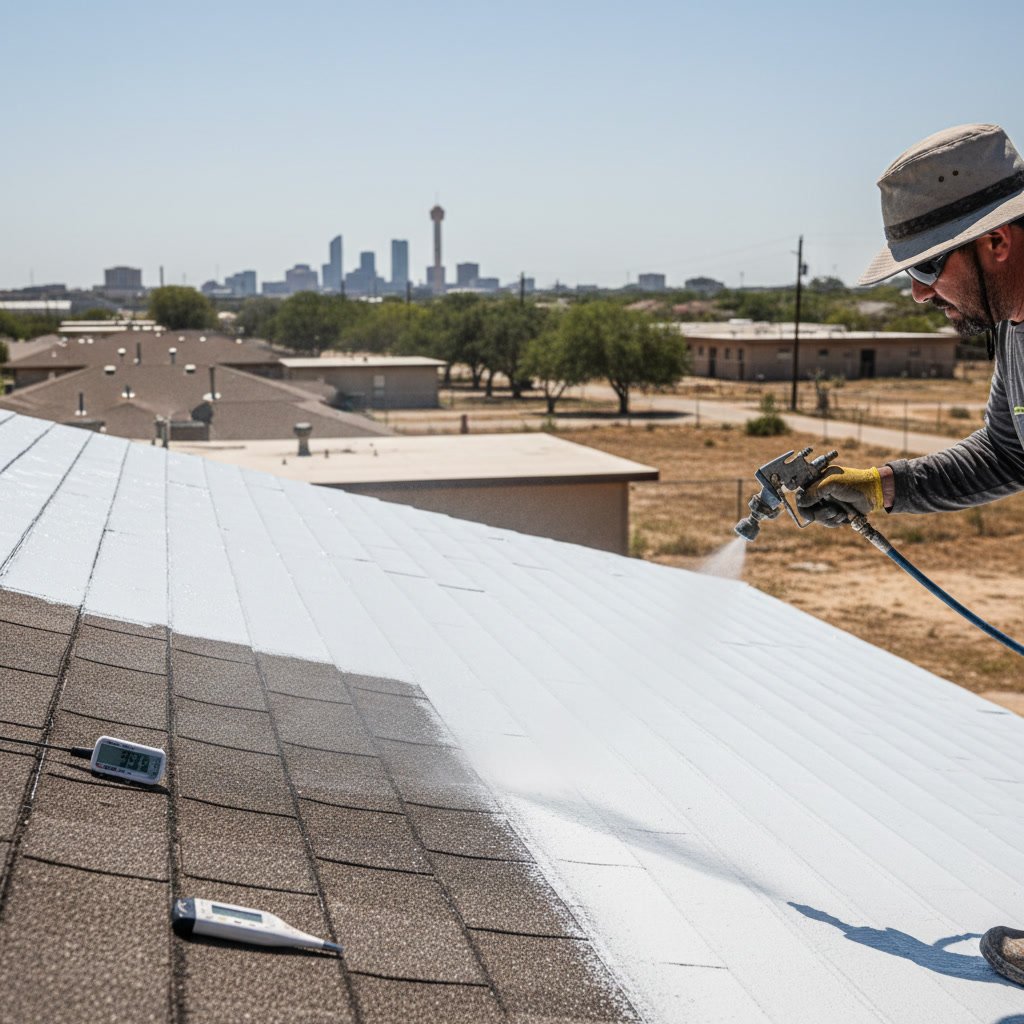
Acrylic coatings use water-based technology that makes them easy to apply and environmentally friendly. These coatings excel at reflecting sunlight and typically offer solar reflectance values between 0.80 and 0.90, meaning they reflect 80-90% of the sun’s rays.
Performance in Texas Heat
Acrylic coatings perform well in hot, dry conditions and maintain their reflective properties longer than many alternatives. They resist dirt accumulation better than other roof coating types, which helps them stay energy-efficient for years. Most quality acrylic products carry warranties of 10-15 years when properly maintained.
The main weakness shows up during our occasional heavy rain periods. Acrylics are water-based, and while cured coatings resist water, they can be vulnerable to ponding water situations. If your roof has low-slope areas where water sits for extended periods, acrylic may not be the best choice.
Best Applications
Acrylic coatings work particularly well on metal roofing, modified bitumen, and single-ply membrane systems. They’re cost-effective, typically ranging from $0.75 to $1.50 per square foot for materials. For homeowners prioritizing solar reflectance and working with a properly draining roof, acrylics offer excellent value.
Pro Tip: Acrylic coatings cure faster in Texas heat, which means contractors can often complete your project more quickly than with other coating types. This reduces labor costs and minimizes weather-related application delays.
Silicone Roof Coatings
Silicone coatings represent the premium option in the roof coating market. These solvent-based products create an exceptionally durable, waterproof membrane that stands up to the harshest Texas weather.
Weather Resistance
Silicone coatings handle ponding water better than any other option. They’re completely waterproof from the moment they cure, and they don’t break down from UV exposure. This makes them ideal for flat or low-slope roofs common on commercial buildings and some residential applications.
In Texas heat specifically, silicone maintains flexibility across extreme temperature ranges. Whether it’s 105 degrees in August or 25 degrees during a winter cold snap, silicone doesn’t crack or become brittle. This flexibility prevents the thermal stress damage that shortens the life of lesser coatings.
Limitations to Consider
Silicone coatings attract dirt and dust more readily than acrylics, which can reduce their reflectivity over time. They’re also slippery when wet, creating safety concerns during maintenance. Cost runs higher, typically $1.50 to $3.00 per square foot for materials.
Professional application matters more with silicone because proper surface preparation and primer selection directly affect performance. This isn’t a DIY-friendly option for most homeowners.
Polyurethane Roof Coatings
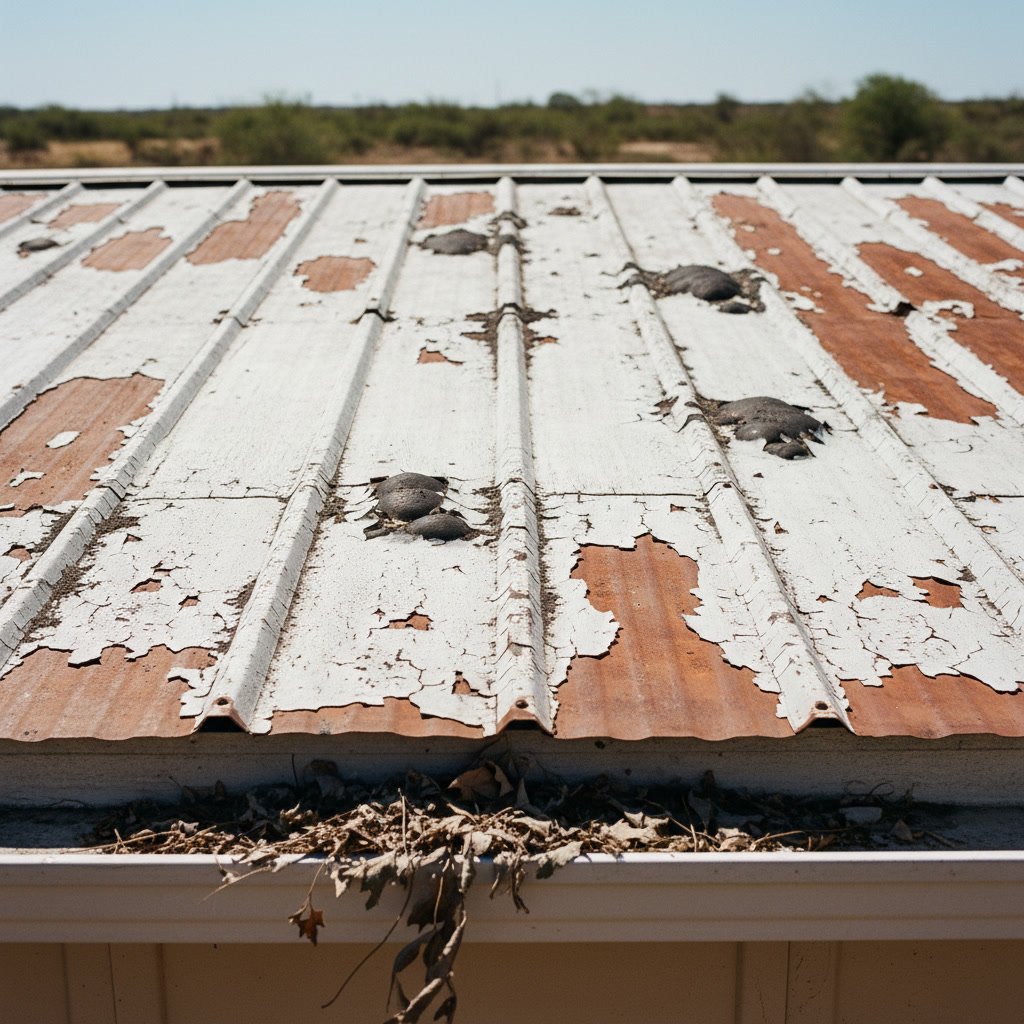
Polyurethane coatings come in two formulations: aromatic and aliphatic. Both offer exceptional durability and impact resistance, making them the toughest option among common roof coating types.
Aromatic vs. Aliphatic
Aromatic polyurethane costs less but breaks down under UV exposure, losing its reflective properties within months. It works well as a base coat but requires a topcoat for Texas applications. Aliphatic polyurethane resists UV damage and maintains its appearance and reflectivity, but costs significantly more.
For Texas roofs, aliphatic polyurethane makes the most sense when you need maximum impact resistance. These coatings handle foot traffic, hail, and debris better than any alternative. If your roof sees regular maintenance traffic or sits under large trees, polyurethane’s toughness pays off.
Application Considerations
Polyurethane coatings require low humidity during application, which actually works in Texas’s favor during our dry summer months. However, they’re more difficult to apply than acrylics or silicone, and application temperature windows are narrower.
These coatings work exceptionally well for spray polyurethane foam roofing systems, creating a seamless, monolithic barrier. Our specialized roof services team can evaluate whether polyurethane makes sense for your specific situation.
Elastomeric Roof Coatings
Elastomeric coatings describe a category that includes many acrylic and some silicone products. The term refers to any coating that can stretch and return to its original shape, making it ideal for roofs that expand and contract with temperature changes.
In Texas, where roof surfaces can swing 80 degrees or more between night and day, this flexibility prevents the micro-cracking that leads to leaks. Most elastomeric coatings can stretch 200-600% of their original dimensions without tearing.
Energy Efficiency Benefits
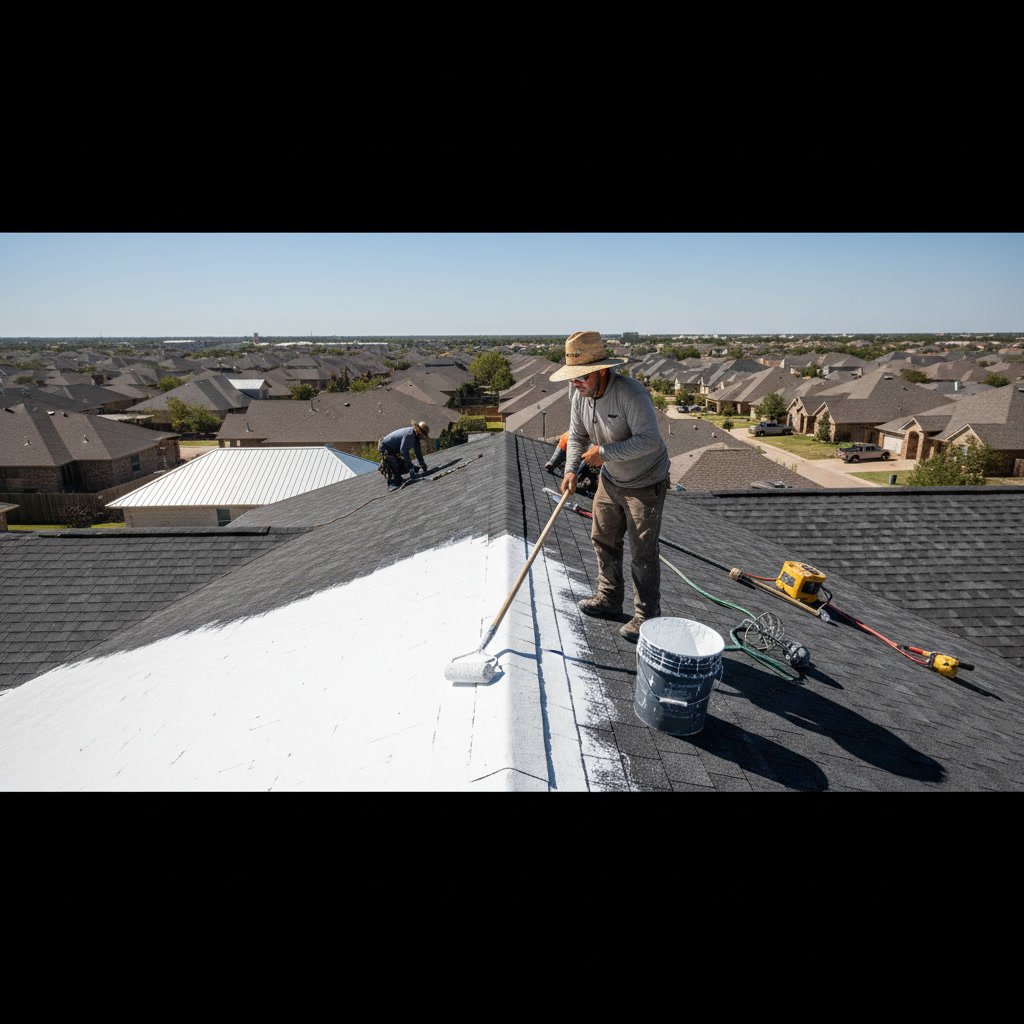
White elastomeric coatings offer some of the best solar reflectance available, often exceeding 0.90. This translates directly to lower attic temperatures and reduced air conditioning loads. Combined with proper attic insulation, elastomeric coatings can cut summer cooling costs by 20% or more.
These coatings also improve thermal emittance, meaning your roof releases absorbed heat more quickly once the sun goes down. This helps your home cool off faster in the evening hours.
Longevity and Maintenance
Quality elastomeric coatings typically last 10-20 years in Texas conditions when properly applied and maintained. They require recoating less frequently than traditional paints and often cost less than complete roof replacement and installation while delivering similar lifespan extensions.
Regular inspections help maximize coating life. Small repairs and touch-ups prevent minor issues from becoming major problems.
Choosing the Right Coating for Your Roof Type
The best roof coating depends heavily on your existing roof material. Each substrate requires specific preparation and compatible coating chemistry.
Metal Roofing
Metal roofs benefit most from acrylic or silicone coatings. Acrylics bond well to properly prepared metal surfaces and enhance the already-excellent reflectivity of metal roofing systems. Silicone works when you need maximum waterproofing, particularly on older metal roofs with fastener back-out or minor panel separation.
Proper surface preparation matters critically on metal. Rust, oil, and old coatings must be removed, and the right primer ensures adhesion. The cost difference between metal roofing and other materials, discussed in our article on metal roofing cost in San Antonio, often makes investing in quality coatings worthwhile for long-term protection.
Asphalt Shingles
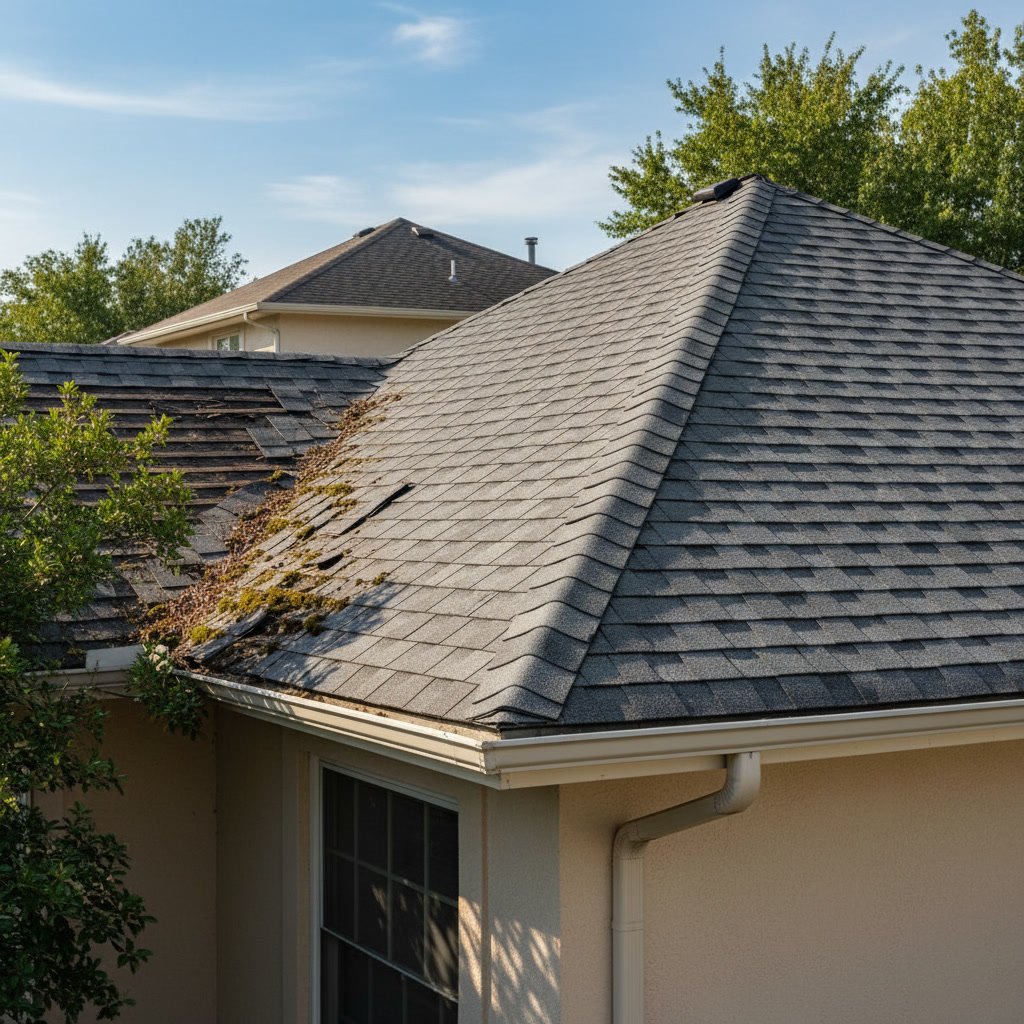
Shingle roofs can be coated, but this approach works best on roofs with at least 50% of their useful life remaining. Acrylic elastomeric coatings designed specifically for shingles can seal granule loss, reduce thermal shock, and add five to seven years of life.
If your shingles show significant damage, curling, or missing sections, coating won’t solve the underlying problems. Our roof repairs team can assess whether coating makes financial sense or if replacement is the better investment.
Flat and Low-Slope Roofs
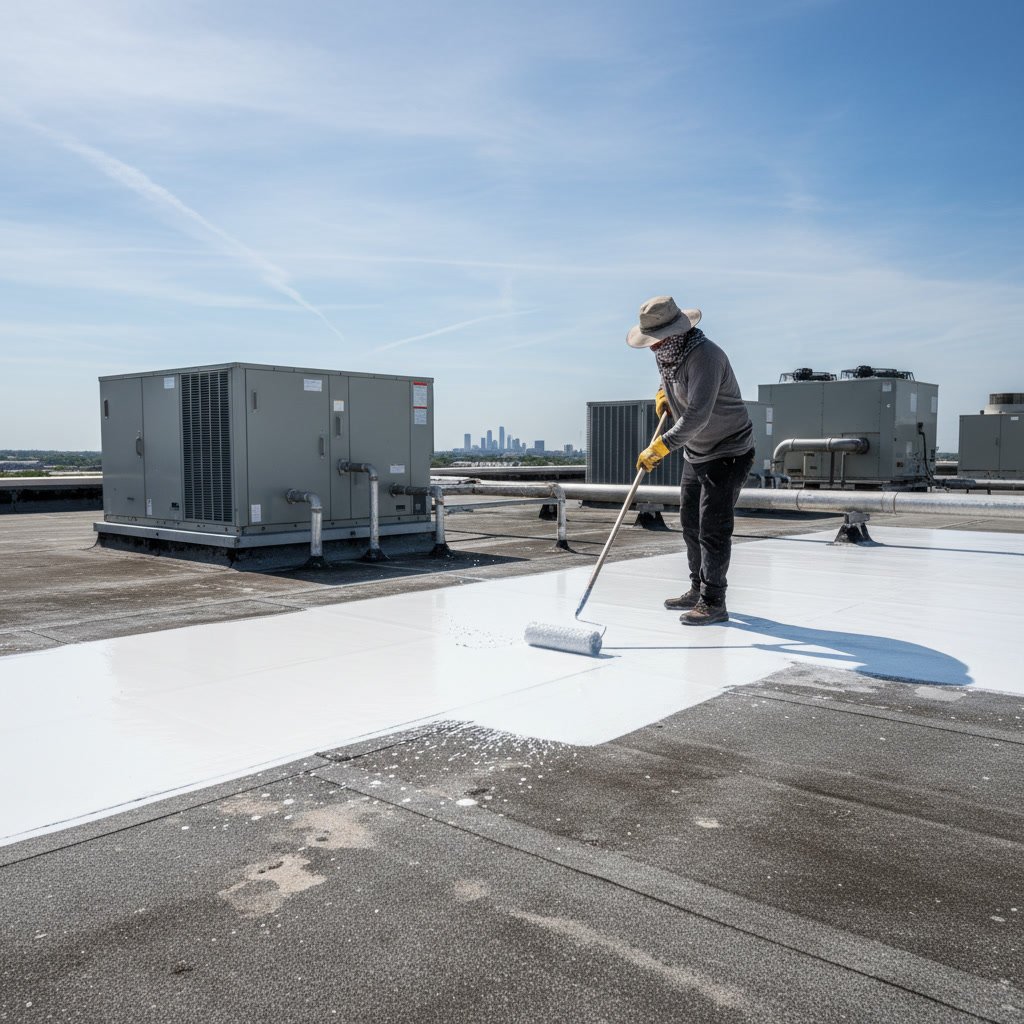
Silicone coatings excel on flat roofs, built-up roofing, modified bitumen, and TPO or EPDM membranes. Their superior waterproofing handles ponding water situations that challenge other roof coating types. For commercial properties or homes with flat roof sections, silicone often delivers the best long-term value despite higher upfront costs.
Application Timing and Weather Considerations
Texas weather creates both opportunities and challenges for roof coating application. Understanding the ideal conditions helps ensure your coating performs as expected.
Most coatings require dry conditions and temperatures between 50 and 90 degrees during application and initial cure. Texas summers exceed this upper limit regularly, so spring and fall offer the best application windows. Early morning applications in summer can work but require careful planning.
Humidity affects different coatings differently. Polyurethane requires low humidity, while acrylic handles moderate humidity well. Silicone is the most forgiving but still needs dry surfaces for proper adhesion.
Storm season brings additional considerations. If your roof has suffered wind or hail damage, addressing those issues through storm damage recovery services before coating application prevents coating failure over compromised areas.
Key Takeaway: Never apply roof coatings to wet surfaces or when rain is forecast within the cure time window. Most coatings need at least 24-48 hours of dry weather to cure properly, though high Texas temperatures can accelerate this timeline.
Cost Comparison and Return on Investment
Roof coating costs vary based on coating type, roof size, condition, and accessibility. Material costs range from $0.75 to $3.00 per square foot, while labor typically adds $1.00 to $2.50 per square foot.
A typical 2,000 square foot residential roof coating project costs between $3,500 and $11,000 depending on coating type and roof condition. This compares favorably to replacement costs that often start at $8,000 for basic shingles and exceed $20,000 for metal roofing.
Energy savings add to the return on investment. A quality reflective coating reducing cooling costs by 15% saves the average San Antonio homeowner $200-400 annually. Over a 10-year coating lifespan, that’s $2,000-4,000 in savings, offsetting a significant portion of the coating investment.
Extended roof life provides the largest financial benefit. Delaying a $15,000 roof replacement by even five years through strategic coating application delivers tremendous value.
Professional Application vs. DIY
Some homeowners consider DIY roof coating to save money, but professional application offers significant advantages. Proper surface preparation requires specialized equipment and knowledge. Pressure washing, primer selection, and addressing existing damage all affect final coating performance.
Professional applicators understand how Texas weather affects application and can adjust techniques for optimal results. They also carry insurance protecting you from liability if someone is injured during the work.
Most manufacturer warranties require professional installation. DIY application typically voids these warranties, leaving you without recourse if the coating fails prematurely.
For complex roof configurations, multiple penetrations like skylights, or significant existing damage, professional application isn’t just recommended, it’s essential for long-term success.
Frequently Asked Questions
How long do roof coatings last in Texas heat?
Quality roof coatings last 10-20 years in Texas conditions when properly applied and maintained. Silicone typically offers the longest lifespan at 15-20 years, while acrylic coatings average 10-15 years. Regular inspections and minor touch-ups can extend these timespans. Extreme UV exposure and temperature swings in Texas do reduce coating life compared to milder climates, but the energy savings and extended roof life still provide excellent value.
Can roof coatings be applied over any roofing material?
Most roofing materials can accept coatings, but compatibility matters. Metal, modified bitumen, built-up roofing, single-ply membranes, and spray foam all work well with appropriate coatings. Asphalt shingles require specialty formulations and benefit only when in reasonable condition. Wood shakes, slate, and tile roofs generally aren’t good candidates for coating. A professional inspection determines whether your specific roof type and condition make coating a viable option.
Do roof coatings really reduce energy bills?
Yes, reflective roof coatings measurably reduce cooling costs in hot climates like Texas. Studies show properly applied white or light-colored coatings can lower roof surface temperatures by 50-80 degrees, reducing attic heat and cutting air conditioning loads by 10-25%. Actual savings depend on your roof’s starting condition, home insulation levels, and air conditioning efficiency. Most San Antonio homeowners see annual savings of $150-500 on cooling costs after coating application.
What’s the difference between roof coating and roof paint?
Roof coatings are thicker, more durable, and designed specifically for weather exposure and waterproofing. They’re applied at 10-20 times the thickness of paint and contain specialized polymers that flex with temperature changes. Standard roof paint is thinner, primarily decorative, and typically lasts only 3-5 years. Coatings offer waterproofing, UV protection, and energy efficiency benefits that paint cannot match. For Texas conditions, true roof coatings always outperform standard paints.
Can coating fix a leaking roof?
Roof coatings can seal minor leaks caused by small cracks, failed fasteners, or minor seam separation, but they’re not a substitute for proper repairs. Significant damage, structural issues, or widespread deterioration require repair before coating application. Coating over major problems simply hides issues temporarily and often makes future repairs more difficult and expensive. A thorough inspection identifies which problems coating can address and which require conventional repair methods before coating.
Making the Right Choice for Your Texas Roof
Selecting among roof coating types requires balancing performance characteristics, budget, and your specific roof’s needs. For most Texas applications, silicone offers the best overall performance despite higher costs, while acrylic delivers excellent value for properly draining roofs. Polyurethane makes sense when impact resistance matters most, and elastomeric coatings provide a budget-friendly option for extending shingle roof life.
The right coating, professionally applied at the right time in your roof’s lifecycle, delivers measurable energy savings, extends roof life, and protects your home from Texas’s demanding climate. Sky Metal Roofing LLC provides expert roof coatings and roofing services throughout San Antonio and surrounding communities including Cibolo, Universal City, Converse, and Live Oak.
Our team evaluates your roof’s condition, discusses your goals and budget, and recommends the coating type that makes the most sense for your situation. We handle surface preparation, application, and warranty documentation to ensure your investment delivers maximum value. Contact Sky Metal Roofing LLC at +12104120026 to schedule a roof coating consultation and learn which option works best for your home.