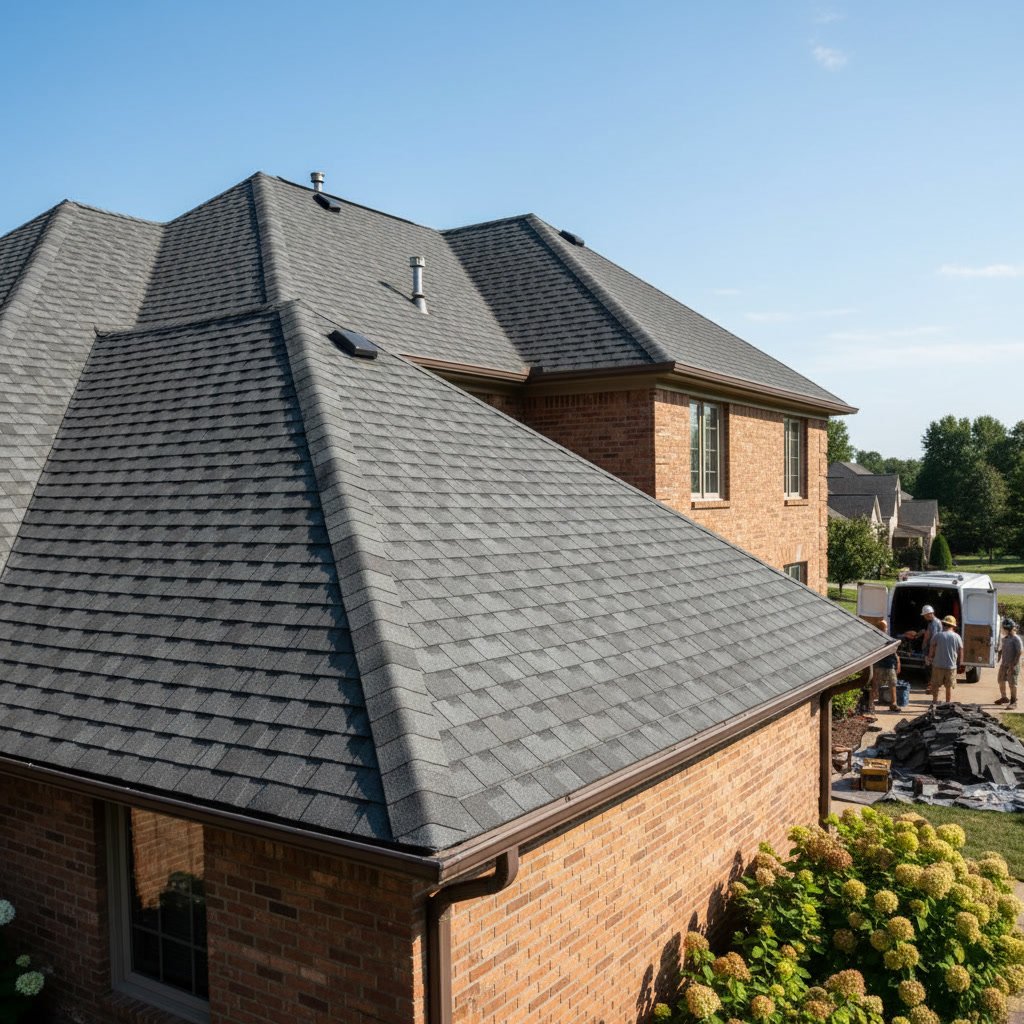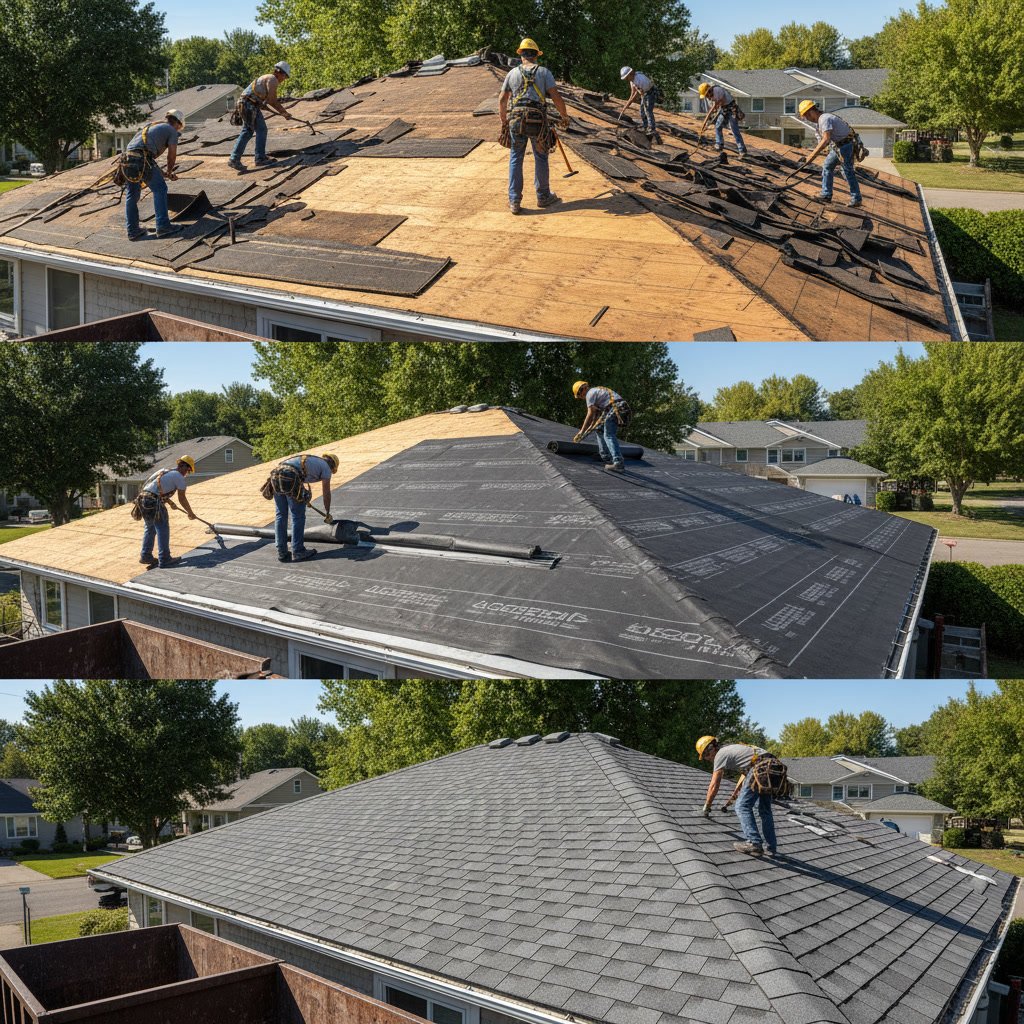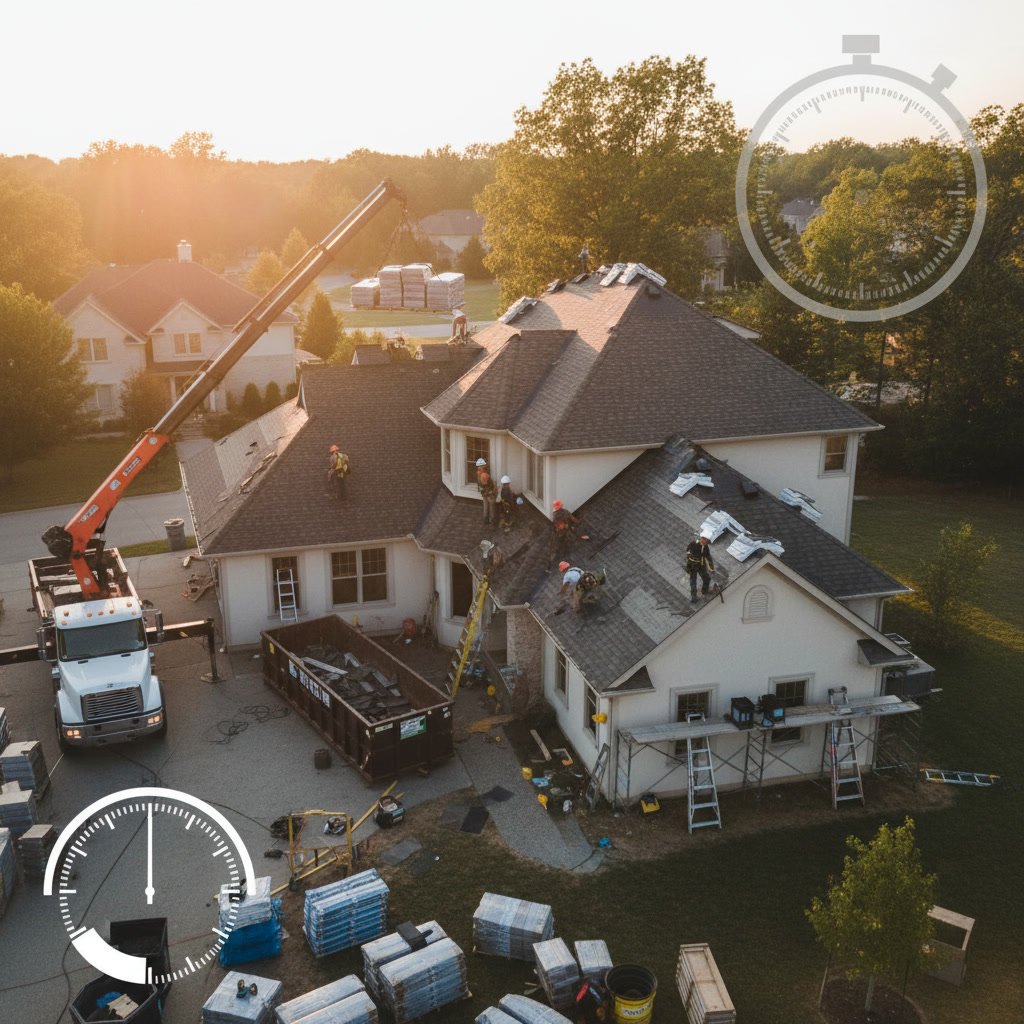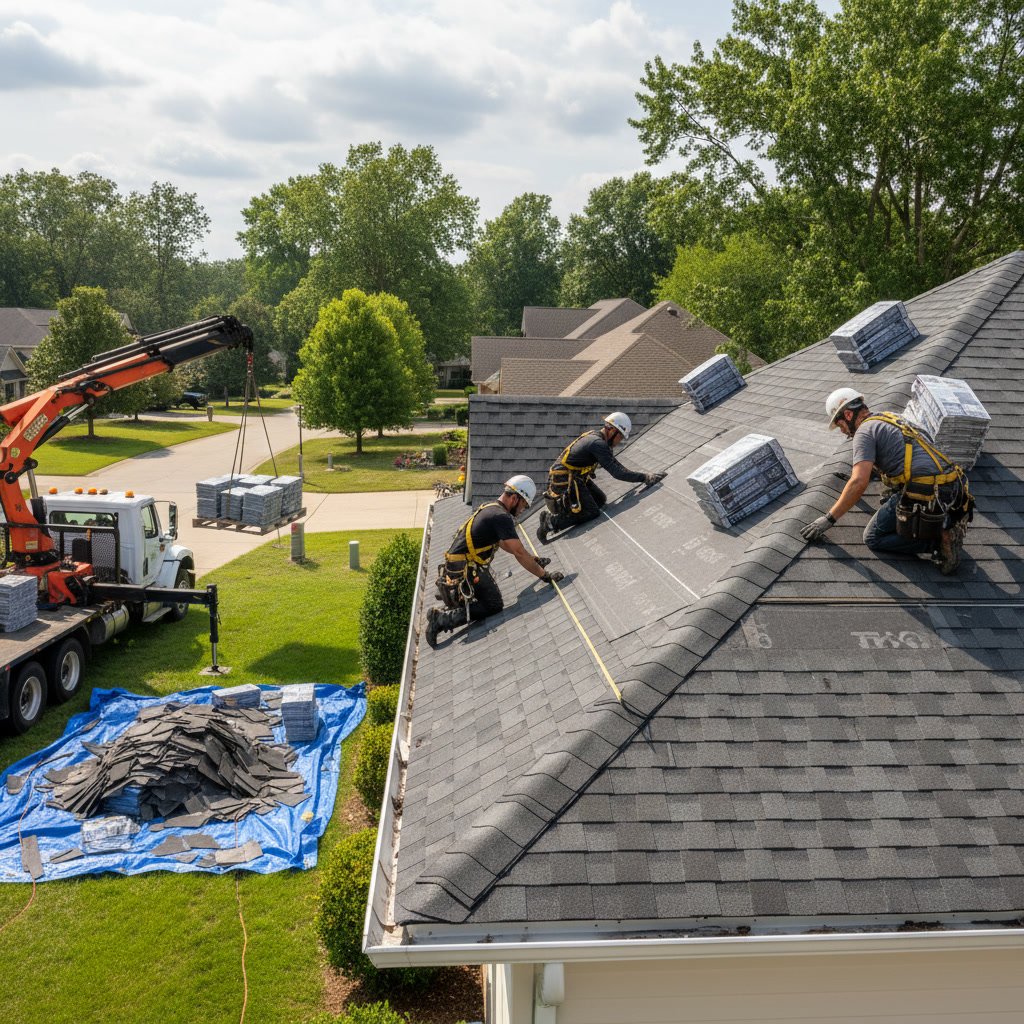

A professional roof inspection follows a systematic approach to identify damage, wear, and potential problems before they become expensive repairs. The roof inspection process typically takes 45 minutes to two hours, depending on your roof’s size and complexity. Trained inspectors examine every accessible component, from shingles and flashing to gutters and attic ventilation, documenting their findings with photos and detailed notes.
Why Routine Roof Examinations Matter for Your Home
Your roof represents one of the largest investments in your property. Without regular professional evaluations, small issues like loose fasteners or minor leaks evolve into structural damage that costs thousands to repair. Insurance companies often require documentation of regular maintenance when processing claims, making inspection records valuable evidence if storm damage recovery becomes necessary.
Most roofing professionals recommend scheduling inspections twice yearly, in spring and fall, plus after any severe weather event. This timing catches winter damage before summer heat compounds it and identifies fall issues before winter storms arrive.
The Tools and Equipment Inspectors Bring
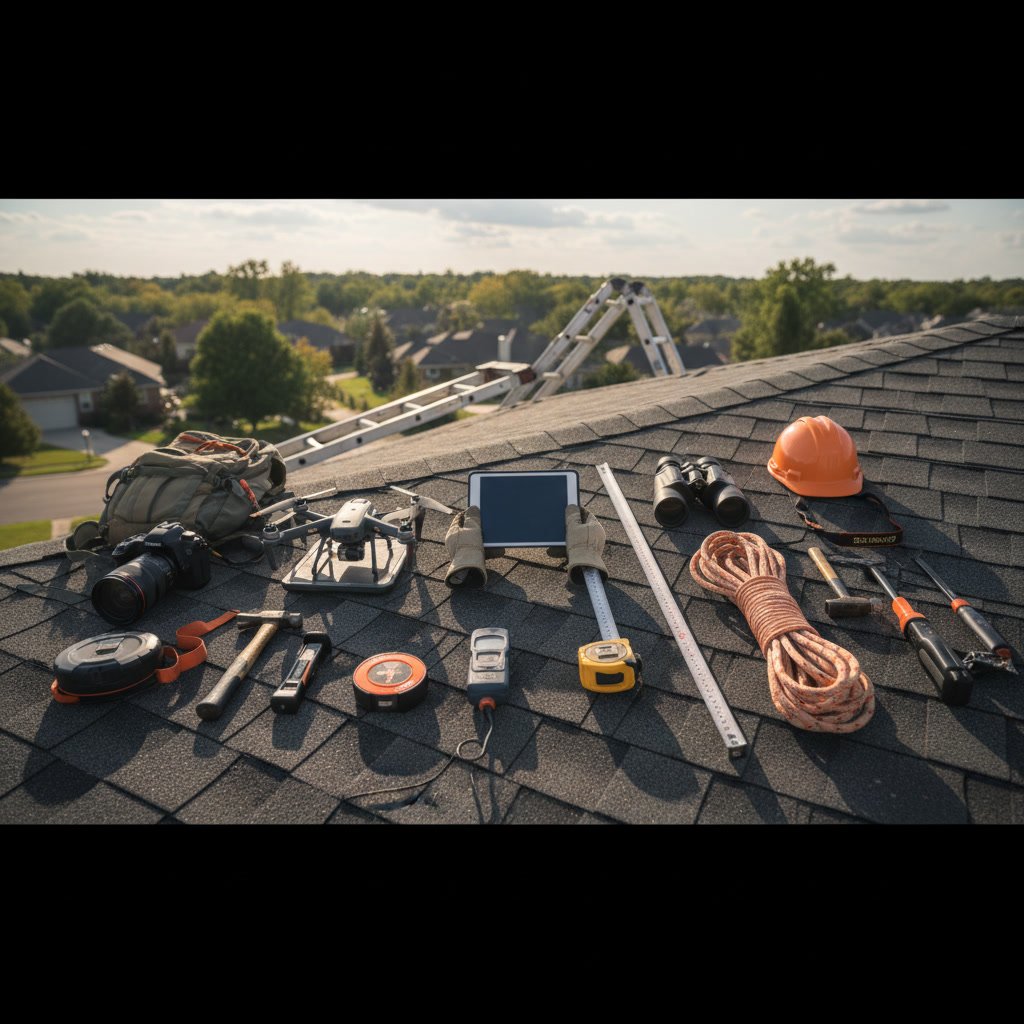
Professional inspectors arrive with specialized equipment designed to spot problems invisible to untrained eyes. Standard tools include moisture meters that detect hidden water intrusion, infrared cameras that reveal temperature variations indicating poor insulation or leaks, and high-resolution cameras for documenting conditions.
They also bring safety equipment like harnesses, non-slip boots, and ladder stabilizers. Binoculars help inspect steep or dangerous sections from the ground. Tape measures, levels, and chalk mark areas requiring attention. This equipment investment separates professional evaluations from casual visual checks.
Step One: Reviewing Your Roof’s History and Concerns
The inspection starts before anyone climbs a ladder. The inspector asks about your roof’s age, previous repairs, known leaks, and any concerns you’ve noticed. They review maintenance records, warranty documents, and past inspection reports if available.
This conversation establishes baseline information. A 15-year-old asphalt shingle roof requires different scrutiny than a five-year-old metal system. Knowing you’ve experienced ice dams or attic moisture tells the inspector where to focus detailed attention.
Step Two: Exterior Ground-Level Assessment
Walking your property’s perimeter, the inspector examines what’s visible from ground level. They look for sagging sections, uneven roof planes, damaged or missing materials, and debris accumulation. Binoculars help identify specific problem areas on steep or high sections.
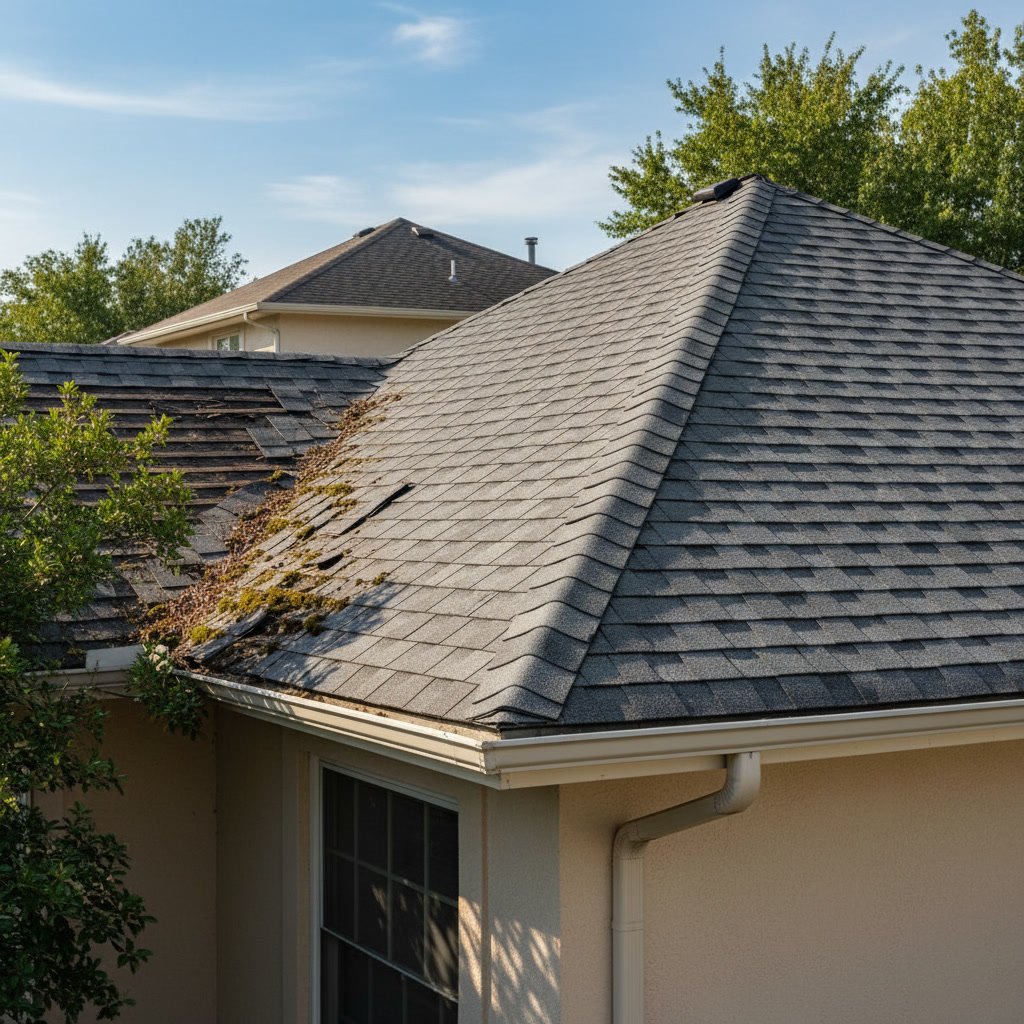
This ground assessment also evaluates drainage patterns. Water pooling near the foundation or staining on exterior walls often traces back to roof or gutter problems. The inspector notes vegetation growth, which indicates moisture issues, and checks for granules from asphalt shingles accumulating in downspouts or around the foundation.
Step Three: Detailed Surface Inspection in New Braunfels Climate
Once on the roof, the inspector walks every accessible section, examining the covering material inch by inch. For asphalt shingles, they check for curling, cracking, missing granules, and proper sealing. Metal roofing gets inspected for panel integrity, fastener tightness, and coating condition.
In the New Braunfels area, inspectors pay special attention to sun damage on south and west-facing slopes where Texas heat concentrates. They look for thermal expansion issues common in metal systems and heat-related deterioration in asphalt products. Hail damage from spring storms receives careful documentation, as even minor impacts compromise shingle effectiveness.
The inspector photographs every defect, measuring and marking locations for later reference. They test shingles for brittleness and check that all penetrations like vents and pipes have proper sealing and flashing.
Step Four: Flashing and Penetration Examination
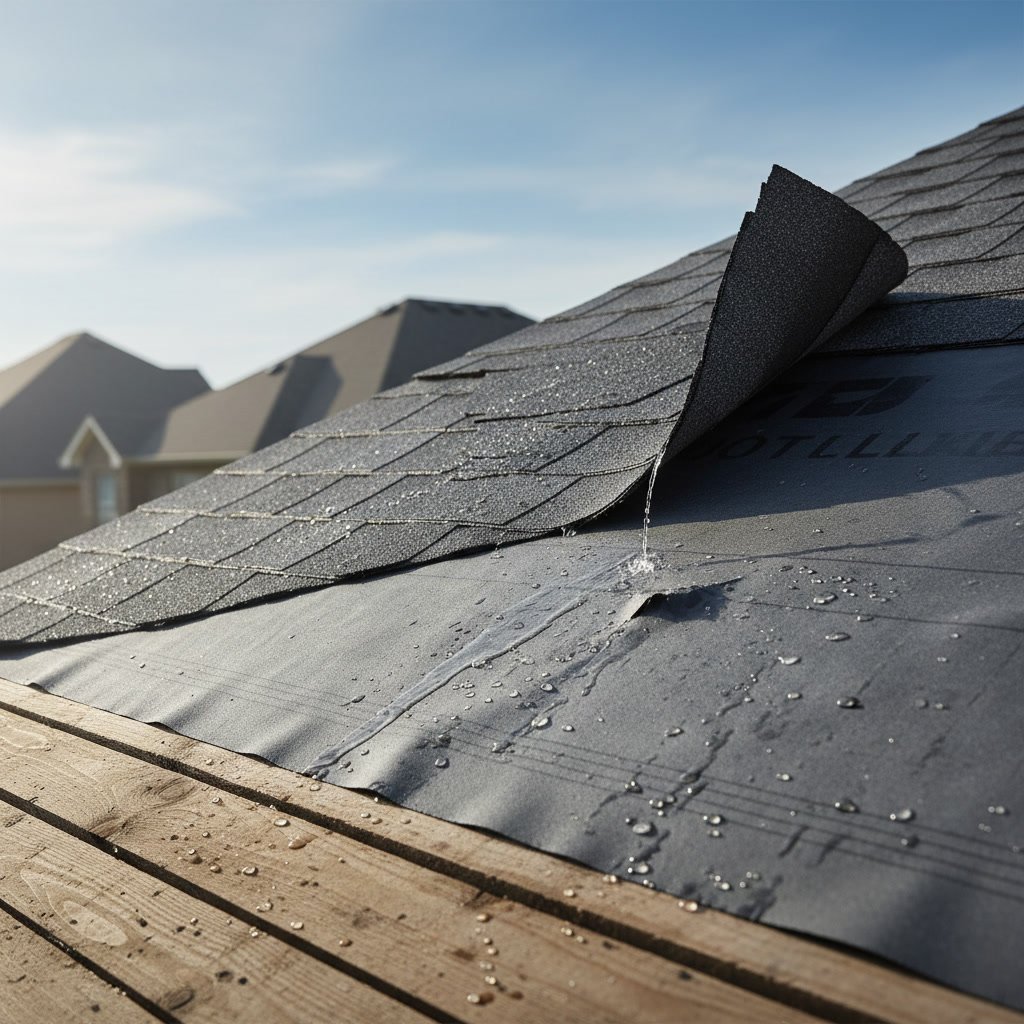
Flashing represents the most common failure point on any roof. These metal strips seal joints where the roof meets walls, chimneys, vents, and valleys. The inspector checks every flashing section for rust, separation, missing sealant, and proper overlap.
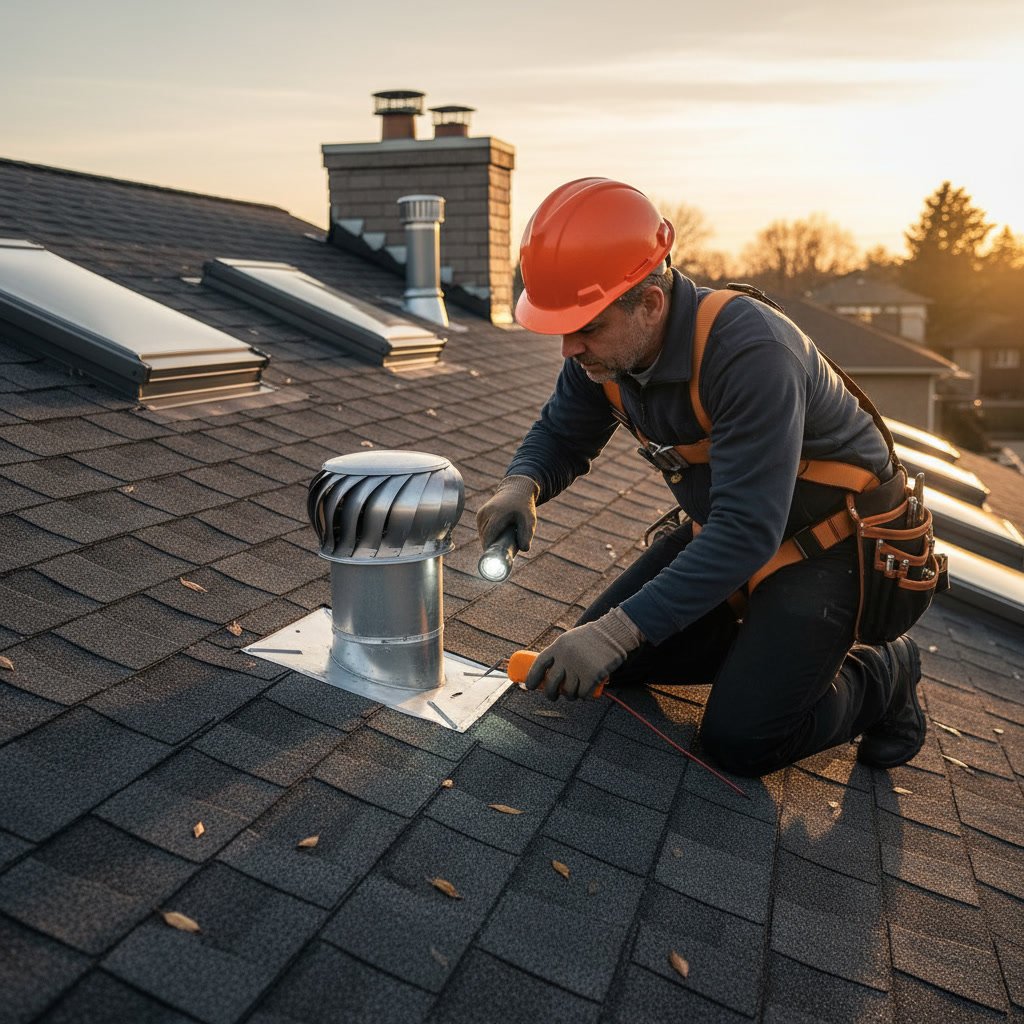
Penetrations like plumbing vents, exhaust fans, and skylights receive detailed scrutiny. Even small gaps allow water intrusion that rots decking and framing. The inspector tests seals around these elements and checks that boots and collars remain flexible, not cracked or deteriorated.
Step Five: Drainage System Evaluation
Gutters and downspouts play a critical role in roof longevity by directing water away from the structure. The inspector examines gutter attachment, checking for sagging or separation from fascia boards. They look inside gutters for debris, proper slope toward downspouts, and signs of standing water.
Downspouts get checked for clogs, proper connection to gutters, and adequate discharge distance from the foundation. The inspector notes any needed gutter repairs or cleaning. They also verify that roof valleys properly channel water into gutters rather than overshooting during heavy rain.
Step Six: Structural Components and Decking
Where accessible, inspectors examine the roof structure itself. They look for sagging between rafters, indicating decking failure or inadequate support. Soft spots when walking suggest moisture-damaged plywood or OSB sheathing underneath.
From inside the attic, they check rafters and trusses for cracks, rot, or insect damage. They measure spacing to ensure it meets code requirements for your roof covering type. Any structural concerns require immediate attention, as they compromise the entire system’s integrity regardless of surface material condition.
Step Seven: Attic Interior Analysis
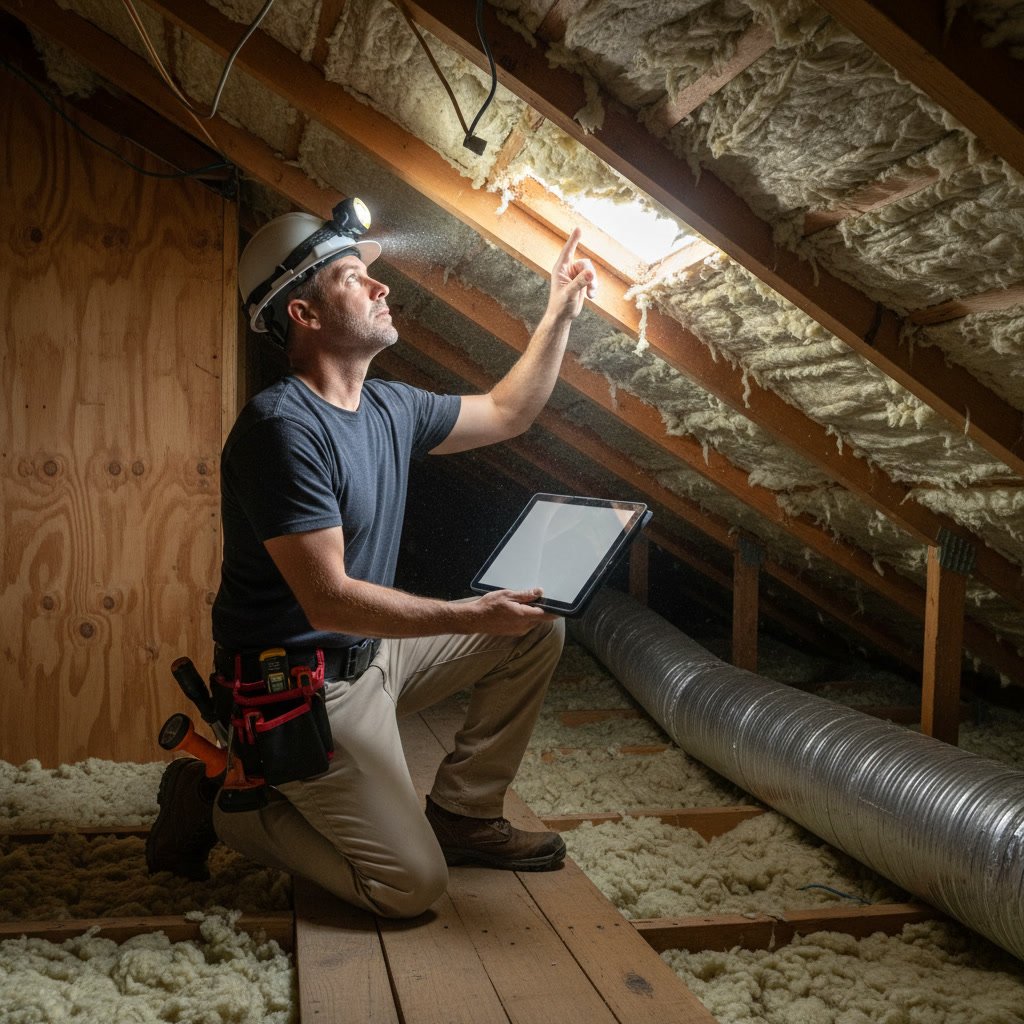
The attic inspection reveals problems invisible from above. The inspector looks for water stains on decking and rafters, indicating active or past leaks. They check insulation condition and depth, which affects both energy costs and roof lifespan by preventing ice dams and reducing heat transfer.
Ventilation receives careful assessment. Inadequate airflow traps heat and moisture, dramatically shortening roof life. The inspector verifies that soffit vents remain unblocked, ridge or gable vents function properly, and attic temperatures stay within acceptable ranges. They also check for bathroom or kitchen exhaust vents improperly terminating in the attic rather than outside.
Proper attic ventilation makes the difference between a 20-year roof and a 30-year roof on the same material. Sky Metal Roofing LLC has documented cases where adding adequate ventilation to metal roofs stopped premature panel buckling caused by heat buildup.
Step Eight: Documentation and Measurement
Throughout the inspection, detailed documentation supports the final report. The inspector photographs normal conditions and defects from multiple angles. They measure affected areas, count damaged components, and note material types and conditions.
Moisture meter readings get recorded with locations marked on a roof diagram. Infrared images showing temperature variations get paired with visible-light photos of the same areas. This documentation proves essential for insurance claims and provides baseline data for future inspections to track deterioration rates.
Step Nine: Report Delivery and Recommendations
Within a few days, you receive a comprehensive written report detailing findings, photos, and recommendations. Quality reports categorize issues by urgency: immediate repairs needed, maintenance items to address within months, and conditions to monitor.
The report includes specific repair estimates when possible and life expectancy projections for your current roof. It notes whether problems qualify as insurance claims or represent normal wear requiring owner maintenance. Inspectors prioritize recommendations, helping you budget for necessary work without creating unnecessary alarm.
Protecting Your Investment Through Professional Assessment
Understanding the thorough process professional inspectors follow demonstrates why DIY roof checks miss critical problems. Trained eyes catch subtle signs of failure before they become visible leaks. Specialized equipment detects hidden moisture and insulation defects that eventually cost thousands in energy waste and structural repairs.
Regular professional inspections extend roof life by catching small problems early. A $200 repair identified during inspection prevents a $2,000 emergency fix six months later. Documentation from consistent inspections also streamlines warranty claims and insurance processes when unexpected damage occurs.
The detailed evaluation provided by experienced professionals like Sky Metal Roofing LLC gives you accurate information to make informed decisions about repairs, maintenance timing, and eventual replacement planning. Whether you need immediate attention or simply want peace of mind about your roof’s condition, a systematic professional inspection provides the answers you need. Contact our team at +12104120026 to schedule your comprehensive roof evaluation and receive a detailed report on your system’s health.