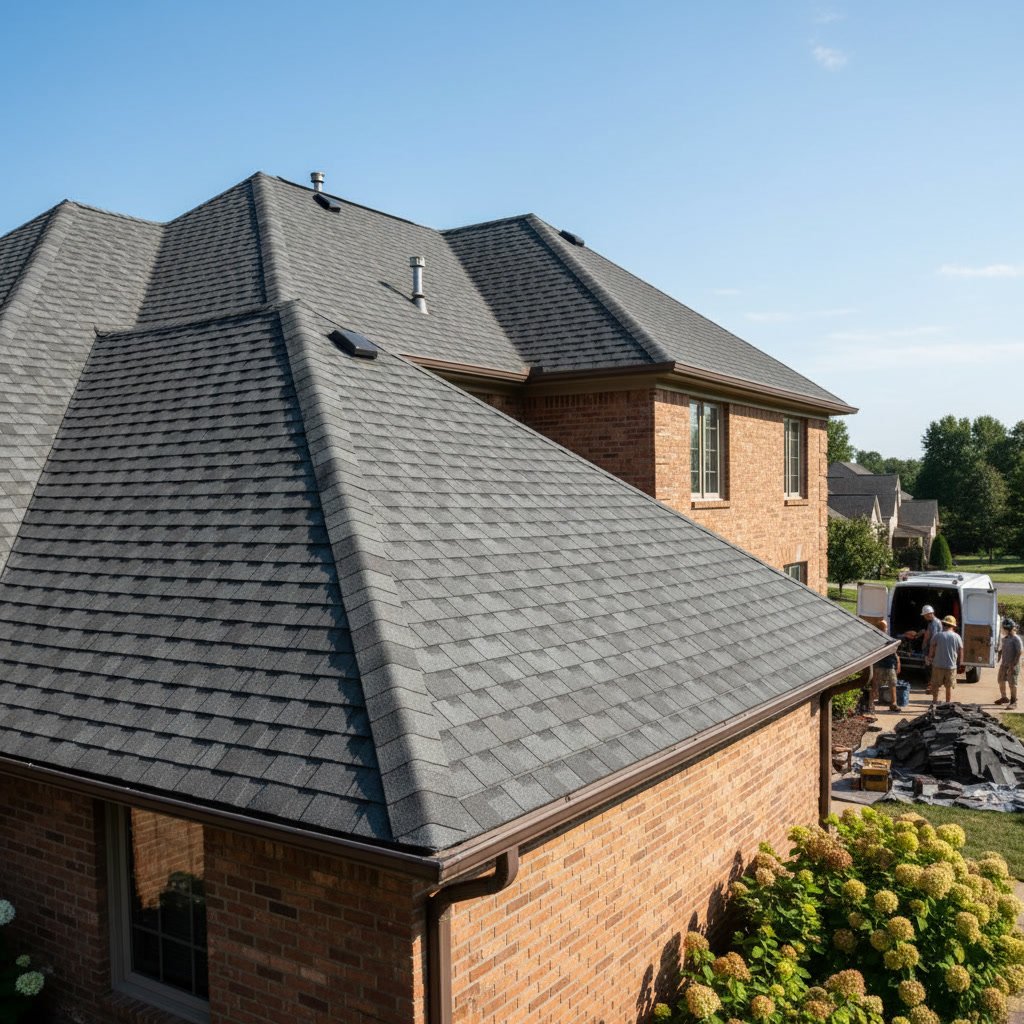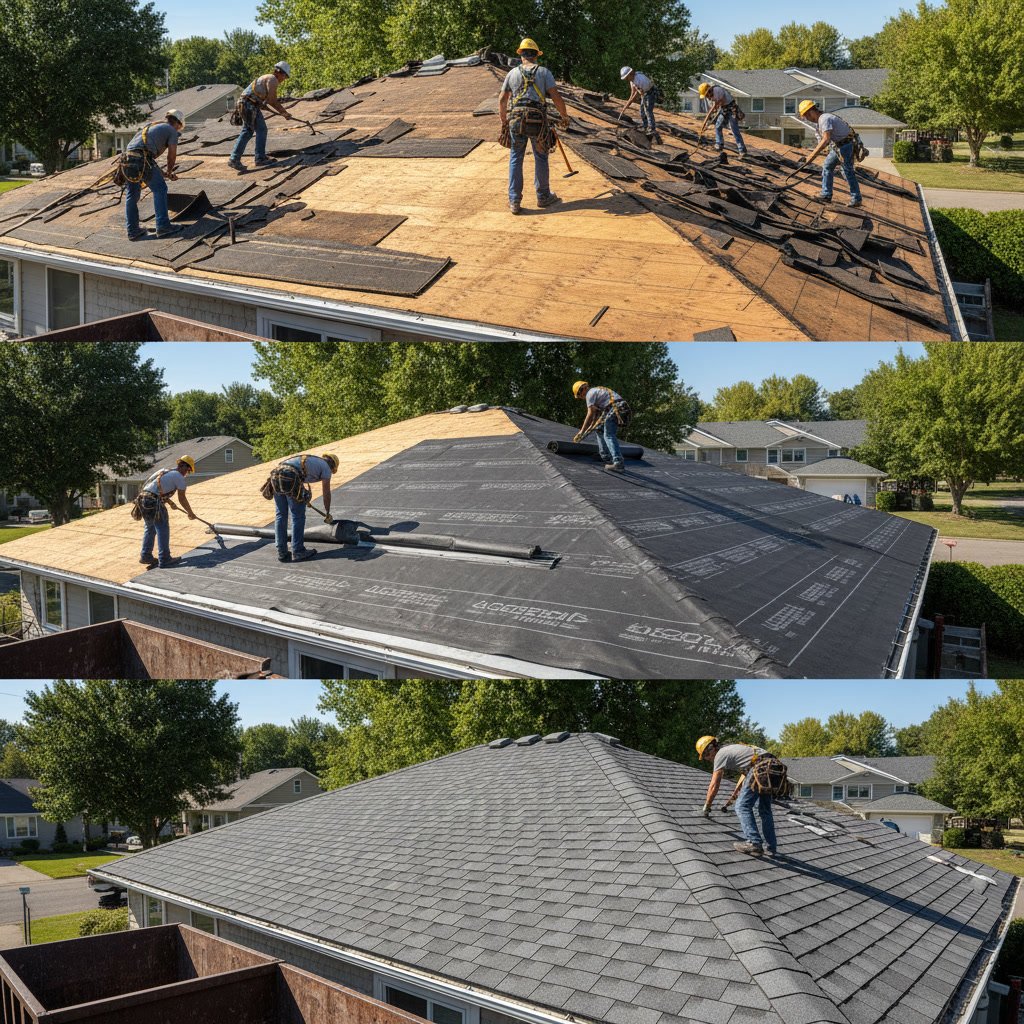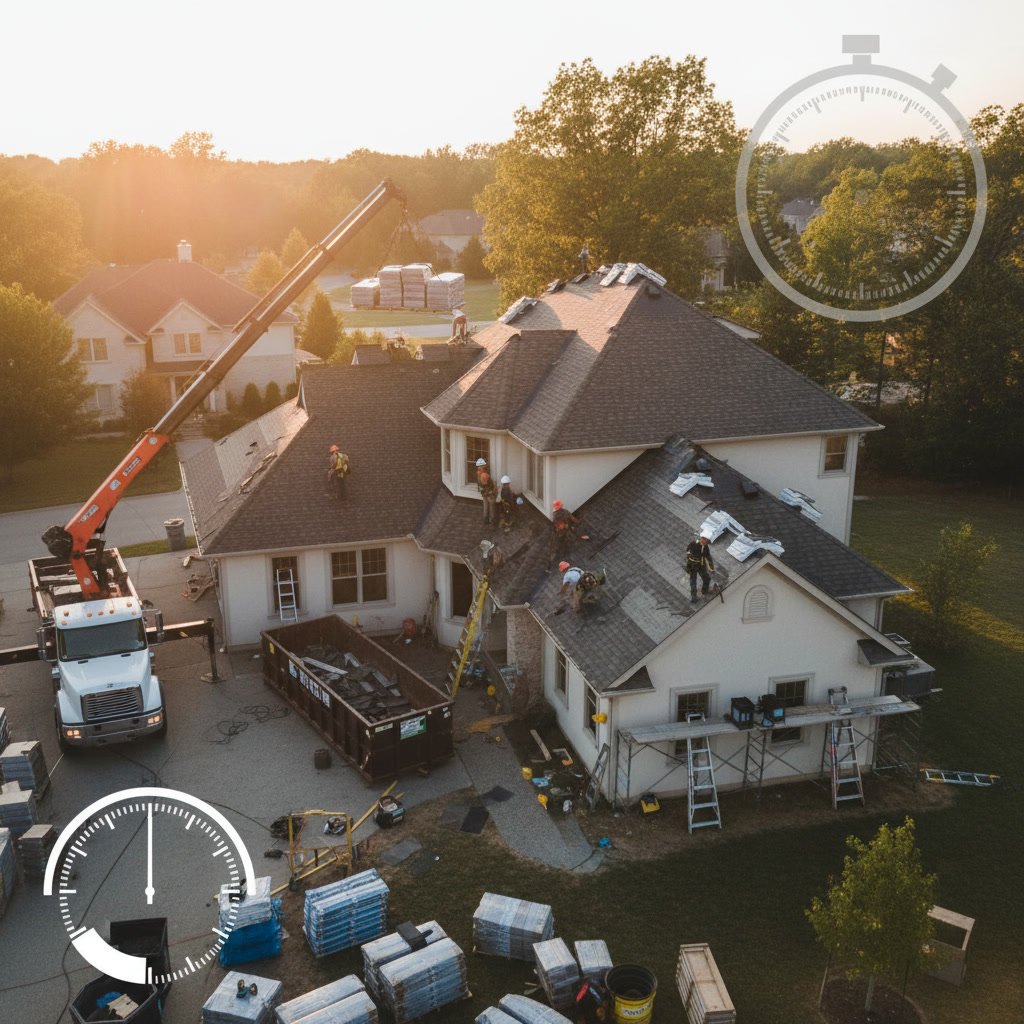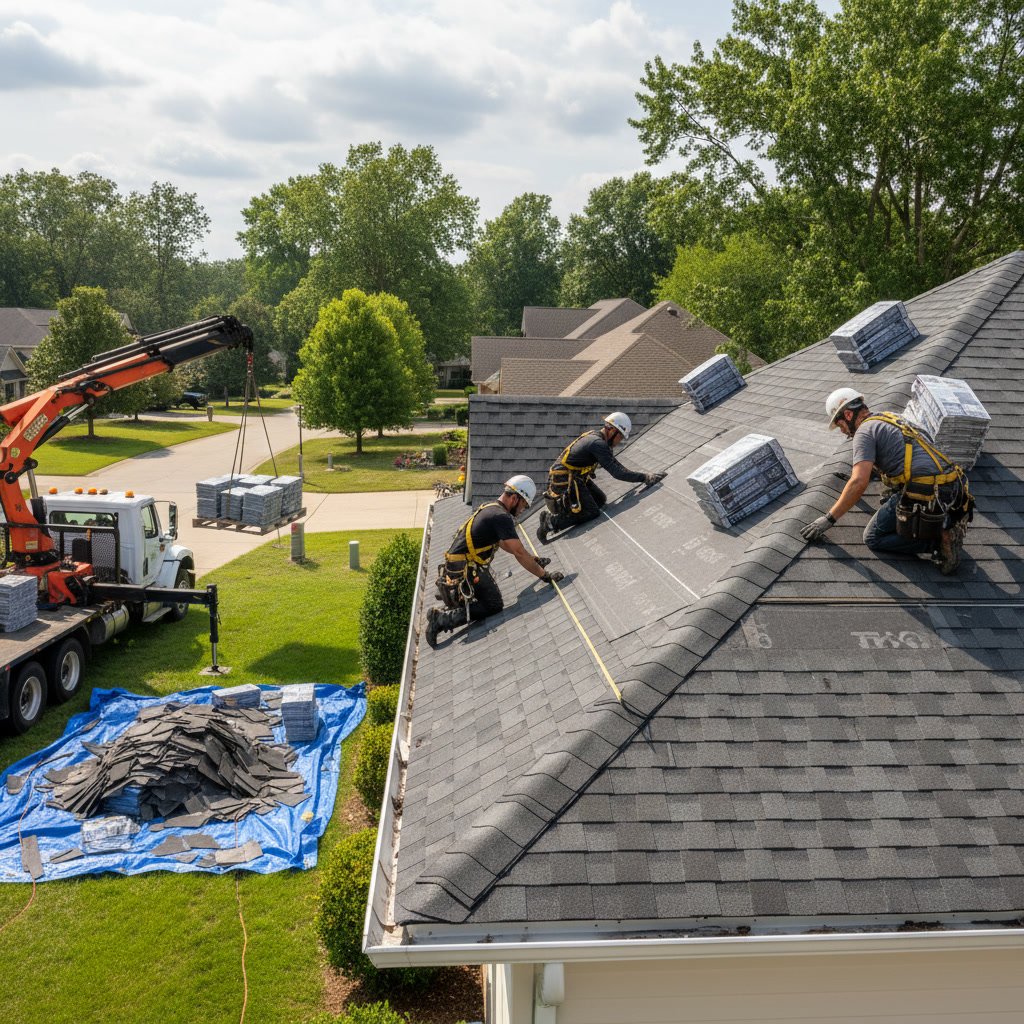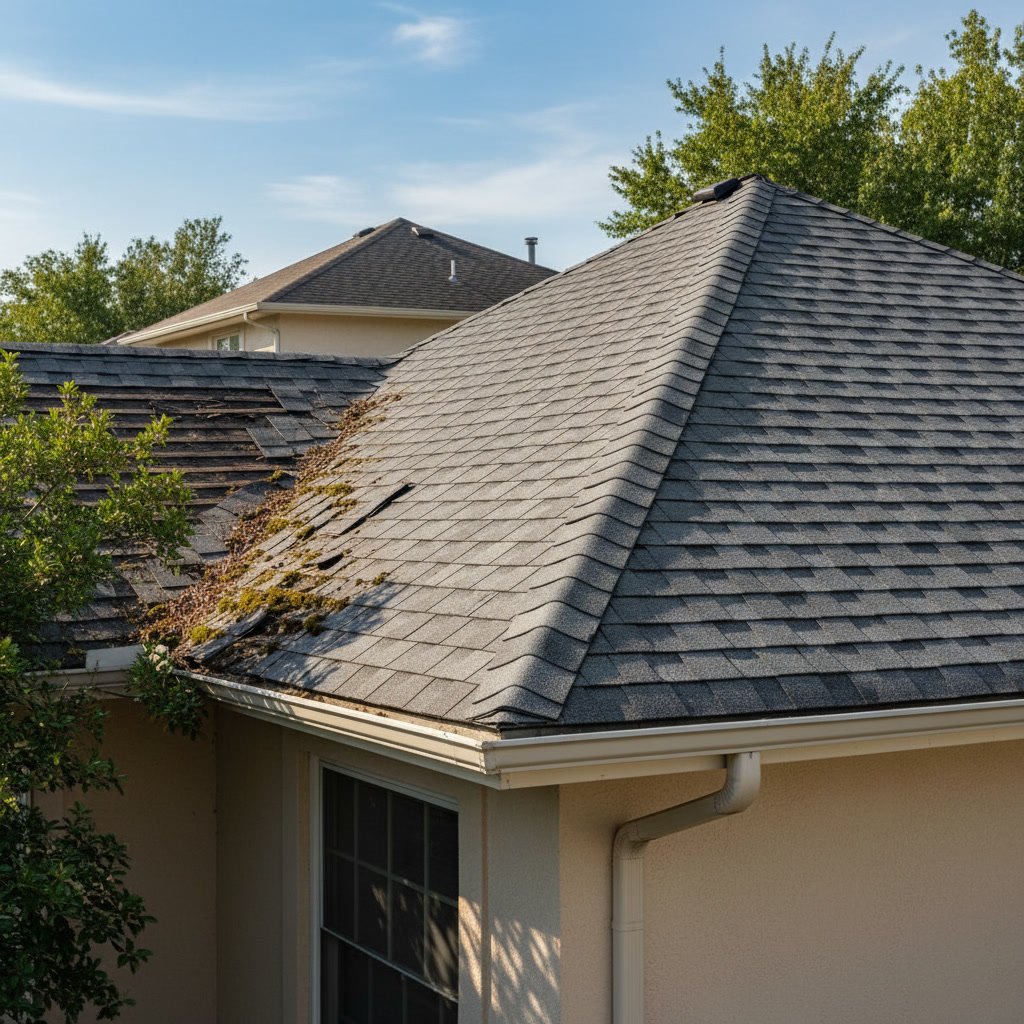
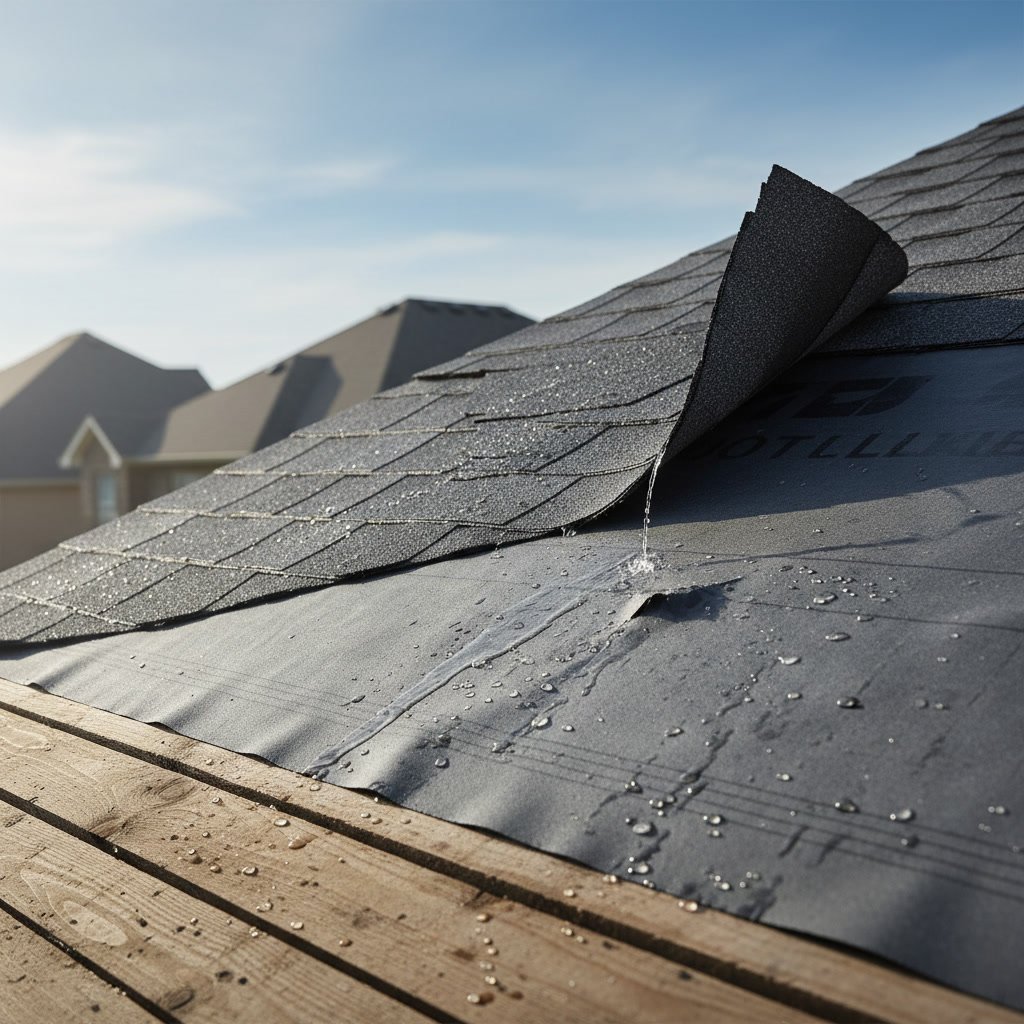
Roof underlayment protection forms a waterproof barrier between your roof deck and the shingles or metal panels above, blocking moisture intrusion even when the outer layer is compromised. This thin but critical membrane stops wind-driven rain, prevents ice dams from backing water under shingles, and adds a second line of defense against leaks. Without proper underlayment, even a small gap in your shingles can let water reach the wood deck and cause rot, mold, and structural damage.
Why Your Roof Needs More Than Just Shingles
Shingles and metal panels are designed to shed water, but they are not completely waterproof on their own. Wind can lift shingle edges during storms, creating openings for rain to slide underneath. Hail can crack shingles, and thermal expansion can open tiny gaps over time. The underlayment catches any moisture that slips past, directing it down and off the roof before it touches the wood below.
In Texas, where afternoon thunderstorms bring sudden downpours and strong gusts, this secondary barrier becomes essential. A quality underlayment gives your home a safety margin that keeps small problems from turning into expensive roof repairs.
What Roof Underlayment Actually Is
Underlayment is a continuous sheet material installed over the roof deck before any shingles or panels go down. Traditional felt paper, made from organic or fiberglass mat saturated with asphalt, has been the standard for decades. Today, synthetic underlayment made from woven or spun polyethylene and polypropylene offers superior tear resistance, longer UV exposure tolerance, and better waterproofing.
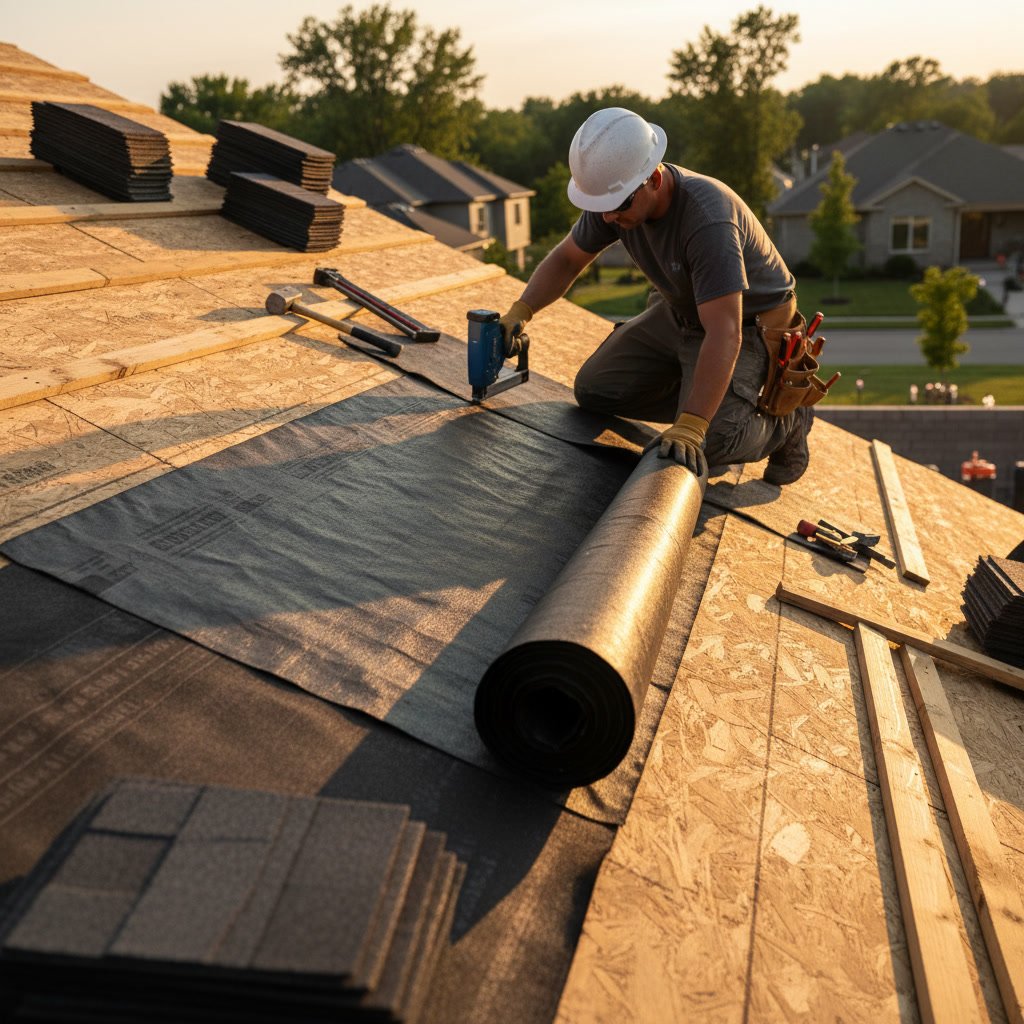
Rubberized asphalt membranes, often called ice and water shield, are self-sealing products used in vulnerable areas like valleys, eaves, and around penetrations. When a nail or staple punctures the membrane, the rubberized layer seals around the fastener automatically, blocking water entry.
Three Main Types of Underlayment and Their Uses
Felt underlayment comes in 15-pound and 30-pound weights. The 15-pound version is thinner and suitable for standard pitched roofs with roof shingles, while 30-pound felt adds durability for steeper slopes or more exposed locations. Felt is affordable and familiar to most roofers, but it tears easily when wet and degrades under prolonged sun exposure.
Synthetic underlayment weighs less, resists tearing, and can stay exposed for several months without breaking down. It lays flat without wrinkling, making installation faster and reducing the chance of water pooling. Most modern roof replacement and installation projects now specify synthetic products because they outperform felt in nearly every category.
Rubberized membranes offer the highest level of waterproofing and are required by many building codes in cold climates to prevent ice dam damage. In Texas, these membranes are most useful in valleys, along eaves, and around chimneys or skylights where water tends to concentrate. They cost more per square foot but provide unmatched leak prevention in critical zones.
How Underlayment Stops Water Damage in New Braunfels
New Braunfels sits in a region where heavy rains and high winds are common during spring and summer. When wind lifts a shingle or drives rain sideways under the edge, the underlayment blocks that water and channels it down the slope. The membrane’s overlapping seams and sealed edges create a continuous shield that covers the entire roof deck.
Even small amounts of water can cause significant harm over time. A single leak that goes unnoticed for weeks can saturate insulation, stain ceilings, and encourage mold growth inside wall cavities. Underlayment gives you time to spot and fix problems before they spread.
Underlayment Performance During Severe Weather
During a severe thunderstorm or hailstorm, your roof takes a beating. Hail can crack or dislodge shingles, and high winds can peel back entire sections. The underlayment remains in place, keeping rain out until repairs can be made. In many cases, homeowners do not realize their roof was damaged until water starts appearing inside, and a solid underlayment layer can delay or prevent that interior damage entirely.
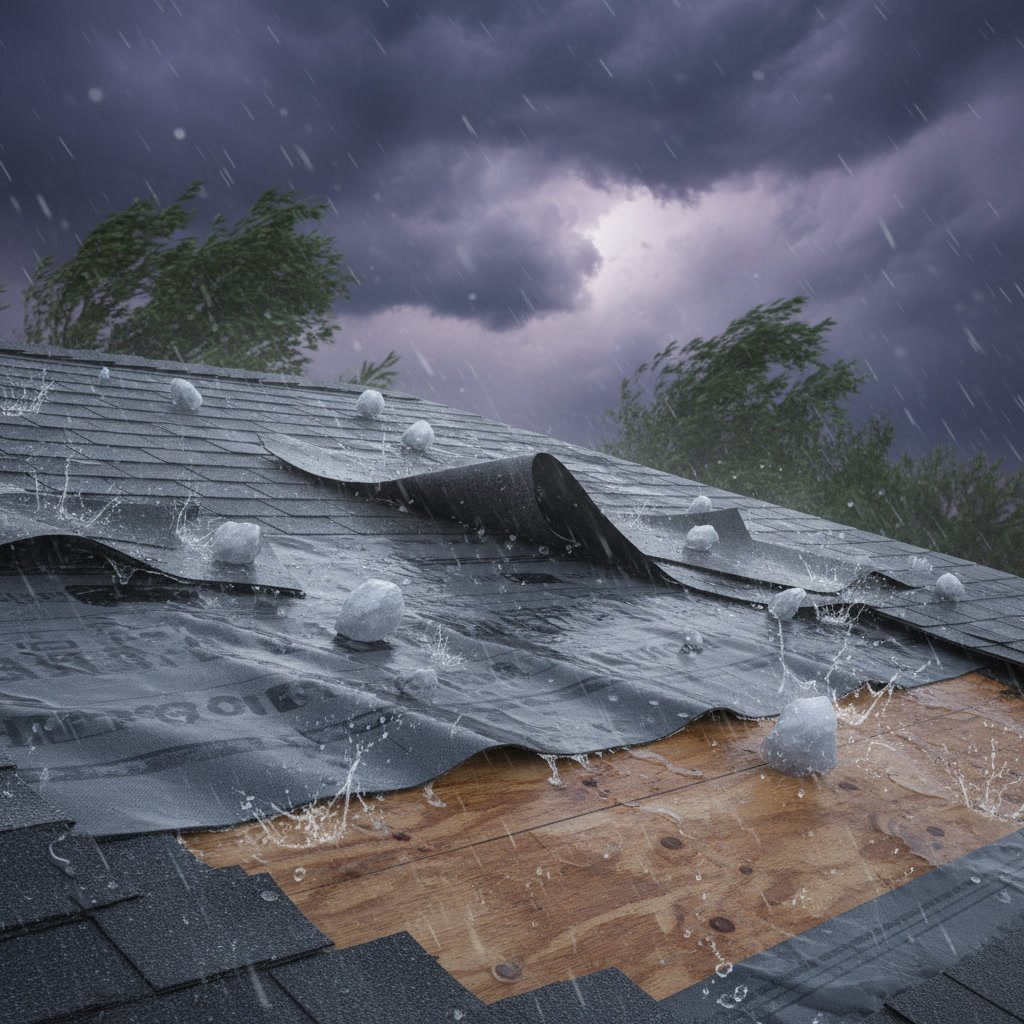
For properties that experience storm damage recovery, the condition of the underlayment often determines whether a repair or full replacement is needed. If the underlayment is intact, the roof structure remains protected while new shingles are installed.
Proper Installation Techniques That Make the Difference
Underlayment must be installed with the correct overlap and fastening pattern to work properly. Horizontal seams should overlap at least six inches, and vertical seams at least four inches. The material should be rolled out smoothly without wrinkles or gaps, and fasteners should be spaced according to manufacturer specifications.
One expert-level detail that many installers overlook is the direction of the overlap. Each course should lap over the one below it, so water flowing down the roof never encounters an upward-facing edge where it could slip underneath. This shingle-like layering is simple but critical.
Another key practice is extending rubberized membrane at least six inches up any vertical surface, such as a chimney or wall, and sealing the top edge with compatible flashing. This prevents water from running down the vertical surface and sneaking under the shingles where they meet the obstruction.
How Underlayment Extends the Life of Your Roof
A roof system is only as strong as its weakest layer. High-quality shingles over poor underlayment will fail sooner than average shingles over excellent underlayment. The membrane reduces the thermal cycling stress on the deck by moderating temperature swings, and it keeps moisture out of the wood, which prevents rot and warping.
Over the 20 to 30 year lifespan of an asphalt shingle roof, or the 40 to 50 year life of a metal roofing system, the underlayment works continuously to protect the structural deck. Investing in premium underlayment during installation saves money by reducing the frequency and severity of repairs down the road.
Common Underlayment Mistakes That Compromise Protection
Using the wrong type of underlayment for the roof pitch or climate is a frequent error. Low-slope roofs need a more robust, fully adhered membrane, while steep roofs can perform well with standard synthetic products. Skipping underlayment in areas like valleys or around penetrations creates weak points where leaks are almost guaranteed.
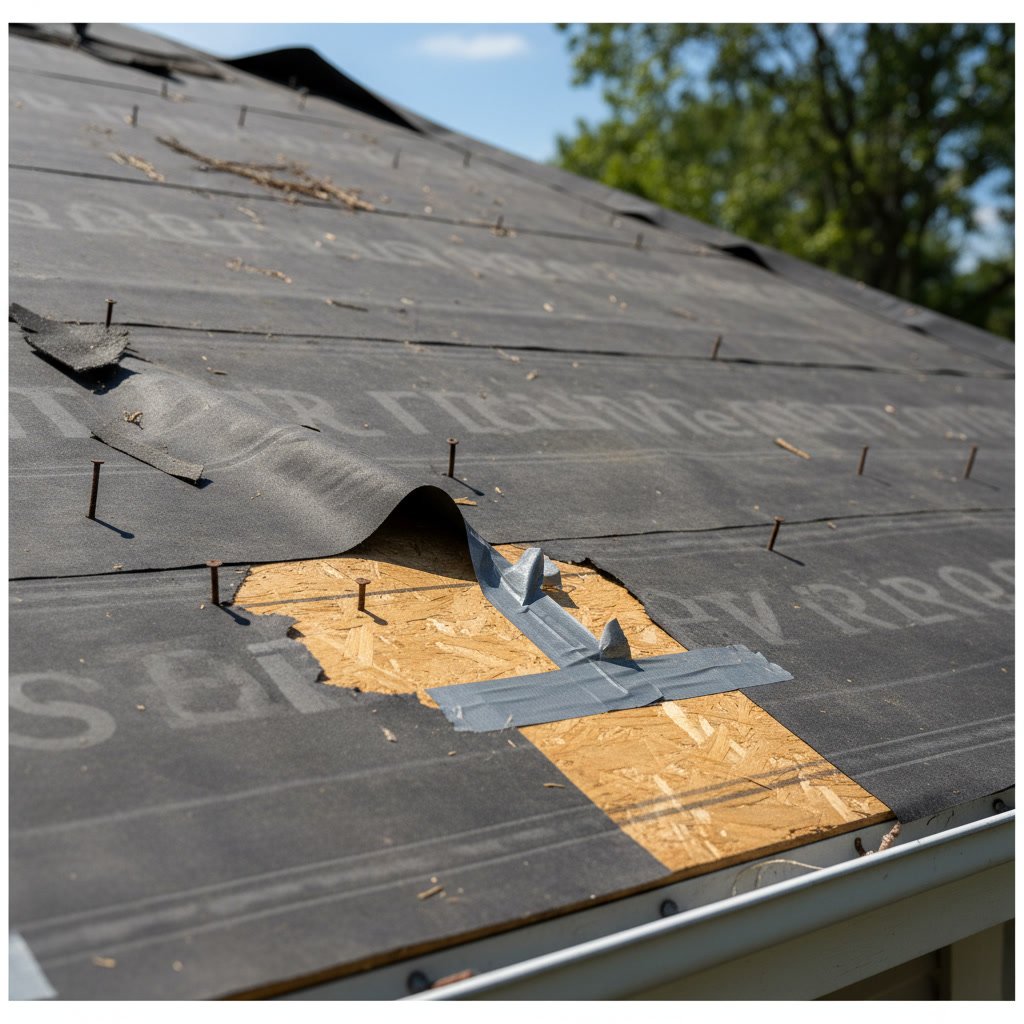
Another mistake is leaving underlayment exposed to sunlight for too long before covering it with shingles. Even synthetic products have UV exposure limits, typically ranging from 90 to 180 days. Prolonged exposure degrades the material and reduces its waterproofing ability. Installers should coordinate the job so that shingles follow underlayment installation within the recommended window.
Underlayment Compatibility With Different Roof Types
Asphalt shingle roofs pair well with both felt and synthetic underlayment, though synthetic is now the preferred choice for its durability. Metal roofing systems benefit from high-temperature synthetic products that resist the heat generated by metal panels, which can exceed 150 degrees Fahrenheit on a summer afternoon. Some manufacturers void warranties if incompatible underlayment is used, so checking product specifications before installation is essential.
Tile and slate roofs require underlayment that can handle the weight and movement of heavy materials. Rubberized membranes and heavy-duty synthetics are common choices. For homes with unique features like skylights, using proper underlayment around these elements is part of effective skylight maintenance and leak prevention.
Signs Your Underlayment May Be Failing
Water stains on ceilings or walls, especially after heavy rain, often indicate that underlayment has deteriorated or was never properly installed. Sagging or soft spots in the roof deck suggest moisture has penetrated the protective layers and begun to rot the wood. Visible mold or mildew in the attic points to ongoing moisture intrusion that the underlayment is no longer stopping.
If your roof is more than 15 years old and you notice any of these signs, a professional inspection can determine whether the underlayment has reached the end of its service life. In many cases, replacing the underlayment during a shingle replacement project adds minimal cost but dramatically improves long-term performance.
Protecting Your Investment From the Inside Out
Roof underlayment is one of the most important components of a complete roofing system, yet it often receives little attention because it is hidden from view. Choosing the right type, ensuring proper installation, and pairing it with quality shingles or metal panels creates a defense system that keeps your home dry, comfortable, and structurally sound for decades.
Understanding how this protective layer works helps you make informed decisions during new construction, reroofing projects, or repairs. When you invest in strong underlayment, you reduce the risk of costly water damage and extend the life of your entire roof.
Sky Metal Roofing LLC provides comprehensive roofing services throughout the New Braunfels area, including expert underlayment installation for both residential and commercial properties. Whether you need a full roof replacement or guidance on the best materials for your home, our licensed team delivers reliable solutions backed by years of experience. Reach out at +12104120026 to schedule an inspection and protect your home the right way.